(Publish from Houston Texas USA)
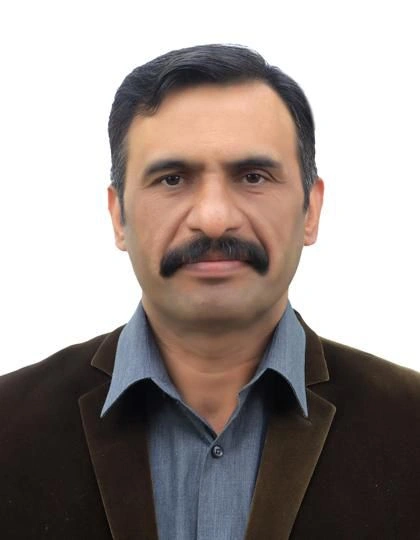
(Nazia Naz Defender and International Researcher)
Human rights research is not merely an academic exercise; it is a critical tool for shaping policies, strengthening institutions, and protecting human dignity. As a human rights researcher, my work lies at the intersection of field realities, legal frameworks, and international human rights commitments, with a strong focus on translating evidence into meaningful policy reform. In many developing contexts, including Pakistan, human rights challenges persist not due to the absence of laws but because of weak implementation, poor coordination among institutions, and limited accountability mechanisms.
Research plays a vital role in identifying these gaps by documenting violations, analysing systemic failures, and assessing whether state actions align with national laws and international conventions. My research approach is grounded in evidence-based analysis. Through fieldwork, case documentation, stakeholder consultations, and data collection, I aim to understand how policies affect people at the grassroots level, particularly women, children, minorities, and marginalized communities. Issues such as child marriage, gender-based violence, access to justice, enforced disappearances, and restrictions on civic space cannot be addressed effectively without listening to those directly affected.
A key dimension of my work involves aligning national practices with international human rights mechanisms, including UN treaty bodies and special procedures. Engagement with forums such as the UN Committee on the Rights of the Child (CRC), Geneva-based human rights platforms, and UN-linked initiatives has strengthened my understanding of reporting obligations, compliance standards, and the importance of credible data in international advocacy. These mechanisms provide not only accountability but also an opportunity for constructive dialogue and reform.
Another critical aspect of human rights research is its role in policy development and institutional reform. Research findings must go beyond reports and recommendations; they should inform decision-making processes at ministerial, parliamentary, and administrative levels. Whether addressing governance challenges, corruption, or service delivery gaps, human rights research helps policymakers design interventions that are inclusive, transparent, and people-centered.
Human rights research also contributes to international credibility. In the context of frameworks such as the EU GSP+ scheme, states are increasingly assessed not only on legislative commitments but on measurable implementation and impact. Independent research, civil society engagement, and transparent reporting are essential to demonstrate progress and address concerns related to freedom of expression, minority rights, Labor standards, and women’s empowerment.
Ultimately, the purpose of human rights research is to bridge the gap between law and lived reality. It demands intellectual rigor, ethical responsibility, and a deep commitment to justice. As a researcher, my goal is to contribute to a system where policies are informed by facts, institutions are guided by accountability, and human rights are treated not as abstract ideals, but as enforceable and lived guarantees for all.