(Publish from Houston Texas USA)
(Kainat Rajput)
Caracas, Venezuela – In a dramatic turn of events that has irrevocably altered the geopolitical landscape of South America, the United States military, in a swift and decisive operation on January 3, 2026, successfully apprehended and removed President Nicolas Maduro and his wife, Cilia Flores, from power. This monumental action, the culmination of months of escalating diplomatic pressure and strategic maneuvers, has been widely interpreted as a critical intervention aimed at resolving the protracted crisis that has gripped Venezuela for years. For many, this marks not just the end of an era but the dawn of a new, albeit uncertain, chapter for the beleaguered nation.
The justification for this unprecedented U.S. intervention was multifaceted, primarily centering on the assertion of Maduro’s illegitimate rule and his indictment on severe drug trafficking charges by U.S. authorities.
The U.S. administration consistently portrayed Venezuela under Maduro as a destabilizing force in the region, a significant contributor to mass migration, and a hub for illicit activities. The operation itself was meticulously planned, culminating in Maduro’s arraignment in a U.S. court on federal drug trafficking and other related charges, a move that underscores the legal basis the U.S. sought to establish for its actions.
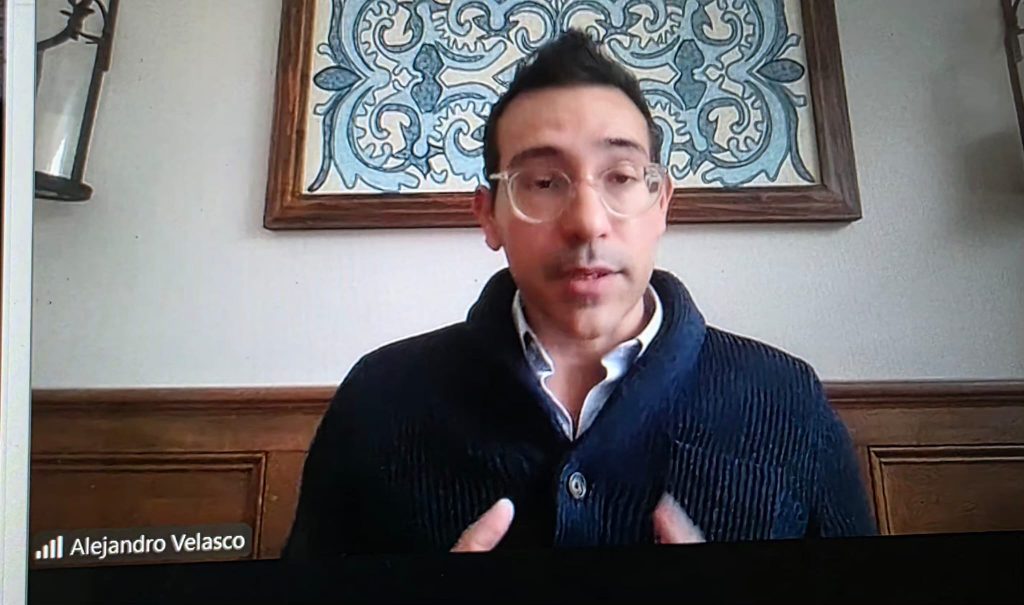
During the ACoM National briefing held on January 9, 2026, experts weighed in on the complex aftermath of this military action. Alejandro Velasco, a distinguished historian at New York University, offered crucial insights into the Venezuelan populace’s immediate reactions. He noted a prevailing sentiment of anxiety and confusion, but also acautious expectation that things might finally change.
Velasco highlighted that while Maduro himself was removed, the underlying regime structure, including powerful figures like Delcy Rodriguez (now acting Vice President) and Diosdado Cabello (Interior Minister), largely remains in place. However, he also pointed to the positive development of political prisoners being released, suggesting a potential for gradual reform within the existing framework.
This nuanced perspective indicates that while a complete overhaul might not be immediate, the removal of Maduro could still catalyze significant internal shifts.
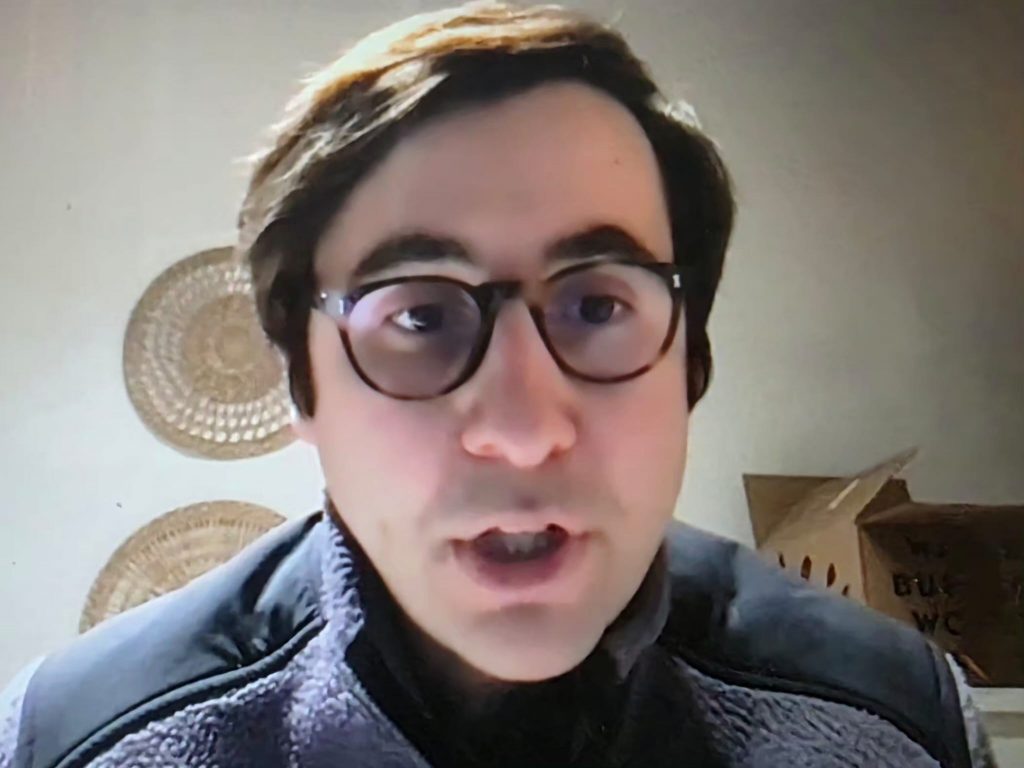
Mariano de Alba, a Venezuelan lawyer specializing in geopolitics and international law, provided a legal framework for understanding the U.S. action. While acknowledging the U.S. justification based on Maduro’s illegitimacy and drug trafficking indictments, de Alba’s analysis in the briefing underscored the international legal complexities.
He noted that the U.S. framed its intervention partly due to Venezuela being a source of migrants and criminals, thereby linking national security concerns to the humanitarian crisis. Despite concerns about the violation of international law, the successful apprehension of Maduro and his subsequent arraignment in U.S. courts for drug trafficking charges, rather than the International Criminal Court, reinforces the U.S. narrative of addressing a criminal enterprise rather than merely a political regime. This legal pursuit, for many, validates the necessity of the intervention, positioning it as a decisive blow against narco-terrorism.
The economic dimension of Venezuela’s future was a key focus, particularly with insights from Roxanna Vigil, an International Affairs Fellow at the Council on Foreign Relations. Vigil emphasized that the Trump administration’s primary focus in Venezuela appears to be on its vast oil resources, rather than solely on promoting democracy.
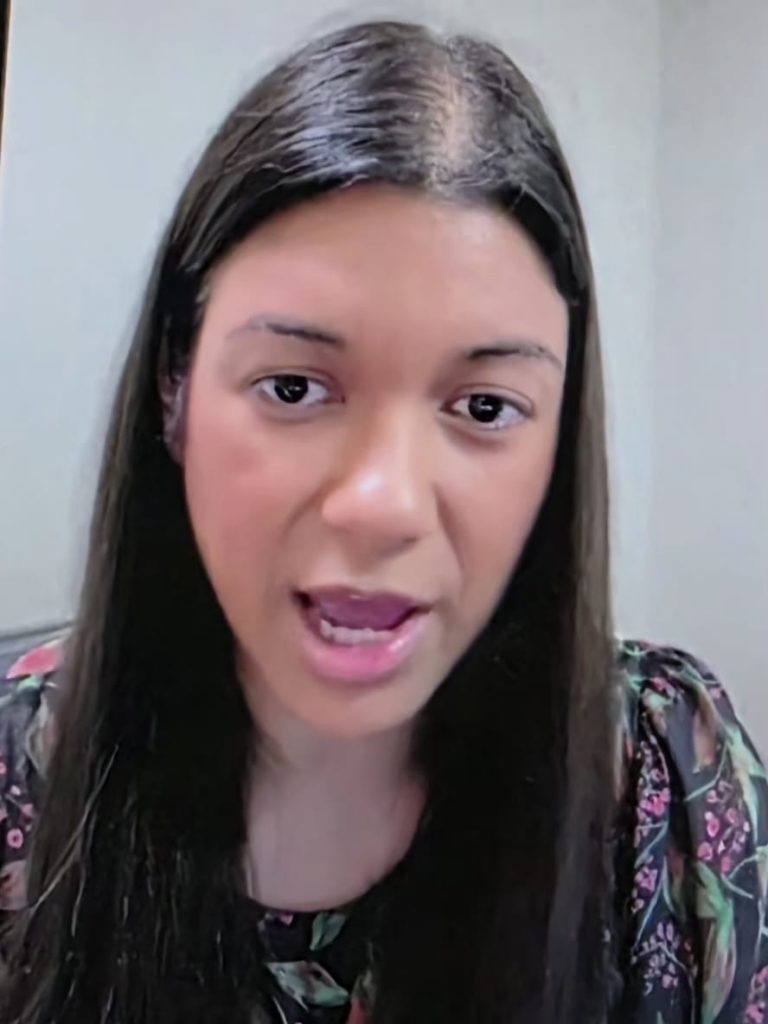
While this perspective might seem cynical to some, it presents a pragmatic pathway for Venezuela’s economic recovery. Venezuela, despite its political turmoil, possesses immense oil wealth, producing approximately 900,000 barrels per day.
Vigil’s analysis suggested that rebuilding this sector would require a massive investment, potentially upwards of $100 billion, along with significant institutional changes.
However, the removal of Maduro could unlock the potential for this investment, attracting international partners willing to contribute to the revitalization of Venezuela’s energy infrastructure. This economic injection, coupled with the potential for more transparent governance post-Maduro, could provide the much-needed capital to stabilize the country and improve the living conditions of its citizens.
The release of political prisoners, as noted by Velasco, is a tangible sign of potential progress. This move could foster a more conciliatory environment, encourage dialogue and pave the way for broader political reforms. The regime, even with key figures remaining, might find it advantageous to negotiate with the U.S. for economic recovery, potentially gaining political capital and legitimacy in the process. This strategic negotiation could lead to a gradual opening of the political space, allowing for greater participation and a more inclusive future for Venezuela.
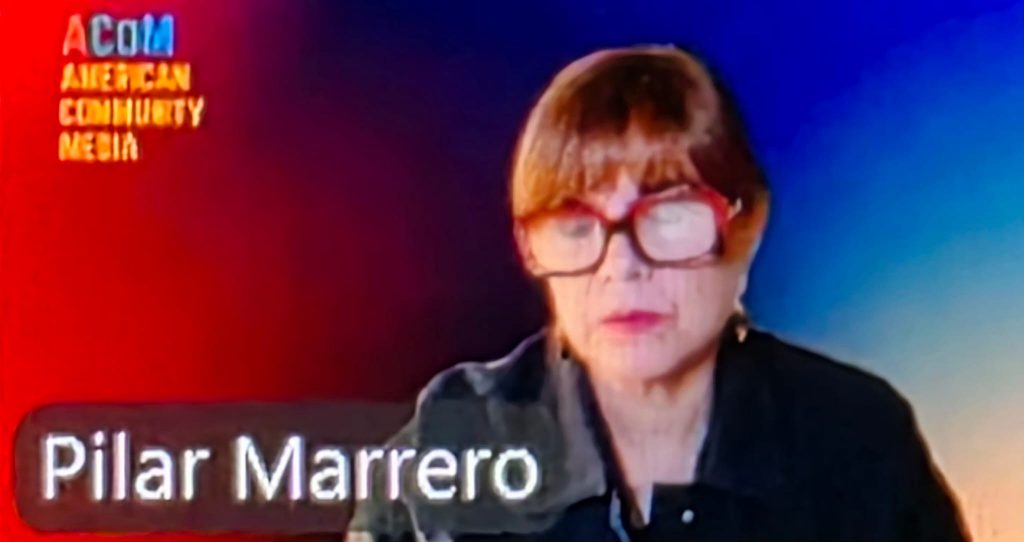
However, the path forward is not without its complexities. The ACoM briefing highlighted that despite Maduro’s physical removal, the underlying institutional state apparatus remains largely intact, with key figures from the former regime, such as Delcy Rodriguez (now acting president) and Diosdado Cabello, retaining significant influence. This continuity of power structures presents a considerable challenge to any genuine democratic transition, raising questions about the depth and sincerity of future reforms.
The presence of complex sanctions, coupled with a naval blockade enforcing these measures, further complicates the economic recovery efforts, making it unclear how the proceeds from future oil sales will be managed and distributed for the benefit of the Venezuelan people. The panellists, including Vigil, expressed scepticism about whether Trump’s oil-focused approach would succeed without a genuine democratic transition and institutional reforms, underscoring the need for a holistic strategy that balances economic interests with political development.
Despite these challenges, the U.S. intervention has undeniably created a new dynamic. The international community, now faced with a post-Maduro Venezuela, has a critical role to play in supporting the country’s transition towards stability. This includes not only economic aid and investment but also diplomatic efforts to ensure inclusive governance and the establishment of robust democratic institutions. The success of this new chapter will hinge on a concerted effort to address both the immediate humanitarian needs and the long-term structural issues that have plagued Venezuela for so long.
The removal of Maduro, while a contentious act with implications for international law, has opened a window of opportunity that was previously unimaginable. The cautious optimism among Venezuelans, coupled with the potential for economic reconstruction, offers a glimmer of hope. The world watches now to see if this intervention will indeed lead to a lasting peace and prosperity for Venezuela, or if it will merely usher in a new set of challenges. The coming months will be crucial in determining the true legacy of this historic military action.