
(Publish from Houston Texas USA)
(Asim Siddiqui Washington D.C)
Pakistan is once again signaling a desire to reshape its relationship with the United States this time by placing economic cooperation ahead of long-standing security-centric ties.
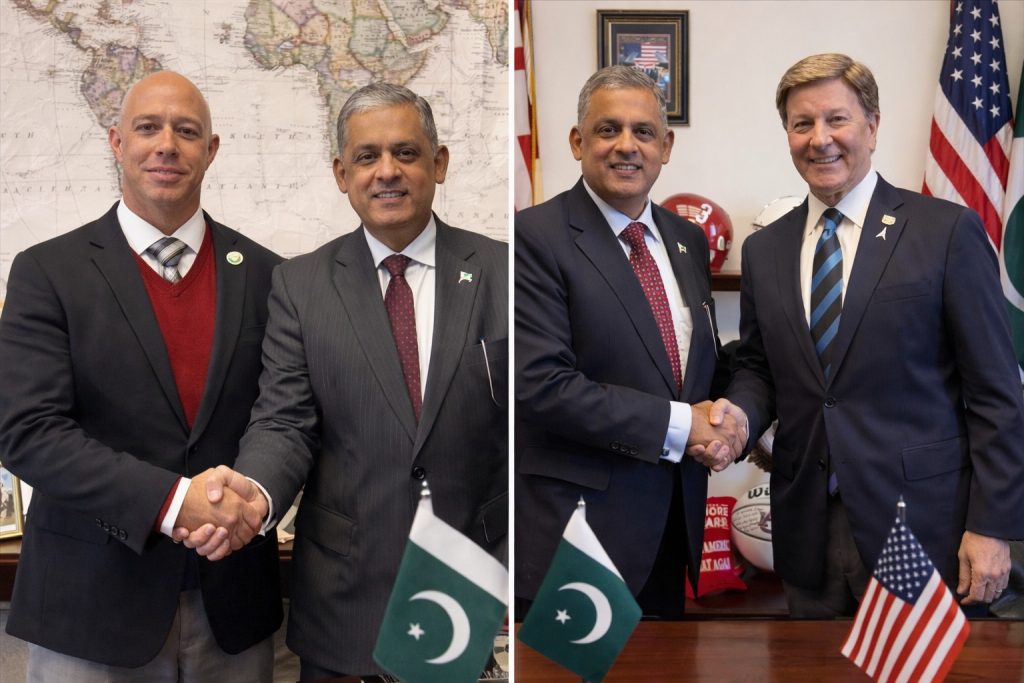
In recent meetings on Capitol Hill, Pakistan’s Ambassador to the United States, Rizwan Saeed Sheikh, urged the launch of a high-level economic dialogue and described 2026 as a “year of action” for translating diplomatic intent into concrete outcomes. The message was clear: Islamabad wants Washington to view Pakistan less through a geopolitical lens and more as a potential economic partner.
The proposal reflects a broader reality. The era in which U.S–Pakistan relations were defined primarily by security cooperation has yielded limited long-term benefits for either side. Trade, investment, and technological collaboration remain underdeveloped despite decades of engagement.
Pakistan’s call for institutionalized cooperation in sectors such as energy, minerals, information technology, and artificial intelligence aligns with shifting global priorities. As supply chains diversify and emerging markets seek investment, economic diplomacy has become a central instrument of influence.
Whether Washington is prepared to respond remains uncertain. Any deeper economic partnership will depend on Pakistan’s ability to address governance, transparency, and regulatory challenges that have historically constrained investor confidence.
Still, the shift in tone matters. Moving from episodic, crisis-driven engagement toward structured economic dialogue could offer a more stable foundation for the relationship if both sides are willing to move beyond past patterns.