
John Quincy Adams: The Diplomat President
The son of John Adams, second President of the United States, John Quincy Adams was the sixth President of the United States and also one of the towering intellectual figures in American history.
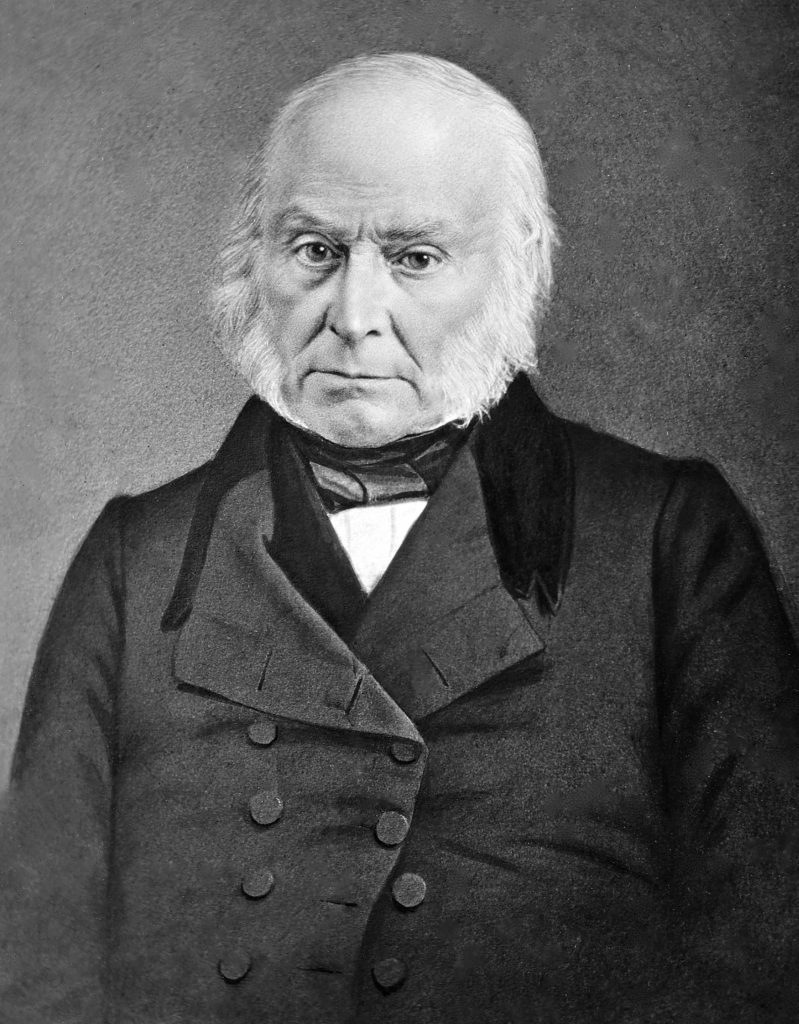
He was born on July 11, 1767, in Braintree (now Quincy), Massachusetts. In his early life, John Quincy got involved in diplomacy and public service when he accompanied his father to Europe on diplomatic missions, which provided him with an unparalleled education in international affairs.
OnJuly 26, 1797, Adams married Louisa Catherine Johnson, the First Lady, who was born outside the United States. Their marriage, however, eventually ended with four children. John Quincy Adams, throughout his political career, was closely linked with his native state, Massachusettsand served as aSenator and Secretary of State before ascending to the presidency.
His short presidency (March 4, 1825, to March 4, 1829) was marked by a commitment to the development of the country and a vision for a more unified America. He only served one term. The process of his election was quite controversial; it was a contingent election in the House of Representatives after no candidate was able to secure a majority of electoral votes in 1824. His opponents called this result a “corrupt bargain, ” and cast a shadow over his presidency.
| Detail | Information |
|---|---|
| Name | John Quincy Adams |
| Spouse Name | Louisa Catherine Johnson |
| Birth Place | Braintree (now Quincy), Massachusetts |
| State Run For Presidency | Massachusetts |
| Time in Office | 4 years (1825-1829) |
| Terms | 1 term |
| Party | Democratic-Republican (later National Republican/Whig) |
| Age at Death | 80 (1767-1848) |
Adams was a member of the Democratic-Republican Party. As soon as his political beliefs changed, he came to represent the National Republican faction and, subsequently, the Whig Party, advocating for a strong federal government and domestic improvements.
Even though Adams was brilliant with extensive experience, he had a hard time winning over the people. He had come up with some very ambitious plans for the development of the infrastructure, a national university, and scientific research. However, many of the projects he proposed were opposed very strongly by Congress.
Adams’ presidency had political disputes among the ministers and the growth of Jacksonian democracy, which ultimately led to his defeat in the 1828 election.
At the age of 80 years, John Quincy Adams left the world on February 23, 1848. He suffered a stroke on the floor of the House of Representatives, where he was a member after his presidency, and died shortly thereafter. His work in Congress after his presidency, where he became a staunch abolitionist often considered more impactful than his time in the White House.