

(Publish from Houston Texas USA)
(By Mian Iftikhar Ahmed)
From the 1979 Iranian Revolution to Regional Proxy Rivalries: The Historical Roots of U.S.–Iran Hostility
The ongoing tension between the United States and Iran is far from a new development; it has deep roots extending back several decades, reaching as far as the 1979 Iranian Revolution. When the Shah of Iran was overthrown and the Islamic Republic of Iran emerged, the new government adopted an anti-Western policy that drastically deteriorated relations with the United States. Iran’s regional strategy included support for Hezbollah in Lebanon and Shia factions in Iraq and Syria, which the U.S. and its allies perceived as a growing threat to the stability of the Middle East.
In 2015, Iran and global powers reached a nuclear agreement, in which Iran pledged to limit its nuclear program under strict international monitoring. In return, economic sanctions were eased, providing temporary relief to Tehran. However, in 2018, the United States unilaterally withdrew from the agreement, re-imposing harsh sanctions. This action reignited hostilities and heightened tensions across the region.
In the years that followed, multiple incidents fueled the ongoing standoff. Attacks on oil tankers in international waters, rocket strikes on U.S. bases in Iraq, and the 2025 drone strike that killed Iranian General Qassem Soleimani further escalated tensions. Iran retaliated with missile strikes, yet these actions did not escalate into full-scale warfare at the time.
By 2024–2025, several factors contributed to intensifying the crisis: Iran accelerated its nuclear program and uranium enrichment, proxy groups in Gulf states became more active, and shadow conflicts with Israel increased regional instability. Threats to energy supply routes in the Middle East and persistent economic sanctions compounded the situation.
The tipping point arrived on February 28, 2026, when the United States and Israel launched large-scale military operations against Iran. Some sources referred to the campaign as “Operation Lion’s Roar.” The strikes targeted Iranian defense and military installations, missile programs, and nuclear facilities. In response, Iran declared it would retaliate strategically, marking the start of a broader regional confrontation.
Iran employed ballistic and hypersonic missile capabilities, targeting U.S. military installations across the Gulf, including Al Udeid Air Base in Qatar, Ali Al-Salem Air Base in Kuwait, Al Dhafra Air Base in the UAE, and the U.S. Navy Fifth Fleet headquarters in Bahrain. Simultaneously, northern Israel faced missile attacks, prompting air raid sirens and audible explosions. Iran’s retaliatory campaign, named “Operation Truthful Promise 4,” signaled that the conflict was no longer simply bilateral but could engulf the entire region.
The U.S. and Israel activated defense systems, including the Iron Dome, David’s Sling, and Arrow missile systems. Nevertheless, simultaneous missile launches stressed these networks, and some missiles fell near civilian areas, intensifying the crisis. Iranian officials emphasized that operations like “Fath-e-Khyber” would continue until enemy forces were decisively defeated. They also stressed that Iran would defend itself to the ultimate limit, as adversaries had approached with similarly final-strike intentions.
Meanwhile, multiple Gulf states temporarily closed airspaces, issued alerts, and moved civilians to safe zones. China and Russia expressed grave concern, warning against actions that could destabilize global energy supplies and economic balance. Political, economic, and military analysts worldwide highlighted that any direct attack on an aircraft carrier or a miscalculated response could trigger a global conflict.
The initial military confrontation did not result in confirmed large-scale casualties or catastrophic infrastructure damage, but visuals of explosions, smoke, and missile interceptions illustrated the intensity of the attacks. Both sides engaged in targeted strikes based on strategic importance: U.S. and Israeli forces focused on Iran’s nuclear and defense infrastructure, while Iran struck U.S. bases and allied installations in the Gulf and Israel.
Iran’s use of hypersonic and ballistic missiles challenged conventional interceptor systems, demonstrating that traditional defense networks were not fully capable of handling simultaneous attacks. Both sides’ military operations created uncertainty in regional security, energy supply, the global economy, and diplomatic equilibrium. Iran warned it would continue to respond to any aggression, while the U.S. and Israel fortified defenses and reassured their allies.
In the context of this escalating standoff, the potential for miscalculation or accidental conflict is high. Experts emphasize that the combination of powerful missile capabilities, multi-theater operations, and regional political tensions makes this one of the most dangerous confrontations in decades. The challenge is not only military but also economic and humanitarian, as disruptions to energy markets and civilian infrastructure could have widespread consequences.
Timeline of Attacks, Damage Assessment, and Defense Systems Performance
The ongoing military confrontation between Iran and the United States and Israel has unfolded in a sequence of rapid operations, each escalating regional tensions and challenging the capabilities of existing defense systems. The events can be summarized in a detailed timeline, focusing on the nature of the attacks, targeted locations, defensive responses, and initial assessments of damage.
On the morning of February 28, 2026, U.S. and Israeli forces launched coordinated air and missile strikes targeting Iranian military and nuclear facilities. The primary objectives were Iran’s ballistic and hypersonic missile installations, radar units, and nuclear research and enrichment sites. Multiple drones, long-range missiles, and airpower were deployed to simultaneously strike Tehran, Isfahan, Qom, Tabriz, and Karaj. Explosions were reported in these cities, and Iran immediately activated air defense alerts. Iranian civil and military authorities placed several regions under defensive alert to prepare for retaliatory strikes.
By the afternoon of the same day, Iran began a counter-offensive using ballistic and cruise missiles. The retaliatory campaign, named “Operation Truthful Promise 4,” specifically targeted U.S. military bases and allied installations in the Gulf region. Key targets included the U.S. Navy Fifth Fleet headquarters in Bahrain, Al Udeid Air Base in Qatar, Ali Al-Salem Air Base in Kuwait, and Al Dhafra Air Base in the UAE. Simultaneously, Iran launched multiple ballistic missile attacks toward northern Israel, triggering air raid sirens and compelling the Israeli population to take shelter.
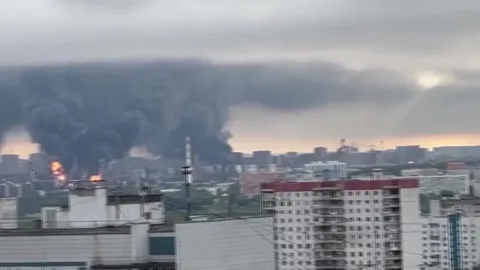
Several Gulf states responded by temporarily closing their airspaces and suspending commercial flights. Civilian populations near military installations were evacuated or moved to safe locations. Defensive networks in these countries were activated to intercept incoming missiles and mitigate potential damage. Social media and regional media outlets released videos showing missile intercepts, explosions, and smoke rising from affected areas. These images, although not independently verified, illustrated the scale and intensity of the conflict.
Assessing the performance of defensive systems reveals a mixed picture. Israeli systems, including the Iron Dome, David’s Sling, and Arrow, successfully intercepted multiple incoming missiles; however, simultaneous volleys stressed the networks, and some missiles fell near civilian areas. Iran’s use of hypersonic missiles added complexity, as these weapons are designed to evade conventional interception systems, forcing Israel and U.S. forces to rely on layered defensive strategies that may not be entirely effective.
Iranian missile strikes in the Gulf region reportedly hit several key military assets, but early reports suggest that some missiles were intercepted while others fell harmlessly into open waters. Despite this, the psychological impact on military personnel and local populations is considerable. Civilian areas in Israel, particularly in the northern regions, experienced sirens, panic, and audible explosions, highlighting the vulnerability of urban centers to missile strikes.
The sequence of attacks also underscores the strategic approach of both sides. U.S. and Israeli forces focused on crippling Iran’s nuclear program and missile capabilities, aiming to limit Tehran’s ability to conduct retaliatory strikes. Iran, in turn, targeted U.S. bases and allied installations to demonstrate its capacity for a swift and decisive response, deterring further attacks and signaling that it would defend its sovereignty at all costs.
The interplay between offensive and defensive operations in this confrontation illustrates the limitations of current missile defense technology. While interception systems can handle individual threats, simultaneous multi-directional attacks, particularly using hypersonic and advanced cruise missiles, challenge the reliability of these networks. Experts note that no country currently possesses a fully foolproof system against hypersonic threats, making regional stability precarious.
Economically and politically, these operations have already generated significant concerns. The uncertainty surrounding missile strikes near critical oil shipping lanes in the Persian Gulf, especially the Strait of Hormuz, has elevated global energy prices. Military alerts and the potential for collateral damage in urban areas have heightened fears of civilian casualties and infrastructure destruction. Regional powers and international observers are closely monitoring these developments, aware that even a small miscalculation could trigger a broader confrontation.
Preliminary damage reports indicate disruptions in operational readiness rather than catastrophic destruction. In Iran, air strikes caused localized fires, smoke, and minor structural damage at key military installations. In Israel, missile intercepts prevented large-scale destruction, though some proximity impacts were reported. In the Gulf, U.S. bases remained largely operational, but the psychological effect on personnel and the stress on defense networks cannot be underestimated.
The nature of these engagements highlights a crucial shift in regional conflict dynamics. Missile technology, including hypersonic capabilities, and the integration of multi-layered air defense systems have transformed traditional warfare. The simultaneous use of offensive and defensive measures, combined with rapid response protocols, exemplifies the modern challenges of military strategy in high-stakes environments.
Overall, the initial sequence of attacks and counterattacks emphasizes the fragility of regional security and the limited buffer against escalation. Both sides have demonstrated restraint to avoid catastrophic civilian casualties, but the intensity of strikes, psychological pressure, and economic disruptions suggest that any continuation of this conflict could have broader implications. Global powers and regional actors, including Pakistan, China, and Russia, are monitoring developments to prevent a spillover into a wider war, particularly considering the strategic importance of energy routes and the reliance of global markets on Gulf stability.
The first day of operations, February 28, 2026, set a precedent for modern multi-theater warfare, combining aerial bombardments, missile exchanges, and defensive countermeasures in real time. Analysts note that while physical destruction may be limited at present, the political, economic, and psychological ramifications are significant, influencing regional policy decisions and global diplomatic strategies.
Economic Effects, Energy Markets, and Humanitarian Impact
The escalating military confrontation between Iran and the United States and Israel has produced consequences that extend far beyond immediate battlefield dynamics. The conflict’s impact on economic stability, global energy supply, and humanitarian conditions in the region is increasingly visible, with analysts warning of potential long-term disruptions if hostilities continue.
Iran’s missile strikes on U.S. military bases in the Gulf, including Bahrain’s Fifth Fleet headquarters, Qatar’s Al Udeid Air Base, Kuwait’s Ali Al-Salem Air Base, and UAE’s Al Dhafra Air Base, along with attacks on northern Israel, have triggered significant economic and strategic ripple effects. These attacks, combined with U.S.-Israeli airstrikes on Iranian nuclear and missile facilities in Tehran, Isfahan, Qom, Tabriz, and Karaj, have created a climate of uncertainty that directly affects regional trade, oil transport, and investment flows.
One of the most immediate economic concerns arises from the Persian Gulf’s status as a critical global energy corridor. The Strait of Hormuz, through which approximately 20 percent of global oil exports pass, has been placed under extreme strategic pressure. Iranian forces, by demonstrating the ability to threaten shipping lanes with missile strikes or naval operations, have heightened the perceived risk to international energy markets. This has caused global crude prices to spike dramatically, affecting energy-dependent economies worldwide, particularly in developing nations like Pakistan, which are already facing inflationary pressures and balance-of-payments challenges.
The threat to energy infrastructure is compounded by disruptions to regional logistics, including temporary closures of ports, airports, and airspaces. Commercial shipping and passenger flights have been suspended or rerouted, creating bottlenecks in trade and impacting global supply chains. Multinational corporations with operations in the Gulf have instituted contingency measures, increasing operational costs and reducing efficiency. Global insurers are also adjusting risk premiums for shipments through the Gulf, further increasing trade costs.
The human dimension of the crisis is equally alarming. Civilian populations in Iran, Israel, and the Gulf states face increased exposure to missile attacks and collateral damage. In Israel, the Iron Dome, David’s Sling, and Arrow systems intercepted numerous missiles, but sirens and blasts caused widespread panic in northern cities. Civilians were compelled to evacuate or seek shelter, disrupting daily life and essential services. In Iran, airstrikes led to fires, smoke, and partial damage to military infrastructure within urban areas, potentially affecting power grids, healthcare facilities, and water supply networks. Local authorities have issued safety alerts and deployed emergency response teams, though the full scale of civilian impact remains unclear.
Regional humanitarian agencies have expressed concern over a potential refugee crisis. Populations near conflict zones in Iran and the Gulf could be displaced, adding pressure to neighboring countries like Pakistan. Any significant influx of refugees would strain housing, healthcare, and social services, particularly in countries already dealing with economic challenges and population pressures. Humanitarian organizations are preparing contingency plans to address possible displacement, food insecurity, and medical needs.
The financial impact extends to global markets as well. Energy price volatility, disrupted shipping routes, and reduced investor confidence could depress stock markets and hinder trade. Analysts note that prolonged hostilities may prompt central banks to adjust monetary policies in response to inflationary pressures linked to rising oil and commodity prices. Additionally, supply chains for high-tech goods, particularly those relying on rare earth minerals, could be disrupted if China implements measures in support of Iran, as suggested in previous warnings. China’s position as a key supplier of rare minerals used in advanced military and electronic systems means that global defense production, aerospace, and electronics sectors could experience shortages, price surges, and operational delays.
The risk of secondary economic shocks is also significant. Gulf countries, particularly those hosting U.S. military installations, face the dual challenge of safeguarding civilian populations while maintaining economic continuity. Temporary airport closures, commercial shipping delays, and heightened security protocols have already affected airline schedules, port operations, and regional commerce. Insurance costs for logistics and commercial ventures in the region have increased, and the uncertainty surrounding military escalation has created investor hesitancy, potentially stalling foreign direct investment in energy, infrastructure, and technology projects.
Humanitarian concerns extend to the disruption of essential services. In urban areas impacted by airstrikes and missile attacks, electricity and water supply networks are at risk. Healthcare facilities may become overwhelmed if casualty numbers rise, and access to food, medicine, and emergency services could be temporarily limited. International organizations, including the United Nations, have issued advisories urging precautionary measures and diplomatic interventions to prevent escalation.
Economic and human risks are further magnified by the potential for miscalculation or accidental escalation. The use of hypersonic and advanced ballistic missiles by Iran has challenged traditional interception capabilities, raising the stakes for unintentional destruction of civilian infrastructure or accidental engagement of commercial shipping. Both sides have mobilized additional defensive measures, including missile defense radars, early warning systems, and emergency response units, but the limitations of these systems remain a concern for military analysts.
The combined effects of military action, energy market disruption, and humanitarian risk indicate a complex regional crisis. Iran’s capacity to target critical military and economic assets, coupled with U.S. and Israeli defensive and offensive capabilities, creates a delicate balance. Any misstep could exacerbate economic instability, trigger further displacement of populations, and expand the conflict into neighboring regions.
Regional actors, including Pakistan, Saudi Arabia, and Turkey, are closely monitoring developments to mitigate economic and humanitarian fallout. Pakistan, in particular, must balance its traditional diplomatic ties with the U.S. and its geographical and trade links with Iran, maintaining a cautious approach to prevent escalation within its borders. Saudi Arabia and other Gulf states are strengthening civil defense measures, ensuring energy security, and coordinating with international partners to minimize disruption to trade and daily life.
The international community is actively involved in monitoring energy markets, providing humanitarian assistance, and supporting diplomatic channels. China and Russia have signaled their willingness to impose economic countermeasures if Iran is attacked, which could further disrupt global trade in rare earth metals, critical components for advanced weaponry, electronics, and aerospace technologies. European nations are advocating restraint, emphasizing dialogue over military escalation, and urging all parties to prevent civilian harm and economic collapse.
Overall, the economic and humanitarian dimensions of this conflict are intertwined with military operations. Missile strikes, airstrikes, and defensive countermeasures have created immediate disruptions, while the potential for prolonged hostilities threatens to destabilize energy markets, regional economies, and civilian life. The unfolding scenario underscores the importance of diplomatic intervention, robust humanitarian planning, and international cooperation to contain risks and prevent escalation into a wider regional or global crisis.
In summary, the combination of military, economic, and humanitarian pressures reveals that this confrontation is not merely a localized military conflict but a multi-dimensional crisis affecting global trade, energy supply, civilian populations, and regional stability. The stakes are high, and the window for effective diplomatic intervention remains limited, highlighting the urgent need for measured, coordinated, and proactive efforts to prevent further escalation.
Regional and Global Diplomatic Positions, Pakistan’s Role, and Mediation Efforts
The ongoing confrontation between Iran and the United States and Israel has not only destabilized the immediate conflict zone but also prompted an intense diplomatic response across the globe. Key regional actors, including Pakistan, Saudi Arabia, the United Arab Emirates, Qatar, and Turkey, alongside global powers such as China, Russia, and European nations, are actively engaged in assessing the situation and attempting to prevent further escalation. The diplomatic landscape is marked by cautious maneuvers, public statements, and behind-the-scenes negotiations aimed at containing the conflict while safeguarding strategic interests.
Pakistan’s position is particularly sensitive due to its historical and geographical proximity to Iran and its complex ties with the United States. Islamabad has emphasized restraint, neutrality, and the pursuit of dialogue to de-escalate tensions. Pakistani authorities have reportedly instructed diplomats to closely monitor developments and remain prepared for contingencies. The Ministry of Defence and Ministry of Foreign Affairs have activated alert protocols for border security, critical infrastructure, and sensitive installations. Pakistan’s media outlets highlight the government’s commitment to peace and stability, noting that Islamabad seeks to maintain a balance between its longstanding alliance with the United States and its regional economic and trade relations with Iran. Analysts suggest that Pakistan’s measured approach aims to prevent involvement in a regional conflagration while positioning itself as a potential mediator if opportunities arise.
Saudi Arabia and other Gulf Cooperation Council (GCC) countries have also adopted a cautious stance. While traditionally supportive of U.S. strategic objectives, these states are now recalibrating their policies in light of Iran’s missile capabilities and demonstrated reach. Authorities in Qatar, Bahrain, the UAE, and Kuwait have implemented temporary airspace closures, elevated civil defense alerts, and relocated civilians from sensitive areas near U.S. military bases. Ports and airports have increased security protocols, and commercial shipping has been rerouted to minimize exposure to potential attacks. These measures underscore a recognition of the heightened vulnerability posed by missile and drone strikes, as well as the potential for escalation into wider regional conflict.
China and Russia have issued unequivocal warnings against unilateral U.S. or Israeli action targeting Iran. China has specifically threatened to restrict exports of rare earth minerals and other critical resources essential for defense, electronics, and aerospace industries. Given China’s dominant position in global supply chains for these materials, any such restrictions could disrupt international defense production, technology manufacturing, and energy infrastructure projects. Russia has emphasized its willingness to increase military and economic support for Iran in the event of continued aggression, signaling its commitment to maintaining a strategic balance in the region. Both nations are also actively pressing for diplomatic dialogue to prevent the conflict from escalating beyond regional boundaries.
European powers have called for restraint from all sides, emphasizing the need for negotiation, humanitarian protection, and the safeguarding of global energy supplies. The European Union has stressed that military escalation could destabilize the region further, disrupt trade routes, and trigger an energy crisis affecting not only the Middle East but also Europe and Asia. The United Nations has similarly urged restraint, advocating for immediate engagement between the parties and the mobilization of humanitarian support for affected populations. UN officials have highlighted the potential for displacement and infrastructure damage, calling on regional states to provide safe havens and facilitate relief efforts.
Diplomatic channels are increasingly active, with back-channel communications between the U.S., Israel, Iran, and key mediators such as China, Russia, and neutral regional states. These efforts aim to de-escalate tensions, prevent accidental conflict, and ensure that strategic miscalculations do not spiral into wider warfare. Analysts note that the current situation requires a delicate balance between military deterrence and diplomatic negotiation, as any misstep could trigger unintended escalation with global repercussions.
Pakistan’s role, while primarily focused on neutrality and humanitarian support, is closely observed by all parties. Islamabad’s diplomatic strategy seeks to prevent spillover effects from the conflict into Pakistan’s borders, maintain continuity of trade and energy routes, and preserve its international reputation as a stabilizing actor in the region. Pakistani policymakers are also attentive to potential refugee flows from Iran and the Gulf, planning contingencies to address possible humanitarian pressures. Military and civil authorities have coordinated emergency response measures, including temporary shelters, medical readiness, and civil defense drills, reflecting the seriousness with which the government views regional instability.
The humanitarian dimension remains a central concern for diplomats and international organizations. Iran’s missile strikes, U.S. and Israeli air campaigns, and heightened civil defense measures in the Gulf have disrupted civilian life and created conditions conducive to displacement, infrastructure damage, and interruptions in essential services such as electricity, water, and healthcare. United Nations agencies, non-governmental organizations, and regional humanitarian bodies are preparing contingency plans for relief and support. Coordination between affected states is essential to mitigate civilian casualties and ensure continuity of basic services.
Economic diplomacy is intertwined with the military crisis. China and Russia are leveraging their economic influence to deter further U.S. and Israeli aggression, while European nations advocate for de-escalation to stabilize energy and trade flows. GCC countries are balancing their support for international allies with the immediate need to protect civilian populations and maintain domestic stability. Multilateral efforts are emerging to safeguard oil shipments through the Strait of Hormuz and other critical maritime routes, preventing disruptions in global energy supply that could exacerbate economic instability worldwide.
Efforts to mediate and de-escalate the crisis include formal diplomatic engagement, indirect negotiations, and strategic signaling. Key issues include ensuring the safety of civilians, maintaining freedom of navigation, preserving economic stability, and preventing miscalculations that could trigger full-scale regional or global warfare. While the military situation remains tense, these diplomatic and economic interventions serve as vital mechanisms to reduce the immediate risk of escalation.
In conclusion, the regional and global diplomatic landscape is actively engaged in preventing the Iran-U.S.-Israel conflict from escalating into a broader war. Pakistan’s careful positioning, Gulf states’ precautionary measures, China and Russia’s strategic interventions, and European advocacy for negotiation collectively illustrate the complexity of the crisis. Diplomacy, economic signaling, and humanitarian preparation are currently central to managing the conflict, with the overarching goal of avoiding uncontrolled escalation while maintaining stability in energy, trade, and regional security. The delicate interplay of military capability, economic leverage, and diplomatic engagement underscores the need for measured, coordinated, and proactive efforts to prevent the conflict from expanding beyond the region.
Future Scenarios, U.S. Political Implications, Iran’s Stance, and Third World War Risks
The ongoing Iran-U.S.-Israel conflict presents an unpredictable set of future scenarios with significant implications for regional stability, global energy security, and international political dynamics. Iran has clearly communicated that it will act to the maximum extent necessary to ensure its survival and to counter any offensive action by the United States or Israel. The demonstrated capability of Iran’s ballistic and hypersonic missiles, which have reached targets in Israel and Gulf states, challenges conventional defensive systems and has already stressed Israel’s Iron Dome, David’s Sling, and Arrow networks. While these systems have successfully intercepted many incoming threats, multiple missiles have either evaded interception or impacted areas close to civilian populations, highlighting the limitations of existing defense measures.
The “Operation Fath al-Khyber” campaign, initiated by Iran, has demonstrated that Tehran is willing to conduct multi-pronged strikes targeting U.S. military bases, allied installations, and Israeli strategic locations. Missile strikes on the Fifth Fleet headquarters in Bahrain, Al-Udeid Air Base in Qatar, Ali Al-Salem Air Base in Kuwait, and Al Dhafra Air Base in the UAE have illustrated the operational reach of Iran’s forces. Simultaneous strikes on northern Israel triggered sirens and localized civilian alarms, underscoring the psychological and tactical impact of Iran’s missile capabilities. The continuation of these operations suggests that Iran intends to maintain pressure until strategic objectives are achieved or until it perceives a sufficient deterrence effect on the adversaries.
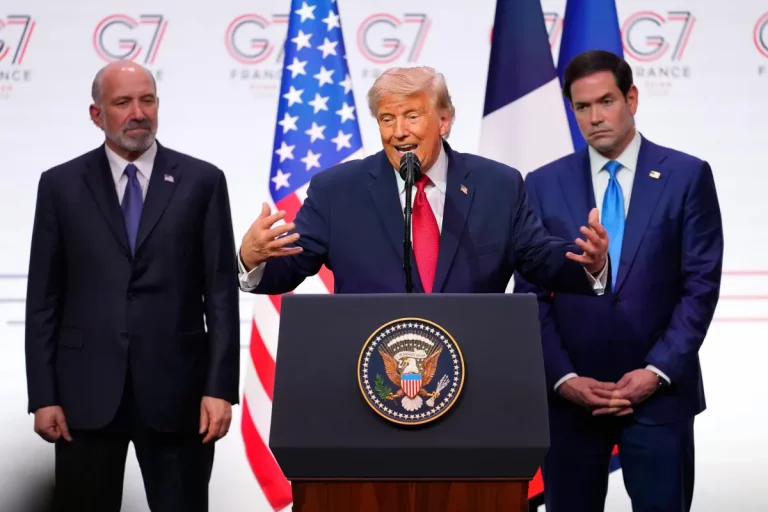
The political implications for the United States are substantial. Former President Donald Trump and the current administration are confronted with a military engagement that may be inherently unwinnable due to the asymmetric nature of Iran’s missile and regional proxy capabilities. Escalation risks extend beyond immediate battlefield dynamics, potentially affecting U.S. alliances in the Middle East and undermining credibility with Gulf partners who historically viewed the U.S. as a dominant security guarantor. Israel, while militarily advanced, is also constrained by civilian proximity and geographical limitations, making sustained open conflict politically and operationally challenging. The pressure on U.S. political leadership is compounded by domestic considerations, as voters and political factions increasingly scrutinize the feasibility, costs, and consequences of an extended military engagement.
China and Russia’s involvement has further complicated the geopolitical landscape. China’s potential restriction of rare earth minerals and strategic exports could impede U.S. defense production, affecting missiles, aircraft, electronics, and other high-tech systems. Russia’s willingness to expand military and economic collaboration with Iran adds a strategic counterbalance to U.S.-led operations. The combined effect of Chinese economic leverage and Russian military support underscores the potential for this regional conflict to generate global consequences, particularly if miscalculations occur or if Iran employs its full spectrum of advanced missile capabilities.
From a human and economic perspective, the continuation of this conflict threatens widespread disruption. Iran’s strikes in the Gulf have already impacted the flow of crude oil, pushing global prices higher and creating ripple effects in energy-dependent economies. Pakistan and other neighboring countries, already under economic strain, are vulnerable to both direct and indirect effects, including inflation, trade disruptions, and potential refugee influxes. Damage to infrastructure in Iran, the Gulf, and Israel, along with civilian displacement, exacerbates the humanitarian dimension, highlighting the urgent need for protective measures, civil preparedness, and potential international relief coordination.
The risk of escalation into a broader conflict, potentially a third world war, cannot be discounted. If Iran targets a U.S. aircraft carrier or employs a larger-scale nuclear or hypersonic strike, the consequences could extend far beyond the Middle East. Hypersonic missiles, against which there is currently no fully effective defense, have been demonstrated operationally by Iran, significantly increasing the strategic threat perception. Former CIA officer John Kiriakou has warned that any successful strike on a high-value U.S. naval or strategic asset could serve as a catalyst for global conflict, triggering responses from multiple military powers and alliances.
Internal regional complexities further heighten risks. Iranian concerns about Israeli-aligned Afghan elements, potential Taliban involvement along the Iran-Pakistan border, and sectarian dynamics add layers of uncertainty. Regional powers such as Pakistan and Turkey must carefully navigate their political and military positions to avoid entanglement while balancing national security, humanitarian responsibility, and diplomatic credibility. The external manipulation of conflicts within Islamic states has historically been a destabilizing factor, potentially widening the war front or enabling proxy interventions.
Overall, the conflict’s trajectory depends on multiple variables: Iran’s operational decisions, U.S. and Israeli strategic choices, regional state responses, and the interventions of global powers like China and Russia. Economic sanctions, control over energy supplies, and the potential disruption of global supply chains add additional dimensions that could either deter escalation or incentivize further confrontation. Diplomacy remains the critical tool for containing the crisis, as the costs of miscalculation or uncontrolled escalation could dwarf any immediate tactical gains for the belligerents.
The present situation underscores several key points: Iran’s military and missile capabilities are formidable and operationally proven; conventional defense systems, while effective in part, cannot fully neutralize multi-vector attacks; U.S. political credibility and military strategy are under strain; Israel faces significant operational constraints; and global economic and energy stability is closely linked to the outcome of this conflict. Any escalation involving aircraft carriers, nuclear-capable or hypersonic systems, or direct confrontation with China or Russia carries the potential to ignite a wider war with devastating consequences.
In conclusion, the ongoing Iran-U.S.-Israel conflict is a flashpoint with far-reaching regional and global implications. Strategic prudence, diplomacy, multilateral pressure, and careful crisis management are essential to prevent a localized war from becoming a global conflagration. All parties face the critical challenge of balancing military objectives, political survival, humanitarian considerations, and economic stability. Iran has shown its willingness to defend itself decisively, the U.S. and Israel remain committed to their operational goals, and other global actors are actively engaging to mitigate escalation. The situation highlights that while war may be tactically initiated, its strategic consequences could extend beyond control, making negotiation, mediation, and international diplomatic intervention the only viable paths to prevent catastrophic outcomes.
For more reading please visit our Articles.