(Publish from Houston Texas USA)
(By Mian Iftikhar Ahmad)
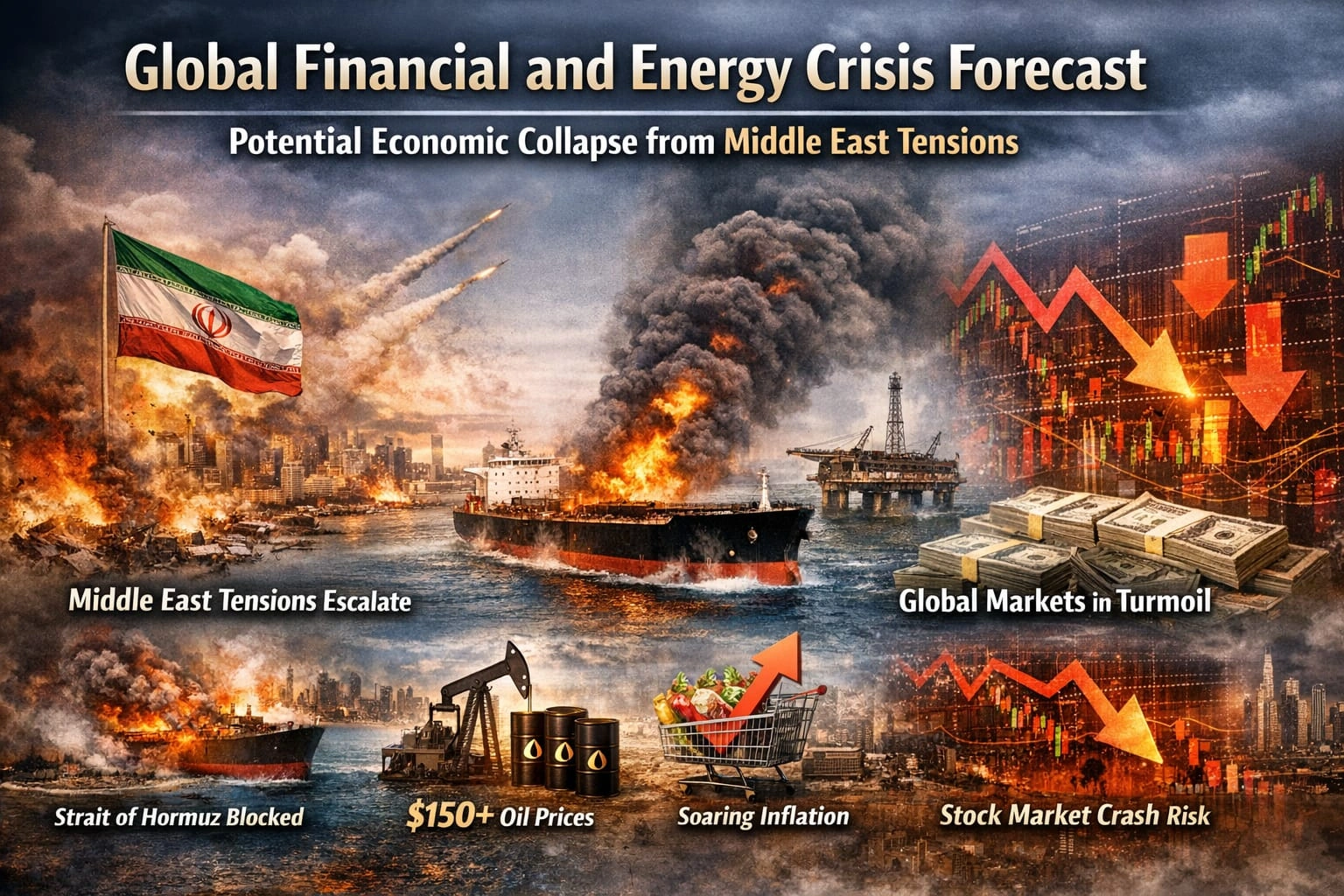
Strait of Hormuz risks, $150 oil fears, rising inflation, and growing volatility threaten global financial stability amid escalating Iran-Gulf tensions.
Rising tensions between Iran and other Gulf countries have created a significant risk of impact on global financial markets and energy prices. The situation is evolving not over weeks but in days. In response, Iran may target Dubai, Abu Dhabi, Qatar, and Saudi Arabia. Subsequently, all flights in the Middle East could be temporarily suspended. If Iran gains control over the Strait of Hormuz, the global oil supply will be affected and oil prices could rise above $150 per barrel. In this scenario, global inflation could jump from 2 percent to 8 percent. Central banks may raise interest rates on an emergency basis. Market liquidity could decrease, and technology company shares could face significant declines. Due to extreme volatility, margin calls may be triggered across exchanges, and there is a risk of widespread stock market crashes. Historical observations indicate that oil price surges have the greatest impact on inflation and stock markets, while total market liquidity collapse or a complete market crash is less likely. Global economic experts emphasize that international banking systems and investment sectors must prepare immediately to mitigate potential crises. The rapid increase in energy prices will also affect international trade balance and the supply of essential commodities. Considering economic and geopolitical factors, investors and government institutions need to take urgent measures to minimize the potential impact on global financial markets.
For more information please visit our International news.