
(Publish from Houston Texas USA)
Humor as an Antidote to Fear: A national Zoom discussion highlights how satire and comedy help communities process fear, uncertainty, and political tension.
National Zoom discussion highlights how satire and comedy help communities process fear and uncertainty.
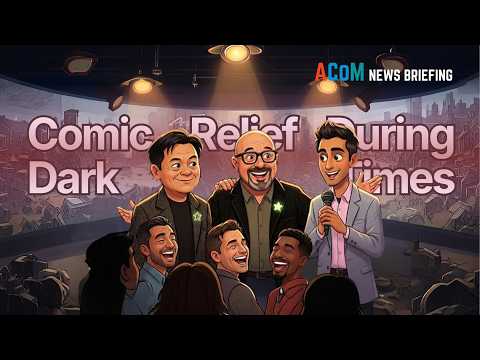
A national Zoom discussion titled “What Makes us Laugh in Dark Times, Humor as an Antidote to Fear” brought together prominent comedians and cultural voices to examine how humor and satire help people cope with fear, political tension, and uncertainty during challenging times.
The conversation featured comedians Emil Amok Guillermo, Herbert Siguenza, and South Asian comedian Samson Koletkar, and was moderated by journalist Pilar Marrero. Other participants in the discussion included media leaders and community voices who reflected on the evolving role of comedy in society.
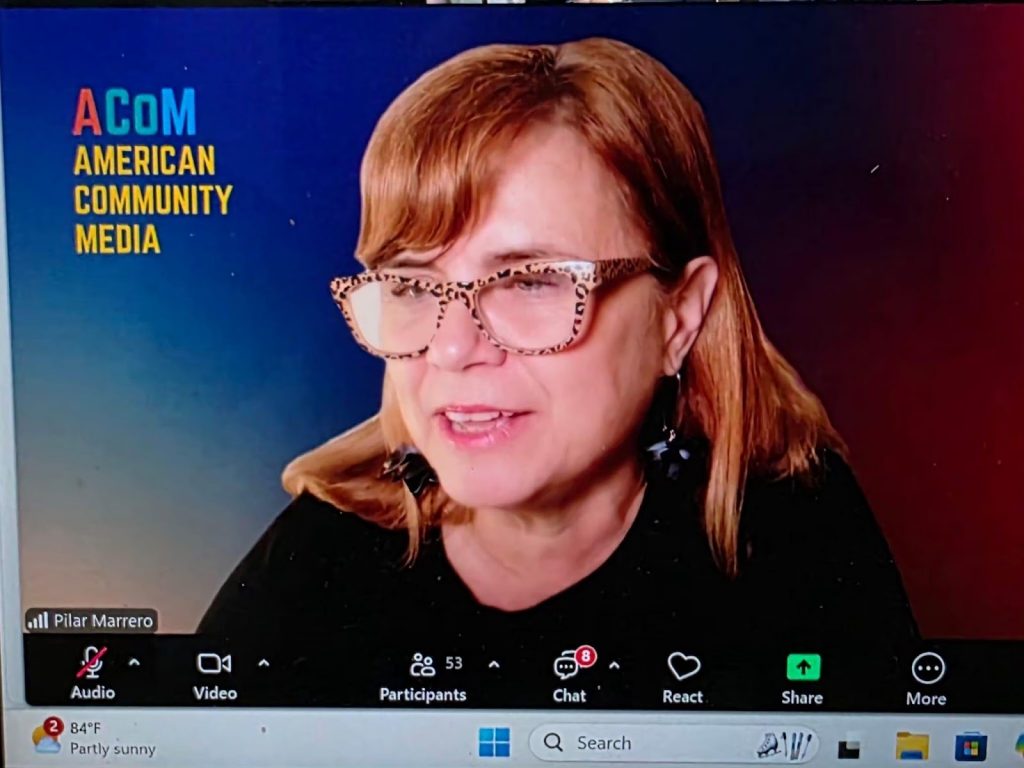
Pillar Marreno ACoM moderator
Speakers agreed that humor often becomes especially important during periods of social and political uncertainty. Comedy and satire, they noted, can help communities confront fear, question authority, and maintain a sense of connection when public discourse becomes tense or overwhelming.
During the discussion, the panelists explored the role and responsibility of comedians in addressing serious issues. Samson Koletkar observed that comedians should be cautious about presenting themselves as ultimate truth-tellers, explaining that comedians often adjust their material depending on audience response and the atmosphere of the room.
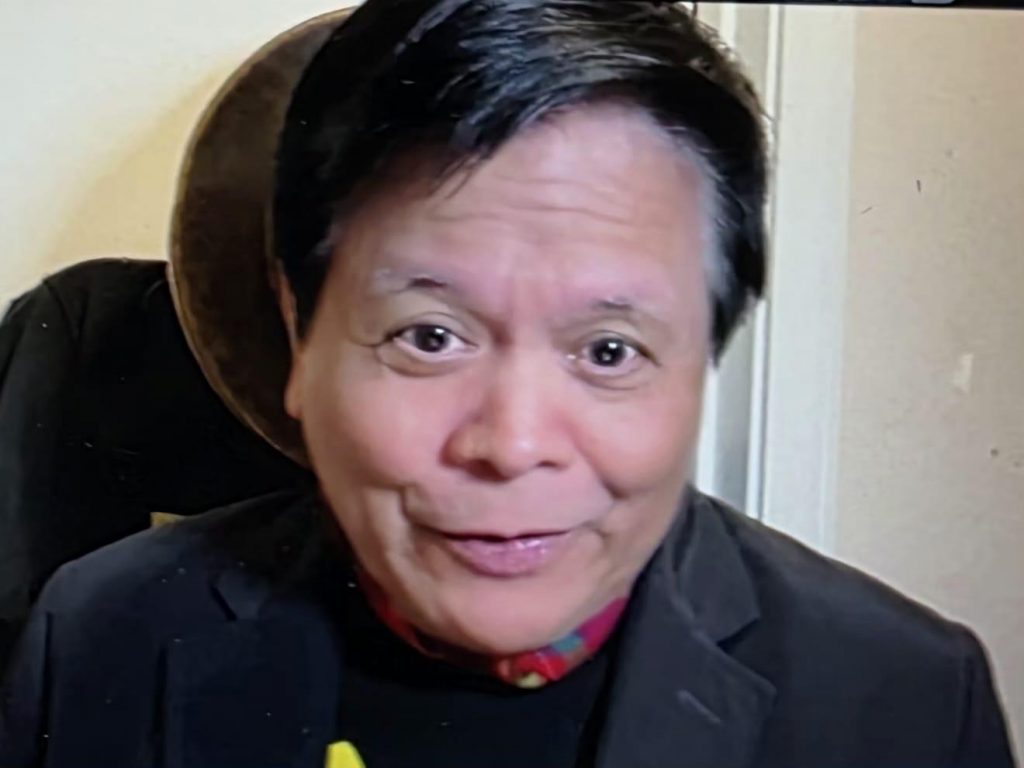
Comedian Emil Amok Guillemero
Responding to this point, Emil Amok Guillermo noted that comedy sometimes goes beyond the goal of simply making audiences laugh. He explained that satire can serve as a tool for highlighting deeper social truths and encouraging audiences to reflect on complex political and cultural realities.
A major theme of the discussion was the importance of timing and context in comedy. Herbert Siguenza emphasized that the effectiveness of humor often depends on the emotional state of the audience and the timing of the joke. Referring to the concept of “too soon,” he explained that certain subjects may feel inappropriate if addressed immediately after a tragic or highly sensitive event.
The panel also discussed how culture and identity shape comedic storytelling. Emil Amok Guillermo explained that jokes rooted in cultural experiences can resonate strongly within specific communities. For example, references to Filipino traditions or foods such as lumpia may draw enthusiastic responses from Filipino audiences but may not generate the same reaction among audiences

South Asian Comedian Sampson Kholetkar
unfamiliar with the cultural reference. However, the speakers agreed that many forms of humor remain universal because they reflect shared human experiences.
At the same time, the comedians acknowledged that while their work aims to bring laughter and entertainment, they remain aware that audiences often arrive carrying personal struggles, political anxieties, or social concerns. In such circumstances, humor can serve as a form of emotional relief, allowing people to process difficult news and regain perspective.
The panelists also reflected on the broader challenges facing comedians today, including navigating sensitive topics, balancing creative freedom with social responsibility, and responding to rapidly changing public conversations.

Herbert Siguenza
Ultimately, the discussion highlighted that comedy is more than entertainment. In difficult times, humor can provide a powerful outlet for expression, reflection, and resilience, helping audiences confront uncertainty while maintaining hope and connection.

For more reading please visit our Articles.