
Oil Prices Rise Above $115 as Iran War Intensifies
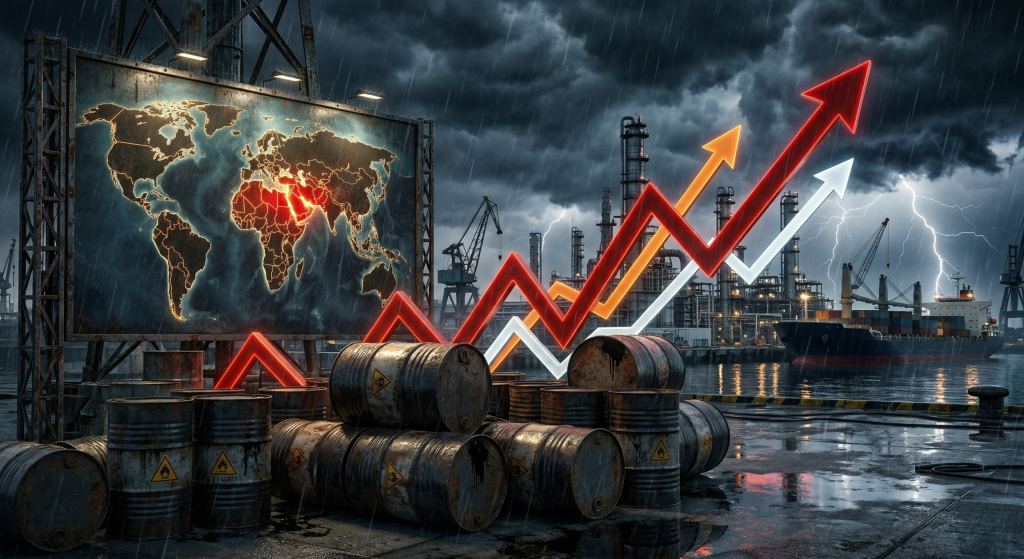
Global oil prices surged sharply on Monday as the US-Israel war on Iran entered its fifth week, triggering volatility in financial markets and raising serious concerns about global energy supply.
Brent crude jumped more than 3% to cross $115 per barrel, while US oil prices climbed to around $103. At the same time, major Asian stock markets recorded steep losses, reflecting investor anxiety.
Oil Prices Surge as War Disrupts Markets
The ongoing conflict has significantly impacted global energy markets, with oil prices witnessing one of their strongest rallies in recent months.
Analysts say the surge is directly linked to supply fears and geopolitical uncertainty. According to our Iran war live updates, tensions continue to escalate with no clear resolution in sight.
Asian Markets Fall Amid Economic Concerns
Stock markets across Asia opened sharply lower following the spike in oil prices.
Japan’s Nikkei 225 dropped 4.5%, while South Korea’s Kospi fell nearly 4%, highlighting growing fears of economic instability.
Experts warn that the Global economic impact of Middle East conflict could worsen if tensions continue, affecting trade, inflation, and consumer spending worldwide.
Strait of Hormuz Crisis Raises Supply Fears
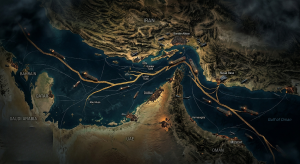
The Strait of Hormuz remains a critical chokepoint for global oil supply.
Nearly 20% of the world’s oil passes through this narrow waterway, and any disruption has immediate global consequences. Recent threats from Iran have raised concerns about a potential blockade.
This aligns with recent Oil price trends analysis, which shows how geopolitical conflicts directly influence global energy markets.
Houthi Attacks Add to Supply Chain Risks
Iran-backed Houthi forces in Yemen have intensified the crisis by targeting Israel and threatening key shipping routes.
Experts warn that disruptions near the Bab al-Mandeb strait could affect nearly 10% of global oil supply, further straining international trade.
Trump Signals Possible Oil Strategy
US President Donald Trump indicated that the United States could take control of Iranian oil infrastructure, including the key Kharg Island facility.
His comments have increased uncertainty in global markets, with investors closely monitoring future developments.
Experts Warn of Global Economic Slowdown
Energy analysts predict that oil prices could rise further if the conflict continues.
Some forecasts suggest Brent crude could reach $130 per barrel, potentially leading to higher inflation and slower economic growth worldwide.
Oil Prices Before the Conflict
Before the war began in late February, Brent crude was trading at around $72 per barrel.
The current surge highlights the powerful impact of geopolitical tensions on global energy prices.
FAQs
Why are oil prices rising above $115?
Oil prices are increasing due to supply disruptions and geopolitical tensions caused by the Iran war.
How is the war affecting global markets?
Stock markets are declining, and inflation risks are increasing due to rising energy costs.
What role does the Strait of Hormuz play?
It is a key global oil route, and any disruption significantly impacts global supply and prices.
Can oil prices rise further?
Yes, analysts predict prices could reach $130 per barrel if the conflict escalates further.