
China’s ‘Teapot’ Refineries Help Cushion Impact of Iran War Oil Crisis
Oil Prices Surge as Iran War Disrupts Global Markets
Global oil markets remain under pressure as the ongoing conflict involving the United States, Israel, and Iran continues to disrupt energy supply routes.
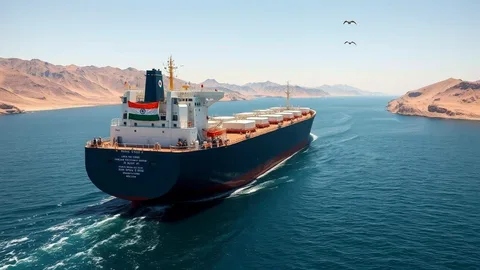
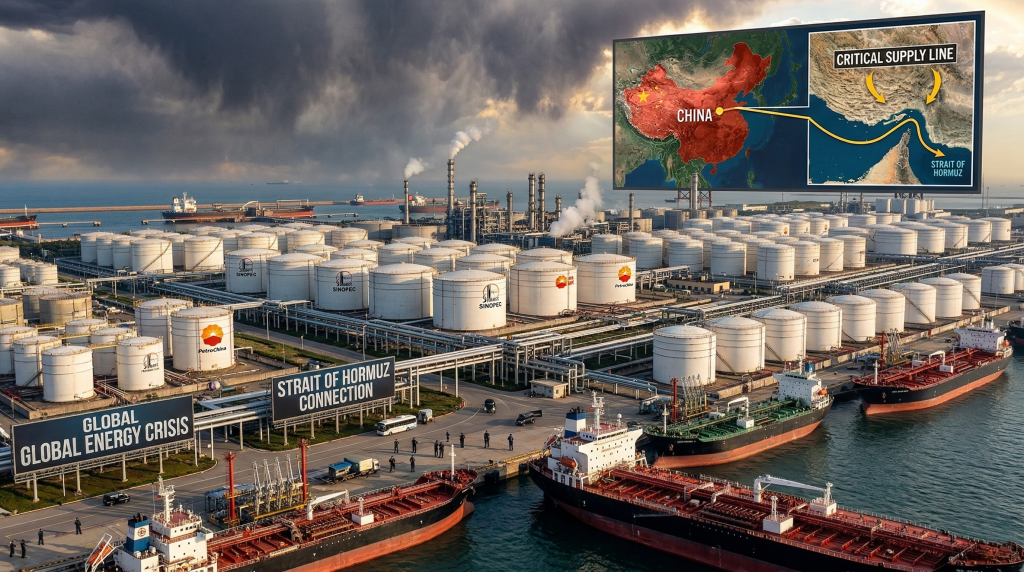
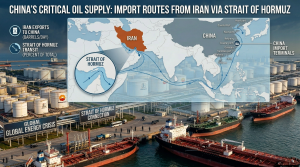
Oil prices have risen sharply in recent days, with Brent crude crossing key levels amid fears of prolonged instability. The disruption is largely linked to reduced activity in the Strait of Hormuz, a vital route for global oil and gas shipments.
China Relies Heavily on Middle East Oil
Despite the crisis, China has managed to limit the impact on its energy supply.
The country imports a significant portion of its crude oil from the Middle East, particularly from Iran. In recent years, China has been one of the largest buyers of Iranian oil, helping maintain steady supply levels even during periods of sanctions and geopolitical tensions.
Role of ‘Teapot’ Refineries
A key factor behind China’s resilience is the use of so-called “teapot” refineries — small, independent oil processing plants.
These refineries:
- Operate outside major state-controlled systems
- Purchase discounted crude oil
- Maintain flexible supply chains
By sourcing cheaper oil and adjusting quickly to market conditions, these facilities have helped China reduce the immediate impact of global disruptions.
Stockpiling Strategy Provides Buffer
China has also benefited from its long-term strategy of building oil reserves.
Before the conflict escalated, the country increased imports and stored large volumes of crude oil. These stockpiles are now helping to stabilize supply as global markets face uncertainty.
Challenges Remain Despite Advantages
Although China has managed the situation better than many countries, it is not completely immune.
Rising oil prices are increasing costs for refineries, and smaller operators are beginning to feel financial pressure. Any prolonged disruption in supply routes could eventually impact domestic fuel availability.
Global Uncertainty Continues
The ongoing tensions in the Middle East continue to create uncertainty in energy markets.
Analysts warn that if disruptions in the Strait of Hormuz persist, global oil prices could remain volatile, affecting economies worldwide.
For now, China’s independent refining system and strategic planning have helped cushion the immediate shock — but the long-term outlook remains uncertain.