
William Henry Harrison: The Shortest Presidency and the Hero of Tippecanoe
William Henry Harrison, the ninth President of the United States, holds the unfortunate distinction of serving the shortest term in American presidential history. Born on February 9, 1773, at Berkeley Plantation in Charles City County, Virginia, Harrison came from a prominent Virginia family. His early career was defined by military service, where he gained national recognition for his leadership in the Battle of Tippecanoe in 1811, earning him the nickname “Old Tippecanoe.”
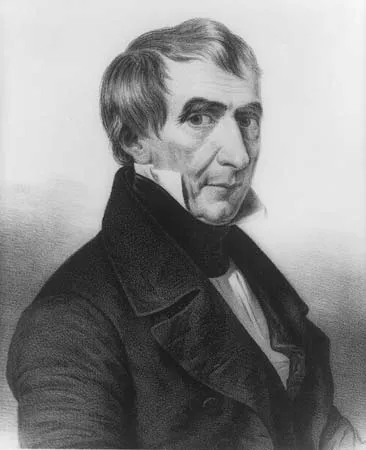
Harrison married Anna Tuthill Symmes on November 25, 1795. Anna, often plagued by illness, never fully recovered from the deaths of their ten children and was unable to join him in Washington D.C. during his brief presidency. William Henry Harrison represented Ohio in his political career, serving as a territorial delegate, a representative, and a senator before his presidential bid.
His presidency lasted a mere 32 days, from March 4, 1841, to April 4, 1841, making him the first president to die in office and serving only one term. As a member of the Whig Party, Harrison’s election in 1840 was a triumph for the party, which had successfully campaigned on his military heroics and a populist image. His inaugural address, delivered in harsh weather without an overcoat or hat, was the longest in U.S. history. Tragically, he contracted pneumonia shortly after and died a month later.
| Detail | Information |
|---|---|
| Name | William Henry Harrison |
| Spouse Name | Anna Tuthill Symmes |
| Birth Place | Berkeley plantation, Charles City County, Virginia |
| State Run For Presidency | Ohio |
| Time in Office | 32 days (March 4, 1841 – April 4, 1841) |
| Terms | 1 term (died in office) |
| Party | Whig |
| Age at Death | 68 (1773-1841) |
Harrison’s untimely death created a constitutional crisis regarding presidential succession, ultimately solidifying the role of the Vice President in such circumstances. William Henry Harrison died on April 4, 1841, at the age of 68. His brief time in office meant he had little opportunity to implement his policies, leaving his legacy primarily tied to his military achievements and the precedent set by his death in office.