
Burkina Faso Leader Urges Nation to ‘Forget’ Democracy Amid Junta Rule
Military Leader Rejects Democratic System
Ibrahim Traoré, the military ruler of Burkina Faso, has called on citizens to “forget” democracy, arguing that the system is not suitable for the country.
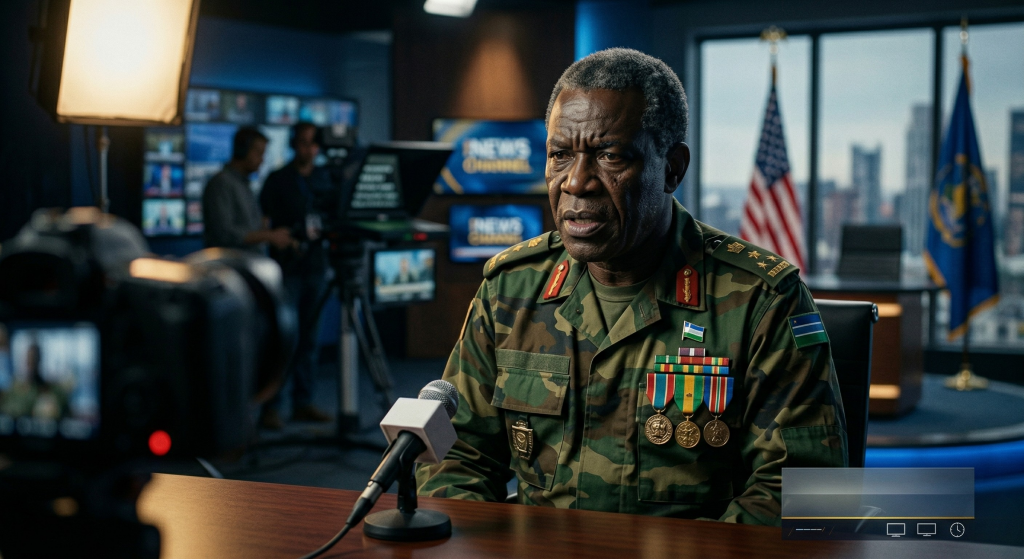
In a televised interview, the 38-year-old leader claimed that democracy often leads to instability and violence, particularly when introduced under external influence.
Shift Away From Promised Democratic Transition
Traoré came to power in a military coup three years ago and initially promised a return to civilian rule by mid-2024.
However, authorities later extended the transitional period by five years, effectively prolonging military governance.
Earlier this year, the government also imposed a ban on political parties, citing efforts to “rebuild the state”.
Criticism of Western Influence
The junta leader criticised Western-backed democratic models, saying they often bring conflict rather than stability.
He pointed to Libya as an example, highlighting its continued instability following the fall of Muammar Gaddafi.
Traoré argued that African nations should develop governance systems based on their own traditions and realities.
Call for Alternative Governance Model
While rejecting democracy, Traoré did not clearly outline a replacement system.
He suggested a model based on sovereignty, patriotism, and grassroots participation, with a stronger role for traditional leadership structures.
He also criticised political parties, describing them as divisive and harmful to national unity.
Security and Human Rights Concerns
Burkina Faso continues to face a prolonged insurgency by armed groups, contributing to widespread insecurity.
According to Human Rights Watch, more than 1,800 civilians have reportedly been killed since Traoré took power.
The report attributes a significant portion of the deaths to military forces and allied groups, raising concerns about human rights violations.
Regional Shifts and Global Alignments
Burkina Faso, along with neighbouring Mali and Niger, has reduced cooperation with Western nations.
Instead, these countries have strengthened ties with Russia for military support, although violence in the region persists.
Growing Support Despite Controversy
Despite criticism, Traoré has gained support among some groups for his strong anti-Western stance and emphasis on national sovereignty.
His leadership reflects a broader debate across Africa about governance models, democracy, and external influence.
FAQ
What did Burkina Faso’s leader say about democracy?
He said citizens should “forget” democracy, arguing it is not suitable for the country.
Who is Ibrahim Traoré?
He is the military leader who came to power in a coup and currently governs Burkina Faso.
Are political parties allowed in Burkina Faso?
No, they have been banned as part of the government’s restructuring plan.
What are the main concerns?
Human rights issues, extended military rule, and lack of a clear governance alternative.