(Publish from Houston Texas USA)
(By Asim Siddiqui, Washington DC)
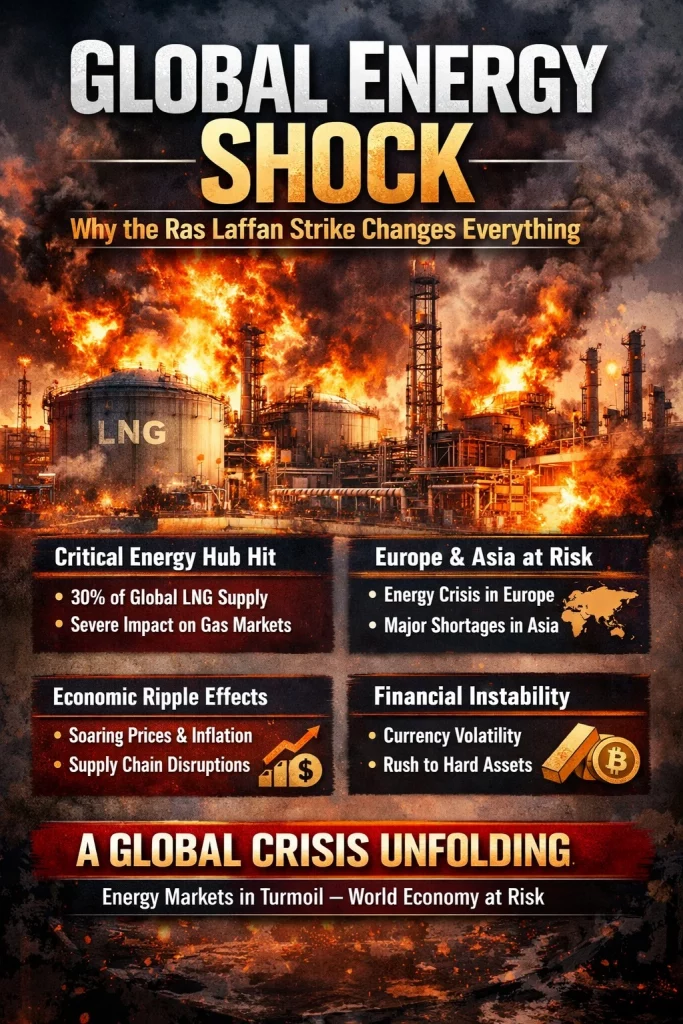
Global Energy Shock Deepens as Ras Laffan Strike Threatens Worldwide Energy Supply and Economic Stability
The world’s attention remains fixed on escalating tensions in the Middle East, but a far more consequential development is unfolding beneath the surface: the targeting of critical energy infrastructure. Reports suggesting a strike on Ras Laffan Industrial City—Qatar’s key liquefied natural gas (LNG) hub—have triggered global concern. This is not just another strategic site. Ras Laffan plays a central role in the global energy supply chain, making any disruption potentially transformative for economies worldwide.
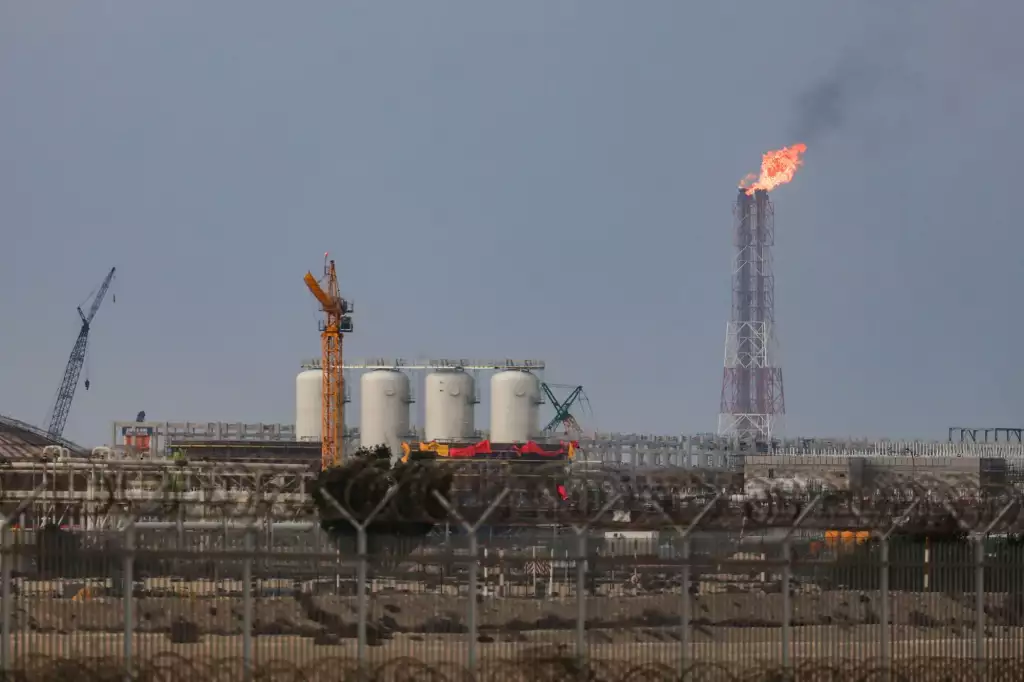
Why the Ras Laffan Strike Matters Globally
The reported strike on Ras Laffan signals a shift from regional conflict to global economic risk. Qatar is among the world’s largest LNG exporters, and its supply network supports both developed and emerging economies.
- Europe: Countries like Germany, France, and Italy rely heavily on LNG imports, especially after reducing dependence on Russian gas.
- Asia: Major economies such as Japan, South Korea, India, and Pakistan are key consumers of Qatari LNG.
- Emerging Markets: Nations across Southeast Asia are already responding with emergency fuel procurement strategies.
This interconnected dependence means even limited disruption could trigger widespread instability.
Economic Ripple Effects of a Global Energy Shock
If the Ras Laffan disruption persists, the economic consequences could be immediate and far-reaching:
- Sharp increases in global natural gas prices
- Rising electricity costs across multiple regions
- Higher manufacturing and industrial production expenses
- Increased consumer prices, particularly in transport and food
Such pressures could ignite a fresh wave of global inflation, complicating monetary policy decisions for central banks.
Financial Market Repercussions
Historically, global energy shocks extend beyond commodities into broader financial systems. A crisis centered around LNG supply could lead to:
- Increased currency volatility in import-dependent economies
- Greater investor interest in safe-haven assets like gold
- Renewed attention toward alternative financial systems, including digital assets
These shifts often indicate deeper systemic stress within global markets.
The Bigger Picture: Beyond Regional Conflict
What appears to be a localized escalation may, in reality, represent the beginning of a global energy shock or disruption. The targeting of infrastructure such as Ras Laffan marks a critical turning point where geopolitical tensions intersect directly with economic stability.
While military developments dominate headlines, the long-term global impact will likely depend on energy supply continuity and market response.
Conclusion
The reported strike on Ras Laffan underscores a crucial reality: modern conflicts are no longer confined to borders—they ripple through global supply chains and financial systems. If disruptions continue, the world could face a significant global energy shock with lasting economic consequences.
The situation remains fluid, but its implications are already clear—global markets may be entering a period of heightened uncertainty driven by energy vulnerability.
For more reading please visit our Articles.