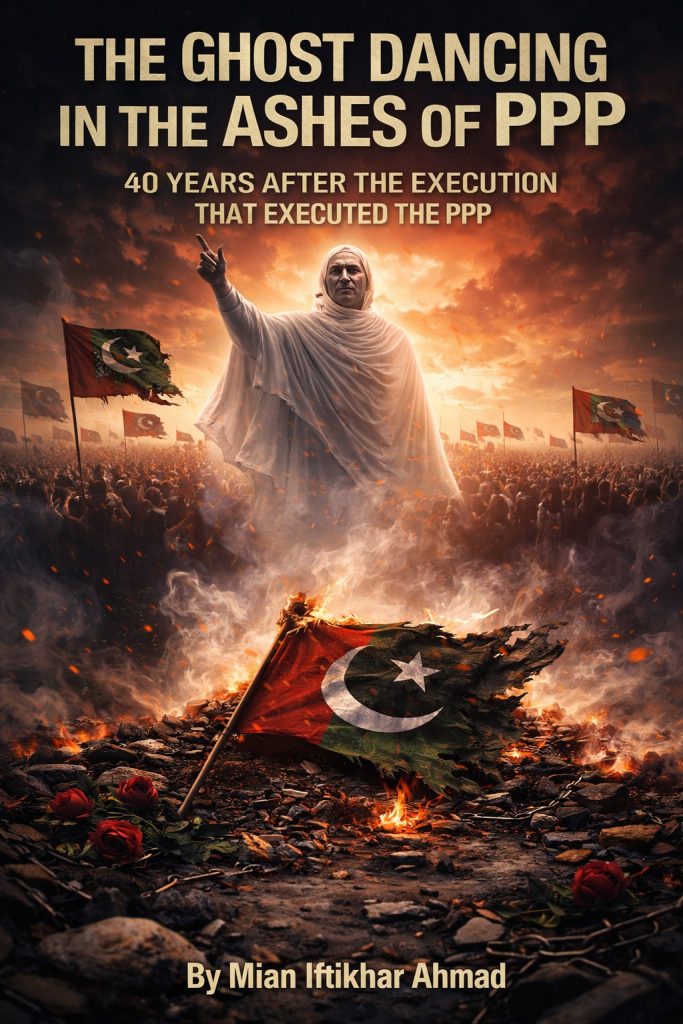

(Publish from Houston Texas USA)
(By Mian Iftikhar Ahmad)
From Nationalization to Reconciliation Politics: How Bhutto, Benazir, and Zardari Shaped the PPP’s Provincial Captivity
04 April – The Morning When Pakistan’s Dream Shattered into Pieces: The cold morning of the 4th of April brings the fragrance of flowers and the sharp wave of tears to that small cemetery in Larkana. This is no ordinary morning. This is the glint of the dagger that struck the heart of Pakistan’s politics forty years ago. When Zulfiqar Ali Bhutto was hanged, very few people thought that this was not just the death of one man but the first sign of all four wings being severed from the body of a party. On this morning, when workers gather at Garhi Khuda Bakhsh, they have actually come to gather the pieces of a shirt that all four provinces tore apart, thread by thread. My writing is the story of this dark journey where a national party slowly became trapped in a provincial prison and where every leader certainly added a new patch to this shirt, but with every patch, another corner of the shirt kept tearing. On the 4th of April 1979, when Bhutto climbed the gallows, the map of all of Pakistan was in his eyes. He wanted his party to spread from Sindh to Khyber and from Punjab to Balochistan. But today, when someone looks at the 4th of April processions, he is surprised why all these processions are limited only to the land of Sindh. Why do these red flags seem foreign on the land of Punjab? Why do people in the streets of Peshawar get startled when they hear the name of the Pakistan People’s Party? Why are the offices of the Pakistan People’s Party locked and abandoned in Quetta? These are the questions that remain voiceless at every 4th of April gathering. Bhutto had given his party an ideology, he had given the slogan of “Roti, Kapra aur Makan”, but he forgot that this slogan is only successful when there is a strong organization behind it. And when he himself started cutting the roots of that organization with his own hands, then the outcome was only destruction. The 4th of April is not just a date; it is the anniversary of that tragedy where a great leader gave his party a wound that remains unhealed to this day. And when we look at this wound today, we remember those five thousand industries that Bhutto had nationalized. We remember those industrialists of Lahore who had sworn that they would never let Bhutto’s party flourish in Punjab, and we remember those cloth mills of Gujranwala whose nationalization has never been forgiven. When flowers are laid on Bhutto’s shrine on the 4th of April, a bitter truth is hidden beneath those flowers that this is the same Bhutto whose policies threw the party into provincial captivity. Look at this irony that on the very day that Bhutto’s martyrdom is paid tribute, the final rites of this party are also performed. Because as long as a party keeps ignoring the dark aspects of its founder, it can never recover from its wounds. The 4th of April is merely a date of remembrance, but this date repeats the same lesson every year that one wrong economic decision, one wrong political strategy, and one wrong organizational structure can bring any party from the throne to the dust. Today, when one looks at the map of Pakistan, the red color of the Pakistan Peoples Party is visible only in a small part of Sindh. Everywhere else, this color has either faded or is close to fading. And this is the truth that no 4th of April ceremony can hide.
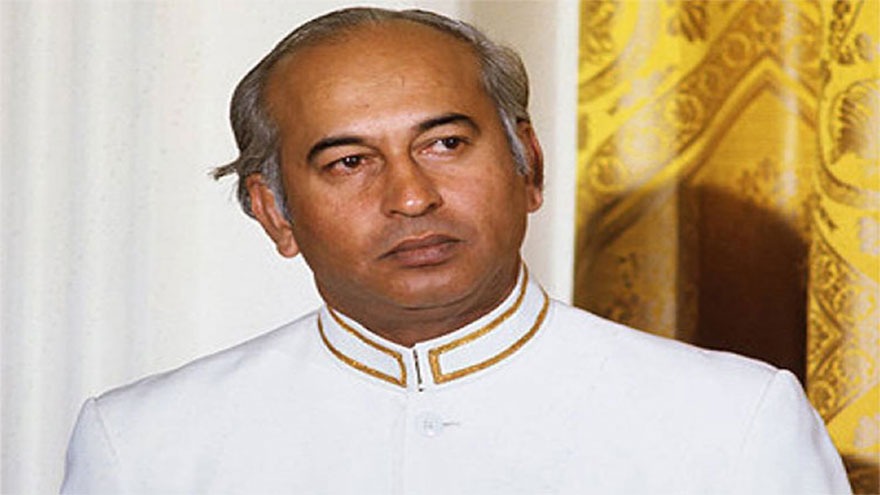
Zulfiqar Poisonous Gift Called Nationalization – Bhutto’s Poisonous Gift and the Cities Rebellion: When Lyallpur Broke Its Idol: On the 4th of April, when people pay tribute to Zulfiqar, no one mentions his economic policies. But the greatest irony of history is that the very person who is called a martyr today was the one whose own hands made the first and biggest hole in the party’s shirt. When Bhutto decided to nationalize the major industries of Punjab in the 1970s, he thought he was returning the rights of the poor. But the industrialists of Lahore and Gujranwala have never forgotten this decision. They hanged Bhutto on the gallows, but the fire of their revenge burned every tree of the Pakistan People’s Party in Punjab to ashes. This was not just an economic decision, it was a political suicide. Bhutto cut the roots of the party in Punjab with his own hands and handed them over to Nawaz Sharif. And then that same Punjab, where once millions used to come out to welcome Bhutto, has become an alien land for the Pakistan People’s Party today. This was the poisonous gift that Bhutto gave to his party. A gift whose sweetness remained limited to Sindh and whose poison spread in Punjab for generations. Let me explain to you in detail how the nationalization policy broke the backbone of the Pakistan People’s Party. When Bhutto carried out the first nationalization in 1972, he took ten major industries into his custody, including steel, cement, fertilizer, and engineering industries. These industries were mostly owned by the industrialists of Punjab. These industrialists not only lost their capital but also the earnings of their labour. Most of them swore they would never forgive Bhutto’s party. And when Zia-ul-Haq imposed martial law, they fully supported the court case against Bhutto. But the real destruction happened when Bhutto started the second phase in 1973 and began nationalizing small industries as well. This included flour mills, oil mills, rice mills, and even the ownership rights of buses. Now the middle class of Punjab also turned against Bhutto. This was the same middle class that later became the strongest vote bank of the Muslim League (N). Due to nationalization, the industries became sick. Mismanagement, overstaffing, and lack of modernization destroyed their efficiency. Investors started moving their capital out of Pakistan. Foreign investment ended. And all this happened when Pakistan was already suffering from an economic crisis. But Bhutto’s misfortune was that he also ignored his own party’s workers. The workers who believed in Bhutto’s slogan, when they saw that decisions in the party were limited to just one family, their enthusiasm cooled down. On the 4th of April, when people pay tribute to Bhutto, they forget that Bhutto himself had turned the party into a family estate. All the leaders who came after him continued this tradition. Benazir also considered the party a family inheritance, and Zardari turned it into a personal business. The result was that ideological workers were replaced by family loyalists in the Pakistan People’s Party. And when ideology ends in a party, then that party represents only a family, not the people. The nationalization policy made the Pakistan People’s Party lose not just a political force but also an economic one in Punjab. And when a party has neither money, nor public support, nor organization, then it can only take refuge in a province like Sindh where there is no strong alternative. Every 4th of April gathering hides this bitter truth that the leader who was martyred, his policies brought the party from the national level down to the provincial level. And now this party is taking its last breath.
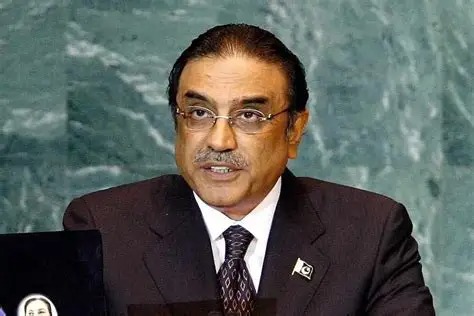
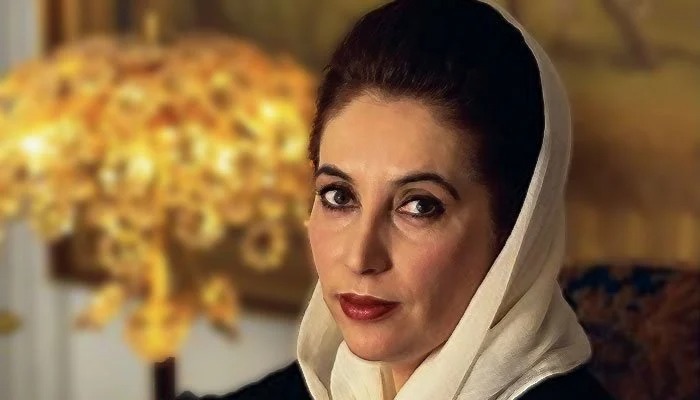
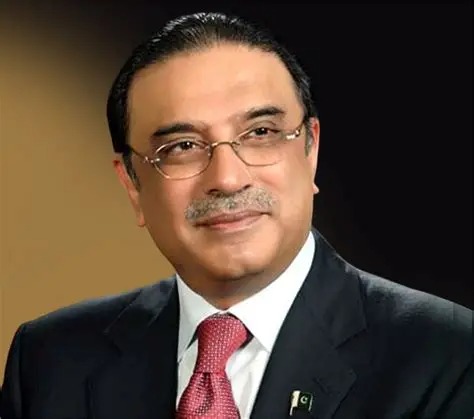
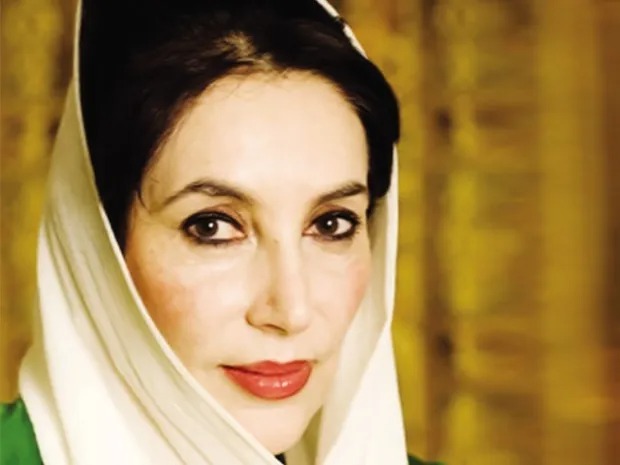
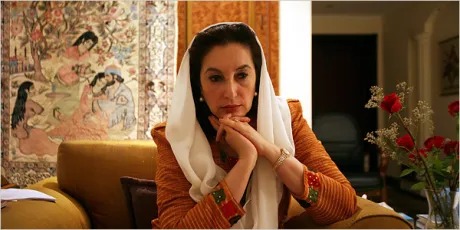
Benazir’s Smile That Built the Wall of Sindh and Asif Hand That Pushed the Shirt into the Grave: The 4th of April ceremonies also include a picture of Benazir Bhutto. That picture in whose smile the entire party sees its own reflection. But this was the same Benazir who rejected her fathers economic policy and adopted the path of privatization. This was the same Benazir who reached from Larkana to Karachi but forgot Peshawar and Quetta. In her era, the Pakistan People’s Party had already stopped breathing in Punjab, now Khyber Pakhtunkhwa and Baluchistan also gradually faded from the party’s sight. And then came the moment when the party’s reins came into the hands of Asif Ali Zardari. Zardari introduced a new trend of reconciliation. He made friends with the opposition, made compromises with the army, and turned politics into a business. But the price of this reconciliation was that the party’s ideological character was destroyed. Whenever Zardari reorganized the party in Punjab, he gave positions to people who had no connection to the area. Presidents were made in Gujranwala who had never even seen the map of the district. Positions were distributed in Sialkot as if some property was being divided. The result was that the existence of the Pakistan People’s Party in Punjab became limited to just papers. Some seats were won in Baluchistan, but that was because of Zardari personal reconciliations, not because of the party’s performance. In Khyber Pakhtunkhwa, the party became so extinct as if it had never existed. Sindh survived, but only because there was no other alternative in Sindh. Otherwise, the poor governance there, the neglect of Karachi, and the growing influence of other parties in upper Sindh were indicating that this last fortress would not last long. An important event occurred in Benazirs era when she approved the first Structural Adjustment Program with the IMF in 1988. This program ended the nationalization policy and started privatization. This was a good economic decision, but politically it created a void within the party. Because when the party rejected its founders economic policy, it meant that the party had no permanent ideology. Benazir never made any serious effort to restore the party in Punjab. Most of her time was spent clashing with opponents and then reconciling. And when she was martyred, such a leadership vacuum was created in the party that it was impossible to fill. Then Zardari used this vacuum for his own benefit. He made the party his personal business. Any worker who stood with Benazir was either expelled or severely weakened. Zardari took the politics of reconciliation so far that the Pakistan People’s Party used to act like the government even while in opposition. He never paid attention to organization building in Punjab because he thought Sindh was enough. When Zardari pays homage at Bhutto’s shrine on the 4th of April, he is actually attending the last rites of a party that he himself buried with his own hands. Benazir’s smile now remains only in pictures, and Zardari’s hand is the hand that broke the last threads of the party’s shirt as well. Now this shirt flutters only in the wind of Sindh, and that too is getting weaker and weaker.
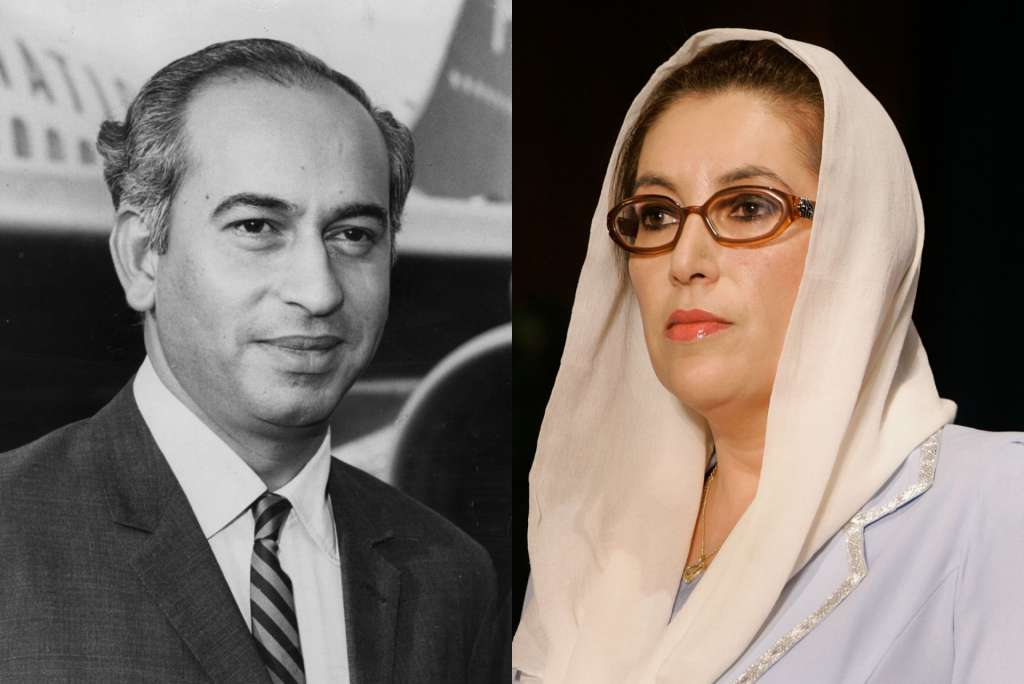
The Province That Takes Its Last Breath – Will Sindh Also Let Go of the Pakistan Peoples Parties Hand? On the evening of the 4th of April, when people return to their homes, their faces show both mourning and fervor. But this time, the mourning is somewhat more. Because the 2024 elections have placed a bitter truth before everyone. Only ten seats in Punjab, four in Khyber Pakhtunkhwa, eleven in Baluchistan, and in Sindh, since the party has full power, it got the majority. But this majority is no longer what it used to be. The MQM and Jamaat-e-Islami have started to surround the Pakistan People’s Party in Karachi. When the anger of Urdu-speaking people erupts in Hyderabad, they remember Bhutto’s nationalization that snatched their factories. The standard-bearers of Jamiat Ulema-e-Islam in upper Sindh are weakening the stronghold of the Pakistan People’s Party in Pashtun areas. Now the question is, when the same situation happens in Sindh, where will the Pakistan People’s Party go? Is that day far when the crowd of the 4th of April will also diminish? When silence will replace flowers at Garhi Khuda Bakhsh? If we analyze the current political situation of Sindh in detail, the Pakistan People’s Party faces three major challenges in Sindh. The first challenge is Karachi, which is Pakistan’s largest city and economic hub. The Pakistan People’s Party has very little influence in Karachi. The MQM, Pakistan Tehreek-e-Insaf, and Jamaat-e-Islami have a strong hold here. The people of Karachi are tired of the poor governance of the Pakistan People’s Party. From the sanitation system to the crises of electricity and water, the Pakistan People’s Party has failed in every issue. The second challenge is Hyderabad and other urban areas where a large number of Urdu-speaking people live. These people have not forgotten Bhutto’s nationalization to this day. They say that Bhutto weakened them economically by snatching their factories. And when the Pakistan People’s Party never apologized for this, their anger only increased further. The third challenge is the Pashtun areas of upper Sindh where Jamiat Ulema-e-Islam and other religious parties are rapidly emerging. Here the traditional vote bank of the Pakistan People’s Party is under severe threat. Besides these three challenges, there is a fourth challenge as well that restlessness is increasing within the Pakistan People’s Party itself. Workers say that only family members are given importance in the party, while hardworking and ideological workers are ignored. They say that until internal democracy is brought into the party, this party will keep getting weaker. History tells us that parties that fail to take their founders dream to the national level gradually become local parties. The Pakistan People’s Party today stands at a point from which return may or may not be possible, only time will tell. But it is certain that every 4th of April ceremony is now like a funeral. The funeral of a dream that once flew red flags in all four provinces and now breathes its last only in the soil of Sindh. That poisonous drug of nationalization, Benazir’s forgetfulness, and Zardari’s politics of reconciliation – all three together tore that shirt so much that it cannot be stitched anymore. Now it remains to be seen whether Bilawal Bhutto can give new stitches to this shirt or the story of the 4th of April will just remain a folk tale. When candles are lit next time on the 4th of April, perhaps they will be lit with some new hope, or perhaps they will be the last flame of that dying lamp. History has seen that when a party forgets its founder’s philosophy and only practices the politics of reconciliation, its outcome is nothing but provincial imprisonment. And the outcome of the Pakistan People’s Party is in front of everyone today. Once again the 4th of April will come, again people will come out, again flowers will be laid, but this time perhaps there will also be a new question hidden in the tears: Did we really do everything we should have to save our party? The answer is perhaps hidden in the torn cloth of that shirt which is now limited only to that cemetery in Larkana. The time has come for the Pakistan People’s Party to assess its wounds, otherwise on the coming 4th of April, it will only be mentioned in the pages of history.
For more reading please visit our Articles.