
Public-Centric Relief Measures by Maryam Nawaz Sharif in the Wake of the Global Energy Crisis
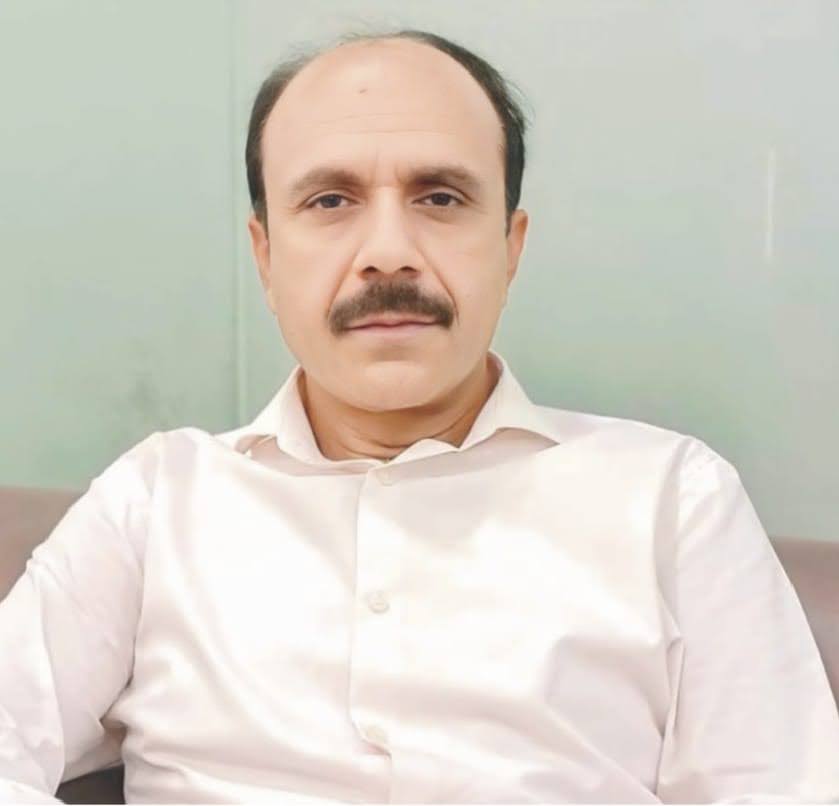
(Maqbool Malick, Director Public Relations Faisalabad)
Global Energy Crisis and Its Impact
The world today is grappling with an unprecedented global energy crisis. Escalating oil prices, coupled with geopolitical tensions and ongoing conflicts, have placed immense strain on the economies of developing nations. Pakistan too is facing the ripple effects of this crisis as rising petrol and diesel prices directly impact the daily lives of its citizens. In such challenging circumstances, the comprehensive relief package announced by Chief Minister Punjab, Maryam Nawaz Sharif has emerged as a significant source of support and hope for the public.
In her recent public communications, the Chief Minister emphasized that the Punjab government will provide targeted subsidies on a monthly basis to ease the financial burden on citizens. This initiative holds particular importance at a time when inflation has severely eroded the purchasing power of the common man. By extending subsidies across multiple sectors, the government aims to cushion the impact of rising costs and provide tangible relief.
Transport Sector Relief Measures
The transport sector, one of the hardest hit by fuel price hikes has been given special attention. The government has announced subsidies of up to Rs. 70,000 for registered goods transport vehicles, Rs. 80,000 for larger vehicles and Rs. 100,000 for public service buses. Furthermore, a landmark decision has been made to offer free travel facilities to the public in mass transit systems, including the Orange Line Train, Green Buses, electric buses and Speedo Bus services. This initiative is expected to significantly reduce commuting costs for millions of citizens.
Government Appeal to Transporters
At the same time, the Chief Minister has urged transporters to pass on the benefits of these subsidies to the public and refrain from increasing fares. This appeal reflects a responsible governance approach aimed not only at controlling inflationary pressures but also at strengthening public trust in state institutions.
Agricultural Sector Support
Equally noteworthy are the measures introduced for the agricultural sector. Recognizing the challenges faced by farmers due to rising input costs, Maryam Nawaz Sharif has announced financial assistance for wheat growers owning up to 25 acres of land. Under this initiative, a subsidy of Rs. 150 per liter on 10 liters of diesel per acre will be provided. This step is crucial in reducing the cost of cultivation and ensuring food security. Her statement, “I stand with every farmer,” reflects a firm commitment to safeguarding the interests of the agricultural community. Moreover, her pledge to personally oversee the transparency of the subsidy system underscores the government’s seriousness in ensuring effective implementation.
Relief for Motorbike Owners
Motorbike owners, a large segment of daily commuters have also been extended substantial relief. Registration and transfer fees for motorcycles across Punjab have been abolished. In addition, registered bike owners will receive a monthly subsidy of Rs. 2,000 along with a concession of Rs. 100 per liter on 20 liters of petrol. To facilitate access to these benefits, the government has introduced multiple digital channels, including a dedicated helpline (1000), a mobile application titled “Maryam ko Batayn” and an online web portal. These measures represent a progressive shift toward digital governance and improved service delivery.
Free Public Transport Initiative
Among all initiatives, the provision of free travel in public transport systems stands out as a transformative step. Services such as Metro Bus, Speedo Bus, the Orange Line Train and Green electric buses are now accessible free of cost, offering immediate and widespread relief to the masses. The overwhelming public response, reflected in increased ridership, highlights the pressing need for such interventions. On the directions of the Chief Minister, Punjab’s Transport Minister Bilal Akbar has also conducted visits to various stations to gather public feedback, demonstrating a governance model that values both policy formulation and on-ground evaluation.
Conclusion
In conclusion, the relief measures introduced by Maryam Nawaz Sharif represent a comprehensive and people-centric strategy aimed at mitigating the adverse effects of inflation and the global energy crisis. While it may not be possible to completely eliminate the impact of such global challenges, timely and well-targeted interventions can provide meaningful support to the public. The Punjab government by prioritizing public welfare in difficult times, has set a commendable example of responsive and responsible governance.