
(Publish from Houston Texas USA)
Surveillance Technology and the Threat to Civil Liberties
On Friday, February 27, 2026, San Francisco played host to a critical conversation about the expansion of surveillance technology in the United States. Titled “No Place Left to Hide”, the briefing, organized by American Community Media in partnership with the San Francisco Local Media Coalition, convened journalists, policy analysts, and community activists to explore how modern surveillance, from facial recognition systems to data dragnets, is reshaping civil liberties and public accountability.
Held at the World Affairs Center, 312 Sutter Street, the briefing was structured as two panels spanning the morning and early afternoon. The first panel focused on mapping the dramatic expansion of surveillance tools, while the second showcased the experiences of activists working on the ground. The event underscored the intersection of technology, policy, and community impact, highlighting the consequences of mass deportation campaigns and the increasing demands for private and public data from tech firms and government agencies.
Examining Surveillance in the Age of Deportations
The briefing was motivated by a growing awareness that surveillance is no longer limited to law enforcement operations. Speakers addressed how ICE raids, data requests for online critics, and access to voting records, public benefits, and tax information are increasingly facilitated by high-tech systems. Panelists emphasized the potential threats to free speech, political participation, and democratic safeguards, particularly for marginalized communities.
San Francisco, the hub of AI technology, has thus far been shielded from the federal ICE deployment surge seen in cities like Minneapolis. In October 2025, Mayor Daniel Lurie disclosed that a federal deployment plan for San Francisco had been called off, a decision shrouded in secrecy despite multiple FOIA requests from local media. This lack of transparency added urgency to discussions at the briefing, emphasizing the need for public awareness and accountability in the deployment of surveillance technology.
Expert Insights from Policy and Technology Leaders
The briefing featured an impressive roster of speakers whose expertise spans policy analysis, law, journalism, and activism:
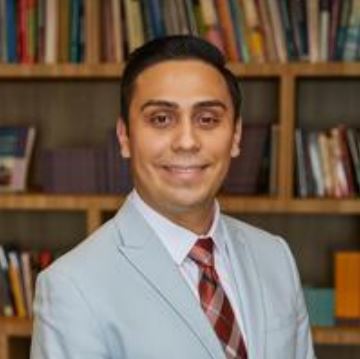
Ariel G Ruiz Soto, Senior Policy Analyst at the Migration Policy Institute, studies U.S. immigration policy and demographic trends from Panama to Canada. With a master’s degree from the University of Chicago and a sociology background from Whitman College, Soto offered an analytical perspective on the unintended consequences of migration enforcement and the intersection of surveillance with deportation policies.
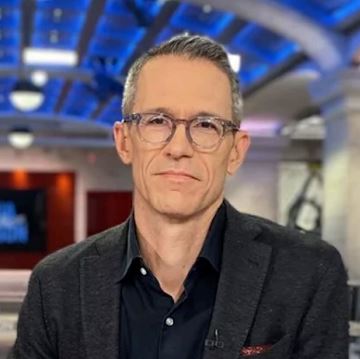
Jacob Ward, journalist and author of In the Loop: How Technology is Creating a World without Choices and How to Fight Back, brings decades of experience in global reporting. Having worked for Al Jazeera, CNN, PBS, and NBC News, and previously serving as editor-in-chief of Popular Science, Ward explored how AI and digital monitoring are shaping human behavior and decision-making in the modern age.
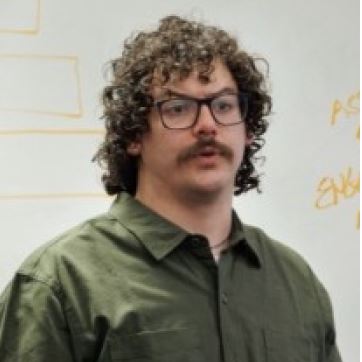
Juan Sebastián Pinto, a storyteller in the AI industry, highlighted how artificial intelligence intersects with civil rights. Pinto has contributed to major publications such as Forbes, Dwell, and The Guardian, focusing on how technology adoption can disproportionately affect vulnerable communities.
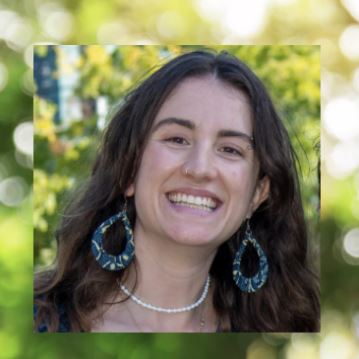
Rebecca Gerny, a researcher and organizer at East Bay Sanctuary, shared insights from grassroots advocacy. Her work spans immigration law, agroecology, climate justice, and women’s empowerment, combining research, storytelling, and activism to challenge the misuse of surveillance.
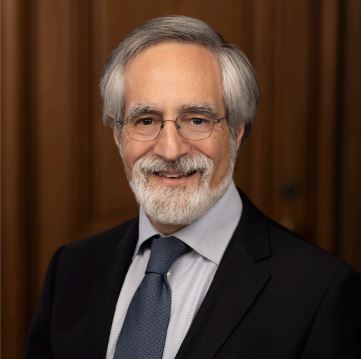
Aaron Peskin, former President of the San Francisco Board of Supervisors, discussed policy frameworks. Peskin, who served on the Board for 17 years, authored the Acquisition of Surveillance Technologies ordinance in 2019, establishing the first municipal ban on facial recognition by public agencies and setting precedents for protecting civil liberties.
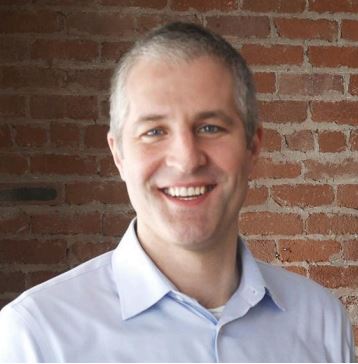
Jacob Snow, senior attorney at the ACLU of Northern California, specializes in consumer privacy, online free speech, and surveillance litigation. Snow brought an informed legal perspective on safeguarding public rights against intrusive monitoring practices.
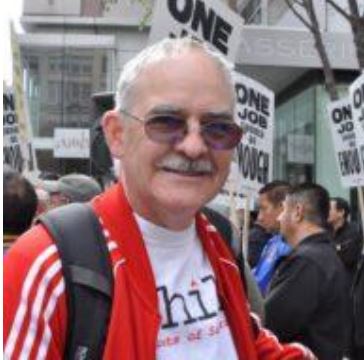
Tim Redmond, founder and editor of 48 Hills, contributed investigative insights into private surveillance in San Francisco. With over 40 years of experience in political journalism, Redmond addressed the complex interplay between privatized security, city oversight, and civil liberties.
Panels and Community Engagement
The first panel (11:00 am – 12:15 pm PT) outlined the landscape of surveillance technology, exploring the proliferation of digital tracking systems and the integration of AI in law enforcement. The second panel (12:45 – 2:00 pm PT) provided a platform for community voices, illustrating how surveillance policies impact real lives, particularly among immigrant and underserved populations.
Attendees were also introduced to practical tools and community resources for monitoring and mitigating surveillance impacts. Speakers encouraged journalists and activists to document and share instances of intrusive technologies, fostering transparency and accountability in local governance.
Looking Forward
“No Place Left to Hide” emphasized that while surveillance technology offers potential benefits for public safety, it also raises profound ethical, legal, and social questions. By combining policy analysis, legal expertise, and community advocacy, the briefing provided actionable insights for journalists and citizens alike. The event called attention to the necessity of balancing security with civil liberties, reinforcing that vigilance and informed reporting are critical to maintaining democratic safeguards in an increasingly monitored world.
For more information or to contact the organizers:
- Jaya Padmanabhan: jaya@americancommunitymedia.org
- Li Lovett: llovett@americancommunitymedia.org
For more reading please visit our Articles.