
(Publish from Houston Texas USA)
(By Asim Siddiqui | Washington, DC)
By any measure, Zohran Mamdani’s swearing-in as Mayor of New York City represents far more than a routine transition of power. It signals a shift in the city’s political mood—shaped by economic anxiety, public frustration, and a growing demand for leaders who speak plainly and remain rooted in local realities.
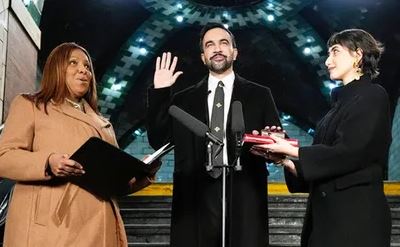
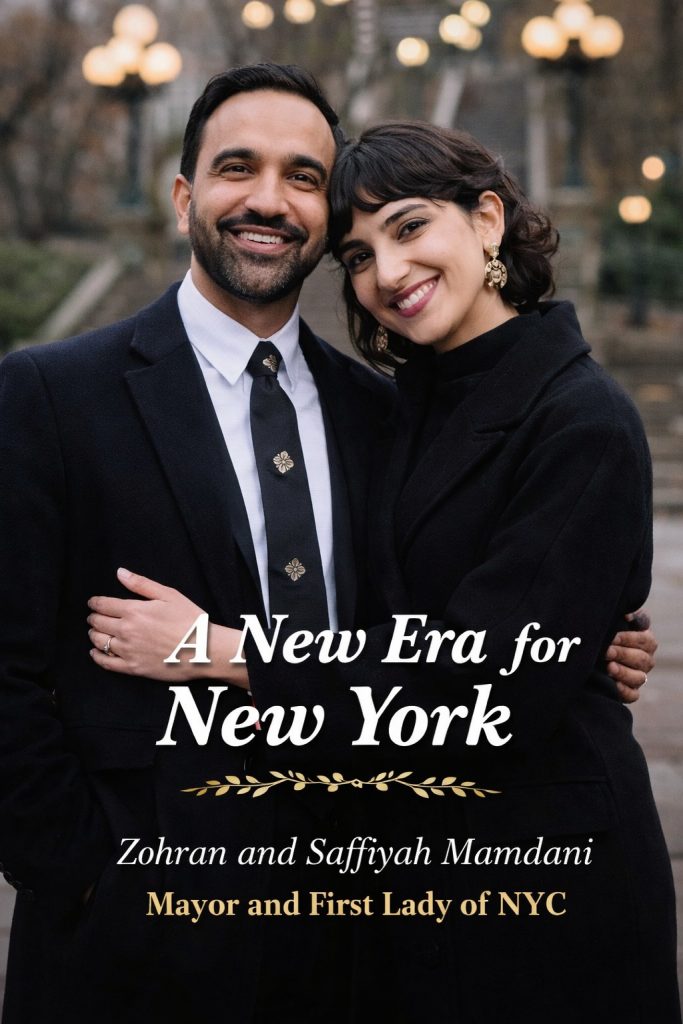
Mamdani took the oath of office quietly, just after midnight on New Year’s Day, in a private ceremony. Yet the symbolism of the moment was unmistakable. His rise to City Hall was propelled by an unconventional campaign that rejected polished elites and donor-centric politics in favor of street-level engagement. Neighborhood meetings replaced boardrooms, and conversations with everyday New Yorkers became the backbone of his message.
What ultimately set Mamdani apart was not only what he promised, but how he delivered those promises. His constant presence among working-class communities—those struggling with rising rents, food prices, and diminishing opportunity—made him a familiar figure rather than a distant political name. Alongside his partner, he projected an image of leadership that felt accessible, empathetic, and grounded in lived experience.
Voters responded accordingly. Not with blind enthusiasm, but with a deliberate choice. In a city long accustomed to seasoned political veterans and carefully scripted campaigns, the electorate opted for authenticity over polish. Mamdani’s victory was less a triumph of ideology and more an endorsement of trust.
Now, the expectations are substantial. Supporters believe his administration can begin addressing chronic challenges such as housing affordability, overstretched public services, and deepening economic inequality. Critics, however, remain cautious, questioning whether grassroots momentum can endure the realities of governing a city as vast and complex as New York.
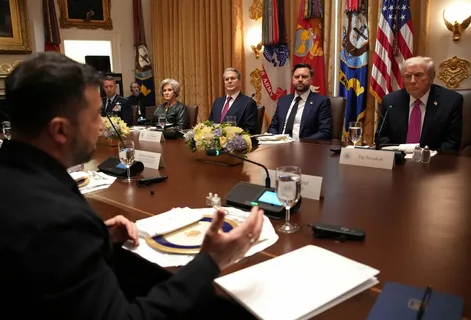
The national spotlight has followed swiftly. Political observers note that Mamdani’s win has resonated well beyond city limits, attracting attention in Washington as policymakers search for new approaches to longstanding urban problems. Early engagement at the federal level suggests that New York’s experiment in people-powered politics is being closely watched.
Ultimately, Mamdani’s tenure will not be judged by campaign rhetoric, but by results. The true test lies ahead—turning goodwill into governance, and promises into policy. New Yorkers have placed their faith in a new face. Whether that faith translates into lasting change will define not only Mamdani’s legacy, but the future direction of the city itself.