
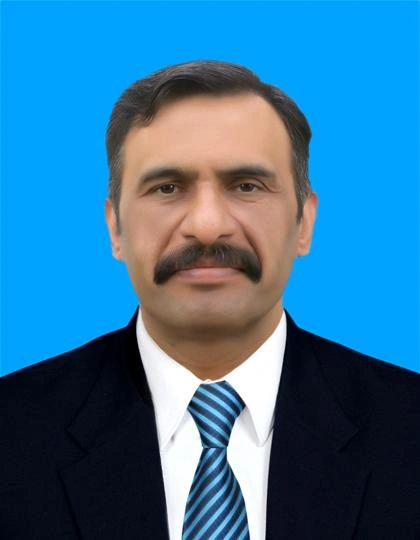
(Publish from Houston Texas USA)
(Dr. Muhammad Rizwan Bhatti)
Public Trust, Institutional Reform, and Community Engagement
The public–police relationship in Punjab stands at a critical juncture. While recent years have witnessed attempts to modernize law enforcement through community engagement initiatives and digital platforms, public trust remains fragile. A legacy of delayed responses, weak accountability, and sporadic abuses of authority continues to shape popular perceptions. Bridging this divide is not merely a rhetorical aspiration; it is a strategic necessity for Pakistan’s future law and order. At the heart of this challenge lie skepticism and persistent misconceptions between citizens and the police. Public perceptions of policing in Punjab’s major urban centers, including Lahore, Multan, Gujranwala, Rawalpindi, and Faisalabad, are largely shaped by everyday engagement with police officials on roads and in police stations. Complaints such as delays in FIR registration, inconsistent traffic enforcement, and inadequate police presence in peripheral areas are common. These recurring concerns point to a deeper institutional challenge, namely restoring confidence in an organization whose legitimacy ultimately depends on public trust.
Against this backdrop, a noteworthy effort toward reform has emerged in Faisalabad under the leadership of Regional Police Officer Sohail Akhtar Sukhera. Appointed following a major administrative reorganization aimed at improving performance, Sukhera has pursued a model that combines operational efficiency with community engagement. His approach reflects an institutional recognition that traditional policing must adapt to the complex demands of the twenty-first century.
Since assuming office, RPO Sohail Sukhera has emphasized enhanced patrolling strategies and visible traffic management, particularly during peak hours, to reduce accidents, combat narcotics, and enforce regulations more effectively. He has also strengthened Safe City operations, ensuring that real-time surveillance at key junctions supports swift action against drug abuse, traffic violations, and organized beggary. These measures demonstrate how technology, when paired with decisive leadership, can improve both responsiveness and deterrence.
The results of this intelligence-led strategy have been tangible. In January 2026 alone, Faisalabad Region Police settled 358 cases, apprehended 117 criminals, dismantled 46 criminal gangs, and recovered approximately PKR 324 million. Supported by actions against illegal weapons, narcotics, and proclaimed offenders, alongside open courts and digital grievance redressal mechanisms, these efforts mark a shift toward transparent, community-oriented policing where crime control and public confidence reinforce one another.
Equally significant has been RPO Sukhera’s direct engagement with the community. Interactions with the Faisalabad Chamber of Commerce and Industry, FIEDMC stakeholders, the business community, the Agricultural Research Institute, Faisalabad Medical University, GC Women University, Superior University, and diverse madrassas having different schools of thought underline a commitment to improving security for both citizens and businesses. The business community, in particular, has openly welcomed initiatives against gambling and drug trafficking, noting their positive impact on commercial activity and public confidence.
Transparency, Accountability, and the Path Forward
These developments signal an important transformation. Policing is increasingly presented as a partner in socioeconomic stability rather than a detached, reactive force. Increased patrols, improved Safe City monitoring, and targeted enforcement illustrate how operational reforms can directly shape perceptions of safety. Yet operational success alone is insufficient without parallel systems that institutionalize accountability and transparency.
Transparency plays a pivotal role in dismantling outdated perceptions of secrecy and informal barriers. Digital tools such as e-FIR registration and complaint tracking now allow citizens to monitor the status of their cases in real time. More broadly, the Punjab Police’s push toward digitization, including CCTV surveillance, body-camera trials, and AI-assisted crime mapping, signals a shift toward data-driven and publicly visible policing.
Community policing initiatives further institutionalize public participation. Committees linking police officials with business leaders, religious figures, and academic institutions provide forums for dialogue and collaborative problem-solving. When citizens observe police officers listening to local concerns and responding constructively, perceptions begin to shift from viewing the police as distant authority figures to recognizing them as accessible and responsive partners.
Another critical dimension of transformation lies in the introduction of specialized units, such as gender-based violence response teams, SSOIU, NIU, etc. By acknowledging vulnerabilities often overlooked in conventional frameworks, these units convey a powerful message. Safeguarding the most vulnerable is as central to policing as crime prevention and enforcement.
Rebuilding trust, however, demands sustained commitment rather than episodic initiatives. Consistency, from routine traffic management to high-profile crime prevention, must be matched by visible accountability when errors occur. Public forums, accessible complaint mechanisms, and open courts where grievances are heard directly help foster an environment where accountability becomes routine rather than exceptional.
Punjab’s policing reforms reflect an evolving institution, one that recognizes the limits of coercion and embraces engagement, technology, and openness. While success will not materialize overnight, ongoing efforts, particularly in Region Faisalabad, demonstrate a genuine attempt to re imagine the police–public relationship in ways that enhance security and civic trust.
Ultimately, trust is the true currency of effective policing. When officers are visible, approachable, and accountable, when processes are transparent, and when reform translates into tangible change, the police become more than an enforcement body. They emerge as a cornerstone of public confidence in the rule of law.
About Author:
Dr. Muhammad Rizwan Bhatti holds a PhD in political science and writes regularly on terrorism, counterterrorism, countering violent extremism, and policing affairs. He can be reached at rizwanbh79@gmail.com.
For more reading please visit our Articles.