
Strategic oil reserves moved to the centre of global energy politics on March 9, 2026, as G7 finance and energy ministers held emergency talks after Brent crude surged to $119.50 per barrel. The crisis was triggered by the near-total closure of the Strait of Hormuz, cutting off 20 percent of the world’s daily oil supply. G7 leaders discussed releasing strategic oil reserves in a coordinated IEA-backed move — the most significant strategic petroleum reserve intervention since the 2022 Ukraine war.
Background: What Are Strategic Oil Reserves?
Strategic oil reserves — also called the Strategic Petroleum Reserve (SPR) — are emergency crude oil stockpiles held by governments to protect national economies from sudden supply disruptions.
The idea of strategic oil reserves was born from the 1973 Arab oil embargo. Six Arab nations cut off oil supplies to the United States, triggering global fuel shortages and a devastating price spike. In response, the International Energy Agency (IEA) was established in 1974. Its core mission was to coordinate the use of strategic oil reserves among member states during supply emergencies.
Since then, coordinated strategic oil reserve releases have been used only four times — during the 1991 Gulf War, after Hurricane Katrina in 2005, during the 2011 Libyan civil war, and following Russia’s invasion of Ukraine in 2022. None of those events involved a full closure of the Strait of Hormuz — through which 20 million barrels of oil pass every single day.
Details: Strategic Oil Reserves and the G7 Crisis
What Triggered the Strategic Oil Reserves Debate?
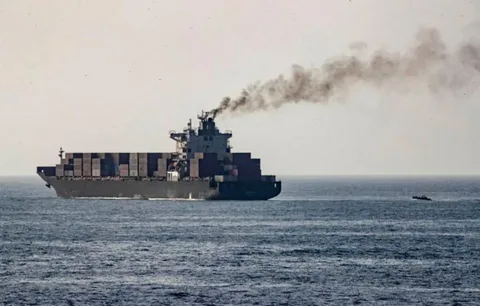
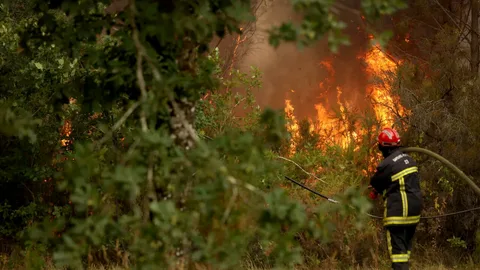
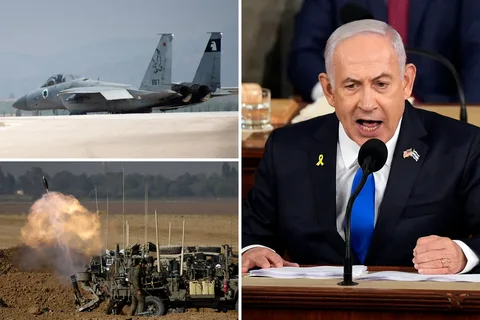
The crisis began on February 28, 2026, when US and Israeli strikes targeted Iranian nuclear and energy infrastructure. Iran retaliated by effectively closing the Strait of Hormuz — the world’s most critical oil chokepoint.
With 20 percent of global daily oil supply suddenly blocked, oil markets went into shock. Brent crude surged to $119.50 per barrel. The Strait closure created the biggest oil supply disruption in history. Unlike past shocks, there was no spare capacity to offset the disruption — Saudi Arabia and the UAE were themselves cut off from export markets.
Strategic Petroleum Reserve Chart — US Oil Reserves Today
The United States holds the world’s largest strategic oil reserves, stored in underground salt caverns along the Gulf of America coastline.
Under President Trump and Energy Secretary Chris Wright, the administration had prioritised refilling US strategic oil reserves after they fell to a 40-year low under the previous administration.
Strategic Petroleum Reserve Chart — Key Levels:
- Peak strategic oil reserves: 727 million barrels (2009)
- 40-year low: 347 million barrels (2023)
- US oil reserves today — February 2026: ~415 million barrels
- Proposed G7 release: 300–400 million barrels
Strategic Oil Reserve Levels Today — G7 Nations
G7 nations collectively hold over 1.5 billion barrels in strategic oil reserves today across the United States, Japan, Germany, France, Italy, the United Kingdom, and Canada.
The IEA confirmed that strategic oil reserve levels today are sufficient for an emergency drawdown — but cautioned that the maximum practical release rate from strategic petroleum reserves is approximately 2 million barrels per day, well below the 20 million barrels per day normally flowing through the Strait of Hormuz.
G7 Decision on Strategic Oil Reserves — Hold For Now
G7 ministers reached a broad agreement to hold off an immediate release of strategic oil reserves pending further analysis. One senior G7 official told Reuters: releasing strategic oil reserves was not off the table — the question was timing.
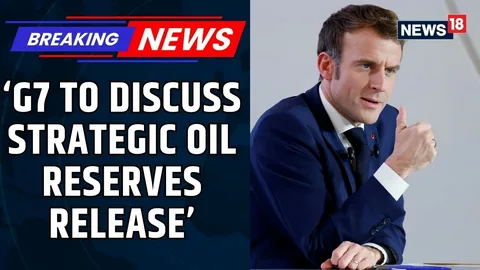
French President Emmanuel Macron confirmed that releasing strategic oil reserves remained “an envisaged option.” The final decision on strategic oil reserves was referred to G7 heads of government.
Quotes
French President Emmanuel Macron, on strategic oil reserves: “The use of strategic reserves is an envisaged option.”
Senior G7 Official, speaking to Reuters: “There was broad consensus. It was not that someone was against it — it’s just about timing. More analysis is needed on strategic oil reserves before the final decision.”
IEA Statement, March 9, 2026: “The global oil market has been in significant surplus. However, prolonged supply disruptions could flip the market into a deficit that strategic oil reserves alone cannot address indefinitely.”
South Korean President Lee Jae Myung, on strategic oil reserve levels today: “It would be wise for South Korea to find alternatives to supplies that must travel through the Strait of Hormuz.”
Energy analyst, Rapidan Energy Group: “Unlike past shocks, there is no spare capacity to address this disruption. Strategic petroleum reserves can bridge the gap — but not forever.”
Impact: What the Strategic Oil Reserves Crisis Means for the World
Oil Markets React
Brent crude surged from $85 to $119.50 per barrel before pulling back to $106 after the G7 strategic oil reserves announcement. West Texas Intermediate soared above $119 before retreating to $103. South Korea’s stock market fell 6 percent in a single session on fears of an energy shock.
Strategic Oil Reserve Levels Today — Can They Hold the Line?
Releasing 400 million barrels from strategic oil reserves can bridge approximately 20 days of a complete Strait of Hormuz closure at normal consumption levels.
If the conflict persists for months, strategic oil reserve levels today across G7 nations will fall dangerously low — leaving the global economy with no emergency buffer.
Global Economic Fallout
Higher energy costs are driving inflation across every major economy. In Southeast Asia, long lines have formed at fuel stations. Households in Europe face sharp increases in heating and transport costs. India, which imports 80 percent of its crude oil needs, faces the steepest risk from rising strategic oil reserve prices — threatening economic growth, the rupee, and fiscal stability.
Conclusion
The G7 debate over strategic oil reserves is the most significant energy intervention discussion since the 2022 Ukraine crisis — and the stakes are far higher.
Strategic oil reserves are a powerful emergency tool. But they were never designed to permanently replace a closed Strait of Hormuz. The 1.5 billion barrels held across G7 strategic oil reserve levels today can buy time — weeks, perhaps months. They cannot buy a resolution to the conflict.
The real test of strategic oil reserves is not whether they can blunt the initial price spike. They can, and they have. The real test is whether the time they buy is used to reopen the Strait and restore the flows that the global economy still depends on completely.
Strategic oil reserves are on the table. The clock is ticking.