

(Publish from Houston Texas USA)
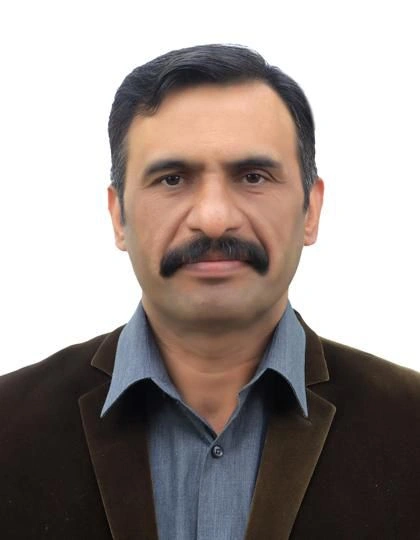
(Dr. Muhammad Rizwan Bhatti)
Effective policing leadership can significantly strengthen both public confidence and crime control in a country where trust in law enforcement institutions has often fluctuated. The recent performance of the Faisalabad Police, led by Regional Police Officer (RPO) Sohail Akhtar Sukhera, presents a compelling example of how people-centric policing, administrative discipline, and professional commitment can deliver measurable results.
Intelligence-Based Operations Against Organized Crime
Throughout 2026, the Faisalabad Police have launched several decisive intelligence-based operations against organized criminal networks. Under the leadership of RPO Sohail Akhtar Sukhera, law enforcement agencies successfully dismantled 99 dangerous criminal gangs, leading to the arrest of 264 hardened criminals.
In addition, police resolved 823 criminal cases and recovered stolen property worth over Rs. 77.6 million. The recovered items included motorcycles, gold jewellery, mobile phones, and livestock. These recoveries highlight not only operational effectiveness but also a strong commitment to restoring justice for victims who often feel helpless after criminal incidents.
Major Crackdown on Drug Trafficking
The fight against narcotics has also remained a top priority for the Faisalabad Police. Drug abuse is one of Pakistan’s most pressing social challenges, particularly affecting youth and educational institutions.
As part of the anti-drug campaign:
- 1,834 cases were registered against drug traffickers
- 1,863 suspects were arrested
- Authorities seized
- 819 kg of hashish
- 37 kg of ice (crystal meth)
- 226 kg of heroin
- Nearly 26,000 litres of alcohol
These actions reflect the administration’s determination to dismantle drug supply chains that fuel addiction and criminal activity across the region.
Targeted Operations Against Violent Crime
To counter violent crimes such as robberies, home invasions, street snatching, and the alarming display of illegal weapons in public areas, the police initiated targeted intelligence-driven operations.
Several notorious offenders involved in these crimes were apprehended. These efforts send a strong message that the rule of law will prevail and criminal activities will not be tolerated.
Crackdown on Illegal Weapons
Eliminating illegal arms has been another major focus of the administration. During a comprehensive crackdown on unlawful weapons possession, police recovered:
- 710 pistols
- 48 rifles
- More than 2,000 rounds of ammunition
Reducing the availability of illegal firearms is essential for curbing violent crimes and restoring citizens’ sense of safety in public spaces.
Public Safety Enforcement Measures
Public safety initiatives extended beyond traditional crime prevention measures. Strict enforcement of the kite-flying ban—introduced to prevent fatal accidents caused by hazardous kite strings—resulted in:
- 369 cases registered
- Nearly 26,000 kites confiscated
Police operations also led to the arrest of:
- 74 suspects wanted for attempted murder
- 73 proclaimed offenders involved in murder cases
- 1,956 proclaimed criminals from Category A and B
These arrests represent a significant step toward strengthening the rule of law and discouraging repeat criminal behavior.
Significant Reduction in Crime Rates
One of the most notable achievements of the Faisalabad Police has been the measurable reduction in crime.
Statistics reveal:
- 60% overall decline in heinous crimes
- 85% decrease in dacoity
- 66% reduction in motorcycle snatching
- 62% decrease in motorcycle theft
- 57% decline in car theft
These results demonstrate the success of data-driven policing strategies implemented under RPO Sohail Akhtar Sukhera’s leadership. The improvements have helped restore public confidence and enhance security in Pakistan’s industrial hub.
Community Policing and Public Engagement
A key feature of Sohail Sukhera’s policing strategy is the emphasis on community engagement and accessibility. The regular organization of Khuli Kacheris (open public forums) allows citizens to directly present their concerns before senior police officials.
Through these forums and daily public hearings, more than 3,300 citizens have shared their grievances with the police leadership. This initiative has helped bridge the long-standing gap between the public and law enforcement institutions.
Furthermore, regular interactions with traders, business communities, educators, and local leaders have strengthened cooperation between police and society. Such partnerships are vital in identifying local issues and supporting crime prevention efforts.
Expansion of Police Facilitation Services
Police facilitation services have also expanded considerably. Through 15 service centres and 20 additional service counters, more than 122,000 citizens have received assistance ranging from complaint registration to documentation services.
Meanwhile, the Tahafuz and Misaaq Centres have addressed 7,266 complaints, many of which involve vulnerable groups such as women, children, and underprivileged citizens.
Focus on Police Welfare
Another important dimension of the administration’s approach is the emphasis on police welfare. Recognizing that motivated personnel are essential for effective policing, the leadership has introduced initiatives aimed at supporting police families.
Memorandums of understanding with medical institutions and educational organizations have been established to provide relief to police personnel and their families. Notably:
- Children of martyred police officers receive 100% educational scholarships
- Children of injured officers receive up to 75% educational discounts
These welfare measures enhance morale within the force and acknowledge the sacrifices made by law enforcement personnel.
Balancing Authority with Compassion
Effective policing leadership requires balancing firmness with empathy. Observers in Faisalabad note that the current administration has successfully combined both.
The RPO office has become a place where the grievances of vulnerable citizens are heard and addressed. At the same time, authorities maintain a strict stance against organized crime, drug trafficking, and hardened criminals.
Accountability Within the Police Force
Equally important is the administration’s commitment to internal accountability. A zero-tolerance policy has been implemented for police officers involved in corruption, misconduct, or negligence.
Strict departmental action against delinquent officials reinforces the principle that law enforcement agencies must hold themselves accountable before enforcing the law on others. Such transparency plays a critical role in rebuilding public trust.
A Model for Modern Policing in Pakistan
The combination of crime control, community engagement, police welfare, and institutional accountability demonstrates a comprehensive policing strategy. The consistent dismantling of criminal networks, reduction of illegal arms, crackdown on drugs, and strengthened public outreach reflect a well-calibrated law enforcement policy.
Faisalabad’s example illustrates that meaningful institutional reform does not always require sweeping legislative changes. Instead, determined leadership, operational discipline, and professional culture within the police force can gradually restore legitimacy and effectiveness.
Conclusion
While challenges remain, the recent performance of the Faisalabad Police indicates that meaningful progress is achievable. If these initiatives continue, they may serve as a model for other districts across Punjab, demonstrating how intelligence-based policing, community partnership, and disciplined leadership can work together to reduce crime.
In a country facing complex security and social challenges, successful examples of public administration deserve careful recognition. The achievements of the Faisalabad Police under the leadership of RPO Sohail Akhtar Sukhera provide a powerful reminder that strategic planning, professional discipline, and people-centered policing can rebuild public trust and strengthen the rule of law.
About the Author
Dr. Muhammad Rizwan Bhatti holds a PhD in Political Science and writes regularly on terrorism, counter-terrorism, countering violent extremism, and policing affairs.
Email: rizwanbh79@gmail.com
For more reading please visit our Articles.