
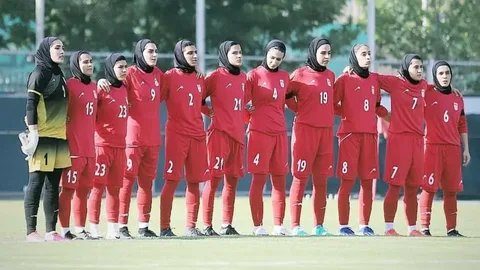
The Iran women soccer team arrived in Turkey on their way home after one of the most dramatic asylum crises in recent sporting history.
Five players withdrew their asylum bids and rejoined the team, leaving just two Iranian women still in Australia. The players flew from Sydney to Kuala Lumpur, then departed Malaysia for Oman before continuing their journey toward Iran.
The Iran women soccer team Turkey stopover was necessary because Iranian airspace has been closed since the ongoing conflict began.
Two players did not withdraw their iranian soccer team asylum claims and remain in Australia under government protection.
Background
The Iran women soccer team Turkey journey began thousands of kilometres away in Australia, where the team was competing in the AFC Women’s Asian Cup.
The tournament began on March 1, a day after the United States and Israel launched attacks on Iran that killed its Supreme Leader Ayatollah Ali Khamenei, as well as about 170 others including many military and political leaders.
The iran women football team matches took place under extraordinary mental and emotional strain. Players were thousands of kilometres from home as war consumed their country.
The iranian soccer team asylum crisis emerged within days of the first match.
Iran Women Soccer Team Turkey — The Journey
The Iran women soccer team Turkey transit through Istanbul marked the final leg of a chaotic journey home.
The squad spent several hours at Kuala Lumpur Airport checking in and waiting for their flight. They declined to speak to reporters. Some chatted while others used their phones. A lone player knelt several times and prayed on a mat before boarding the plane.
The team departed Malaysia for Oman, with Iran as their final destination. The departure was arranged by the Iranian embassy.
Turkey shares a land border with Iran and maintains open transit routes, making the Iran women soccer team Turkey route the only practical option available with Iranian airspace closed.
Iranian Soccer Team Asylum — What Happened
The iranian soccer team asylum story began with a moment of silence the world did not forget.
When the team took the field for their first match against South Korea, several players choked up visibly while the national anthem played and stood in silence. Fans and rights activists speculated it was an act of defiance. Three days later, against Australia, the players sang the anthem and saluted it — prompting fears they had been pressured to reverse their stance after backlash in Iranian media.
After Iran’s first game, five players approached Australian authorities with a request to seek asylum. Australia granted humanitarian visas to six players and one support staff member. Each was interviewed independently by the Australian Federal Police and made aware of their rights.
The reversals that followed shocked international observers.
An exiled former Iranian soccer player said the decisions came after intense and systemic pressure on the players’ families from Iran’s Football Federation. Several of the players decided to go back because the threats against their families became unbearable and the intimidation was relentless.
The mother of the team captain was threatened by Iranian security bodies including the Revolutionary Guards intelligence unit. A staff member within the squad passed on threatening messages from Iran’s football federation leadership to players who had sought asylum.
Family members of some players were reported missing. An Australian councillor stated that she personally knew families had been detained.
Five of the seven individuals who received asylum visas ultimately withdrew their iranian soccer team asylum claims. Two did not and remain in Australia.
Iran Women Football Team Matches — Asian Cup 2026
The iran women football team matches at the Asian Cup took place at Gold Coast Stadium in Queensland across three group stage games.
Iran played all their fixtures on consecutive match days against South Korea, Australia, and the Philippines. Their campaign ended when they lost their final group game against the Philippines and were eliminated from the competition.
The iran women football team matches became about far more than sport.
The high stakes made the Iranian regime sit up and pay attention and try to force their hand. Had these women quietly sought asylum without the publicity around them, it is possible the Islamic Republic officials might have simply allowed it to happen, as they have in cases of other Iranian sportspeople who defected in the past.
A GoFundMe campaign was launched to support the two players remaining in Australia. A local football club publicly offered them support and described them as elite footballers and passionate women who love the game.
Why Turkey Was Chosen as Transit
The Iran women soccer team Turkey route was not random. It reflects Turkey’s unique position in the current conflict.
Iranian airspace has been shut since the strikes began. Turkey shares a direct land border with Iran and maintains diplomatic and trade relations with Tehran, including natural gas imports.
Turkey has positioned itself as neutral throughout the conflict. Ankara has condemned the strikes on Iran as completely illegal while simultaneously insisting it is not a party to the conflict and pursuing de-escalation through diplomacy.
That neutrality is exactly what made the Iran women soccer team Turkey transit possible. Istanbul became the only viable stopover — open to both sides, hostile to neither.
Quotes
“When those players were silent at the start of their first match in Australia, that silence was heard as a roar all around the world.” — Australian Home Affairs Minister Tony Burke
“Several of the players decided to go back because the threats against their families became unbearable and the intimidation was relentless.” — Shiva Amini, Exiled Iranian former soccer player
“I know families have even been detained. I know family members are missing.” — Tina Kordrostami, Iranian-born Australian Councillor
“Iran welcomes its children with open arms and the government guarantees their security.” — Iranian First Vice President Mohammad Reza Aref
“These are deeply personal decisions, and the government respects the decisions of those that have chosen to return.” — Australian Assistant Immigration Minister Matt Thistlethwaite
Impact
For the players returning home, the Iran women soccer team Turkey arrival ends weeks of uncertainty but raises serious questions about what awaits them in Iran. Rights organisations remain deeply worried given the state media labelling of players as traitors during wartime.
For the iranian soccer team asylum issue, the two players still in Australia have been moved to an undisclosed safe location and are receiving government assistance. Their cases remain active and unresolved.
For the iran women football team matches and the sport more broadly, the episode has forced FIFA, the AFC, and football bodies worldwide to confront what obligations exist when players competing internationally fear their own government. Both FIFA and the AFC have stated they will monitor the returning players’ welfare through the Iranian football federation.
For Turkey, the Iran women soccer team Turkey transit underscores Ankara’s careful balancing act — quietly hosting a returning team from a country at war with its own NATO partners, saying nothing publicly, and ensuring the journey continues without incident.
FAQs
Why are Iranian soccer players returning to Iran?
The players returned because the Iranian regime threatened and detained their family members back home. The pressure became unbearable and they chose to face possible consequences at home rather than remain safely abroad while their relatives were targeted.
Why is Turkey not supporting Iran?
Turkey opposes the strikes on Iran but is not actively backing Tehran. Ankara fears refugee flows, Kurdish instability, and regional collapse if Iran destabilises further. Turkey is pursuing neutrality and ceasefire diplomacy rather than taking sides in the conflict.
Did the Iranian soccer team get asylum?
Australia granted humanitarian visas to six players and one staff member. Five withdrew their iranian soccer team asylum claims under reported threats and family intimidation. Two players kept their claims and remain in Australia under government protection.
Conclusion
The Iran women soccer team Turkey arrival closes one chapter of a story the world watched with equal parts admiration and grief.
When those players stood in silence as the national anthem played, that silence was heard as a roar around the world.
The iranian soccer team asylum crisis showed in real time how sport, war, and political persecution can collide — with players forced to make life-altering decisions while their families were used as leverage against them.
The iran women football team matches will be remembered not for scorelines but for what happened before the whistle blew.
For the two who stayed in Australia, the story continues. For those on the Iran women soccer team Turkey route home, the journey ends in Istanbul — and resumes in a country still at war.