

Why This Promise Is Different From the Last One
Election promises involving cash rarely disappear quietly, but they also rarely arrive on schedule. President Trump’s new midterm election promise, a $5,000 “dividend” for every adult American, is already drawing comparisons to a similar idea he floated in 2025 that went nowhere. This time the number is bigger, the stakes are tied directly to the midterms, and the gap between promise and plan looks just as wide.
The Political Logic Behind the Pledge
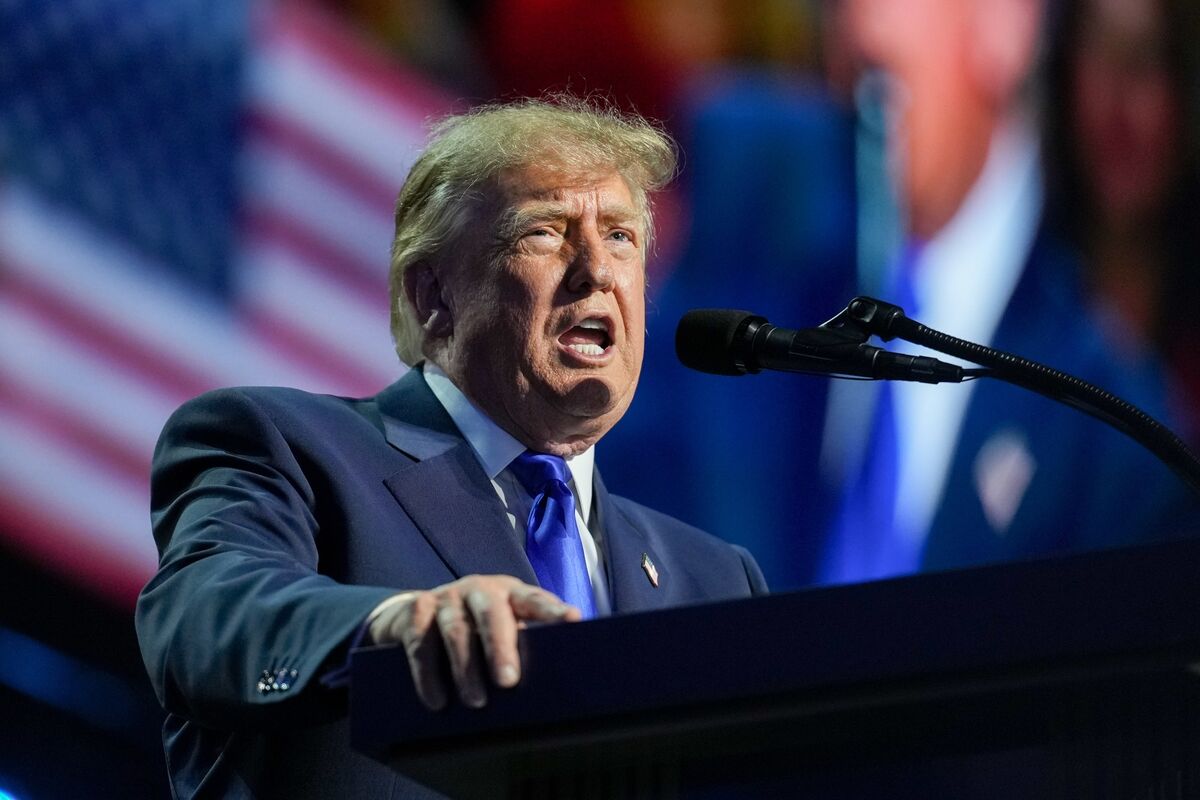
Trump unveiled the dividend at the Republican Party’s midterm convention in Dallas, a first-of-its-kind event built specifically to energize the GOP base ahead of November. Analysts covering the speech noted that Republicans are facing a tougher-than-usual midterm map, and a direct cash incentive gives candidates a concrete talking point on the campaign trail.
The strategy is straightforward. Instead of asking voters to trust abstract claims about economic growth, Trump attached a dollar figure they can picture landing in their own bank account. Whether that translates into votes come November is a separate question, but as messaging, it is hard to ignore.
Breaking Down the Cost
A flat $5,000 payment to every adult citizen would run somewhere between $1.2 trillion and $1.35 trillion, depending on which population figures are used. For comparison, that is close to the entire annual cost of Medicare. Numbers of that size do not move through Washington without a fight, regardless of which party controls Congress.
Trump has pointed to tariff revenue and general economic performance as possible funding sources, but neither claim has been backed by a specific budget document. Independent economists who track federal spending say tariff income alone would fall well short of covering a payment this large.
What Would Actually Need to Happen
A payment on this scale is not something a president can simply order into existence. Congress would need to pass legislation authorizing the spending, the Treasury Department would need a system to verify eligibility and distribute funds, and lawmakers would need to agree on where the money comes from.
Trump has drawn comparisons to two programs that did clear Congress: the child-focused “Trump Accounts” savings program, and the $1,776 “warrior dividend” bonus paid to military service members last year through an approved housing supplement. Both were smaller in scale and had a defined funding source before they were announced publicly. The $5,000 dividend, by contrast, was introduced as a speech line first and a policy proposal second.
Lessons From the 2025 Tariff Dividend
It is worth remembering how the earlier $2,000 proposal played out. Trump first mentioned it in late 2025, suggesting it would go to Americans of “moderate income” and be funded through tariff collections. Officials floated a rough timeline of sometime in 2026, before the midterms, but the plan never advanced past the talking stage. No legislation was introduced, and no checks were sent.
That history matters here. A pattern of announcing large payments without a clear legislative path makes it harder to judge how seriously to take the new $5,000 figure, even though the number itself is real and the promise was made on record at a major party event.
What Voters Should Watch For
The clearest sign this promise is turning into policy would be a bill introduced in Congress, complete with a funding source and an agency assigned to handle distribution. Until that happens, the dividend remains a campaign pledge rather than an active program. Voters weighing the promise heading into November may want to pay closer attention to what Republican candidates say about it locally, since congressional support would be required either way.
Markets have largely shrugged off the announcement so far, treating it as a conditional, unfunded proposal rather than a near-term fiscal event. That reaction alone says something about how Washington insiders are reading the pledge, even as it dominates headlines on the campaign trail.
Frequently Asked Questions
Is Trump’s midterm election promise of a $5,000 dividend guaranteed if Republicans win?
No. Trump tied the payment to a Republican sweep of the House and Senate, but winning the midterms alone would not automatically trigger the payments. A program this size would still need Congress to pass legislation authorizing the spending, along with a defined funding source and a distribution system through the Treasury Department. Winning control of Congress would make that legislative path possible, not guaranteed.
How does this promise compare to the 2025 tariff dividend proposal?
The 2025 proposal involved a smaller $2,000 payment aimed at Americans of “moderate income,” funded through tariff revenue, with a loose timeline of sometime in 2026 before the midterms. That plan never resulted in actual legislation or payments. The new $5,000 dividend is larger, applies to all adult citizens rather than a specific income group, and carries an explicit political condition tied to the midterm results, but it shares the same lack of a confirmed funding mechanism.
Why are economists skeptical about how the payment would be funded?
Economists point out that tariff revenue, which Trump has cited as a possible funding source, would not come close to covering a program that could cost over $1 trillion. Without a specific budget proposal, a defined revenue stream, or congressional action, the dividend remains a stated goal rather than a costed policy. Analysts also note that programs of this scale typically take months or years to move through Congress, well beyond the timeline suggested by an election-season speech.