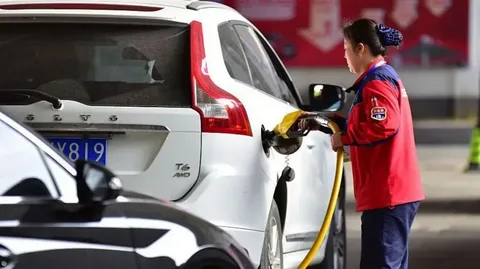
The oil price rise 2022 high threshold has been broken. Brent crude surged above $126 per barrel on Thursday the highest level since Russia’s full-scale invasion of Ukraine in early 2022 after a report that the US military has prepared a new wave of strikes on Iran to break the deadlock in negotiations.
The oil price hike came fast and sharp. Markets had already been climbing all week as peace talks stalled. The new military planning report pushed them over the edge entirely.
What Triggered Thursday’s Surge
The immediate trigger for the oil price rise 2022 high was a report that US Central Command has prepared a plan for a wave of “short and powerful” strikes on Iran aimed at breaking the negotiating deadlock with Tehran. The proposed strikes would target infrastructure, with a separate plan also under consideration focused on taking over part of the Strait of Hormuz to force it open for commercial shipping. The White House and CENTCOM did not immediately confirm or deny the report. But markets did not wait for confirmation. Brent crude jumped nearly 7% in Asian trading hours on Thursday morning the largest single-day move in weeks erasing any gains made from earlier ceasefire optimism.
Brent Crude Oil Price Where It Stands Now
The Brent crude oil price moved from $118 at Wednesday’s close to above $126 on Thursday morning a level that had not been reached since Russia’s invasion of Ukraine pushed energy markets into crisis in March 2022. WTI crude followed, trading above $114 per barrel. The oil price per barrel today trajectory this week alone tells the full story: Brent was at around $107 at the start of the week, jumped 6% on Wednesday after Trump vowed to maintain the naval blockade until Iran agrees to a nuclear deal, and then surged again on Thursday on the new strike briefing reports. Energy market analyst Vandana Hari of Vanda Insights summarised the market’s outlook bluntly: oil prices have “nowhere to go but up” until the reopening of the Strait of Hormuz comes into sight.
Trump’s Blockade Statement Choking Like a Stuffed Pig”
Wednesday’s 6% oil price hike came directly from Trump’s own words. In an interview, Trump said the US naval blockade of Iranian ports would continue until Tehran agreed to a nuclear deal. “The blockade is somewhat more effective than the bombing,” Trump said. “They are choking like a stuffed pig, and it is going to be worse for them. They can’t have a nuclear weapon.” In a meeting with top advisers, Trump told his team he wanted the blockade to continue and his team began laying groundwork for an extended closure of the Strait of Hormuz. The WTI oil price responded immediately, advancing nearly 7% on Wednesday to settle at $106.88 per barrel before Thursday’s further surge pushed the crude oil prices trajectory to levels last seen over three years ago.
Iran’s Response The Enemy Will Achieve Nothing”
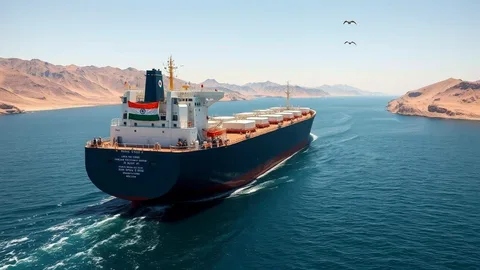
Tehran has maintained a public posture of defiance on the oil price hike and blockade combination. Iran’s Oil Minister Mohsen Paknejad dismissed the impact of the naval blockade, saying there is “no worry” about the steady supply and distribution of fuel inside Iran and urging the public to cut consumption as the country launches a broad energy conservation campaign. A top military adviser to Iran’s supreme leader went further, warning that if the blockade continues, “Iran will respond.” The Strait of Hormuz through which about one-fifth of the world’s energy normally passes remains effectively closed, with only single-digit numbers of tankers passing through on most days. The Brent crude oil price will stay elevated for as long as that waterway remains contested.
Energy Executives Meet Trump Alarm at Consumer Costs
The oil price rise 2022 high is not only a market story it is a domestic political problem for Trump. Energy executives met Trump on Tuesday to discuss ways to limit the war’s impact on US consumers, a meeting that itself fuelled further market concern about the scale and duration of the supply disruption. Gas prices in California have already hit above $8 per gallon at some stations a figure that draws inevitable political comparisons to the energy price crises of 2022. The prospect of prolonging the halt on Middle Eastern energy exports is weighing heavily on the global economy, which is already dealing with fuel shortages, rising inflation, and dampened consumer activity across every major region.
How Long Could This Last The Recovery Timeline
The structural damage from the crude oil prices surge is now being measured not in weeks but potentially in years. With the Strait of Hormuz effectively closed for more than two months, analysts say energy markets may take as long as a year to recover to normal supply and demand balances even after the strait reopens. Economists have warned that if the disruption extends into the second half of 2026, it could trigger a global recession. The WTI oil price and Brent trajectory will remain driven almost entirely by three variables: whether the Iran-US ceasefire holds, whether the Strait reopens, and whether Trump proceeds with the new military options currently being briefed to him. All three are unresolved as of Thursday morning.
The Highest Oil Price Ever For Context
To understand where the current oil price rise 2022 high stands historically, context matters. The all-time high for Brent crude oil price was reached in July 2008, when it hit $147.50 per barrel during the global commodity supercycle. The 2022 post-invasion peak was around $139 per barrel in March of that year before gradually declining. The current oil price hike has pushed Brent above $126 not yet the all-time record, but the highest in over three years and rising fast. If the Strait of Hormuz remains closed through summer 2026 and new US military action against Iran is launched, most analyst models project Brent could challenge or exceed the 2022 peak. The $140-plus level is now being discussed as a realistic near-term scenario rather than an extreme outlier.
Frequently Asked Questions
Why is the oil price going up right now?
The oil price rise 2022 high is driven by a combination of two simultaneous forces. First, the Strait of Hormuz through which roughly 20% of global oil and gas moves has been effectively closed since late February 2026 due to the US-Iran war. Second, new reports on April 30 that US Central Command has briefed Trump on fresh military strike options against Iran spooked markets, as traders priced in the risk of a renewed escalation that would keep the strait closed even longer. The oil price hike this week reflects a market repricing for prolonged disruption rather than the earlier assumption of a near-term diplomatic resolution.
What were oil prices in 2022 and how does today compare?
Brent crude peaked at approximately $139 per barrel in March 2022, shortly after Russia’s full-scale invasion of Ukraine. Thursday’s surge above $126 does not yet match that peak but represents the highest Brent crude oil price since that period making it the most significant oil price rise 2022 high comparison since the Ukraine war energy crisis. Before the Iran war began on February 28, 2026, Brent was trading near $73 per barrel. The roughly $53 per barrel increase since then represents a more than 70% price rise in just over two months.
What will oil prices be in 2026?
The crude oil prices forecast for 2026 now depends almost entirely on the Iran war outcome. If the Strait of Hormuz reopens by mid-year and a ceasefire holds, Goldman Sachs projects Brent averaging around $90 per barrel in Q4 2026 and falling toward $76 in 2027. If the blockade extends through summer and new US military action is launched as current reports suggest is being planned most major bank forecasts model Brent testing the 2022 highs of $135 to $140. Oxford Economics has modelled a scenario where sustained closure of the Strait pushes WTI oil price above $120 and triggers a global recession. The range of outcomes for oil price per barrel today and through the rest of 2026 has never been wider.