
Two important topics are making headlines this week one about a sacred Hindu temple in Pakistan drawing hundreds of thousands of pilgrims, and the other about safe sleep guidelines for babies that every parent should know. The three-day annual festival at the historic Hinglaj Mata Temple concluded on April 20, 2026, drawing around 300,000 Hindu pilgrims from across the country. At the same time, health experts continue to stress the importance of safe sleep for newborns, bassinet safety, and what co-sleeping risks mean for your baby.
Background: Where Is Hinglaj Mata Temple?
Many people recently searched: Hinglaj Mata temple recently seen in news is located in and the answer is Pakistan.
Hinglaj Mata Temple, also known as Hinglaj Devi, Hingula Devi, and Nani Mandir, is a Hindu temple located in Hinglaj, a town on the Makran coast in the Lasbela district of Balochistan, Pakistan. It lies in the middle of Hingol National Park.
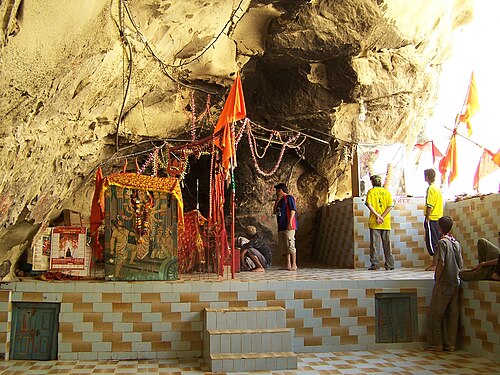
The sacred Hinglaj Mata Temple is situated inside a natural cave, surrounded by the Hingol River, rocky mountains, and desert terrain, making the pilgrimage both spiritually and physically challenging. Despite its remote location, it remains one of the most visited holy sites in South Asia.
It is one of the 51 Shakta Pithas in the Shaktism denomination of Hinduism, and one of the two Shakta Pithas in Pakistan. The other is Sharada Peeth in Azad Jammu and Kashmir.
Details: The Hinglaj Yatra Festival 2026
The three-day religious festival, which began on April 17 in the rugged mountains of Balochistan, has emerged as a powerful symbol of religious harmony and tolerance. It is considered the third-largest Hindu religious gathering after festivals in India and Nepal.
Thousands of devotees travelled to the temple on foot from various areas of Sindh, including Tharparkar, Umerkot, and Sanghar. Many completed journeys lasting up to 20 days, reflecting deep religious devotion.
The Shri Hinglaj Mata Welfare Mandli arranged a 24-hour “bhandara” (langar), ensuring an uninterrupted supply of food, cold water, sherbet, and tea for all attendees. Hundreds of volunteers worked alongside the Mandli officials to serve pilgrims.
The Balochistan government has also decided to declare the historic Hinglaj Mata Temple as a world tourism site, following a meeting between Chief Minister Sarfraz Bugti and Senator Danesh Kumar to discuss initiatives promoting minority religious tourism in the province.
Quotes: Officials Speak on Interfaith Harmony
Senator Daanesh Kumar, who attended the festival, described the temple as one of the most sacred sites in Hinduism. “The arrival of three times more pilgrims than last year is proof of interfaith harmony and Pakistan being a safe country,” he told the media.
Kumar added that the festival counters negative propaganda regarding minority rights in the country, saying the Hinglaj Mata Mandir festival “sends a clear message to the world that Pakistan respects and protects the rights of minorities and promotes interfaith harmony.”
Chief Minister Bugti stated that Balochistan is a land that embraces all nationalities and cultures, and that the Hinglaj Mata Temple stands as a symbol of the province’s rich heritage, history, and tolerance.
Safe Sleep Guidelines for Babies: What Every Parent Must Know
While the Hinglaj Mata Temple story highlights cultural harmony, a parallel topic that parents around the world search daily is safe sleep for babies. Whether you are looking for a safe sleep handout PDF, a safe sleep flyer, or the latest safe sleep guidelines for 1 year old babies here is what trusted health organizations recommend.
Safe Sleep for Newborns in Bassinet
Newborns should always sleep on their back on a firm, flat surface. A bassinet is one of the safest sleep environments for babies, provided it meets current safety standards.
Key rules for safe sleep for newborns in bassinet include keeping the sleep surface bare — no pillows, no soft bedding, and no bumpers. The bassinet should be placed in the same room as parents for at least the first six months, but on a separate surface.
Safe Sleep Environment for Babies
A proper safe sleep environment for babies follows the ABCs: Alone, Back, Crib. Baby should sleep alone, on their back, in a safety-approved crib, bassinet, or play yard.
Room temperature should be kept comfortable not too hot. Overheating is a known risk factor for Sudden Infant Death Syndrome (SIDS). A safe sleep flyer from pediatric organizations typically covers these basics in an easy-to-share format.
Safe Sleeping for Babies and Co-Sleeping
Safe sleeping for babies and co-sleeping is a topic that causes much debate. Major health bodies, including the American Academy of Pediatrics (AAP), advise against co-sleeping in an adult bed due to risks of suffocation and overlay.
Room-sharing keeping the baby’s safe sleep surface close to your bed is encouraged as a compromise. This reduces SIDS risk while making nighttime feeding more convenient.
Safe Sleep Guidelines for 1 Year Old
Parents often wonder: safe sleep until what age applies? The safe sleep guidelines for 1 year old babies largely remain the same back sleeping on a firm surface. However, once a baby can roll over on their own, repositioning them is not necessary.
After 12 months, some guidelines relax slightly, but a firm, flat, and clear sleep surface remains recommended. A safe sleep handout PDF from your child’s pediatrician can provide age-appropriate, localized guidance.
Safe Sleep Until What Age?
The question of safe sleep until what age comes up often. Most pediatricians recommend following strict safe sleep practices for at least the first 12 months of a baby’s life. Many guidelines extend this to 18 months, particularly around soft bedding restrictions.
SIDS risk peaks between 1 and 4 months of age and declines significantly after 6 months. However, safe sleep habits protect babies well into their toddler years.
Impact: Global and Regional Significance
The Hinglaj Mata Temple story has global relevance for two reasons. First, it highlights Pakistan’s complex and often underreported tradition of minority religious tolerance in Balochistan. Historical records show that Baloch tribal chiefs have long regarded Hindus as part of their extended family, and there is no history of forced conversions under these tribal custodians.
Second, the growing interest in the temple as a world tourism destination means better infrastructure, safer access, and greater international attention for this ancient site.
On the safe sleep side, the global push to educate parents about safe sleep for newborns in bassinet settings, avoiding co-sleeping risks, and following safe sleep guidelines for 1 year old children continues to save lives every year.
Conclusion: Faith, Safety, and Future Expectations
The Hinglaj Mata Temple‘s rising visibility in the news is a reminder of how faith and cultural heritage can serve as bridges between communities. There is a growing vision to expand facilities, improve accessibility, and accommodate an even greater number of pilgrims in coming years.
At the same time, safe sleep education remains one of the most impactful public health tools available to parents worldwide. Whether through a safe sleep handout PDF, a safe sleep flyer, or a simple conversation with a pediatrician the message is clear: safe sleep environments save lives.
FAQs
What percentage of SIDS is from unsafe sleep?
Research from the Centers for Disease Control and Prevention (CDC) and the AAP indicates that a significant majority of SIDS and sleep-related infant deaths estimated at over 50% are associated with unsafe sleep conditions such as soft bedding, co-sleeping on adult beds, side or stomach sleeping, and overheating. Eliminating these risks dramatically reduces a baby’s vulnerability.
What is the 3-3-3 rule for baby sleep?
The 3-3-3 rule is an informal guideline sometimes used to help new parents manage newborn sleep expectations: babies sleep about 3 hours at a stretch, wake 3 times a night, and this pattern may continue for the first 3 months. It is not an official medical guideline, but it helps parents plan for realistic nighttime schedules during the newborn stage.
What is unsafe sleep?
Unsafe sleep refers to any sleep situation that increases the risk of suffocation, entrapment, or SIDS. Examples include placing a baby on their stomach or side, using soft mattresses, pillows, or loose bedding in the crib, sharing an adult bed (co-sleeping), and allowing a baby to sleep in a car seat, swing, or inclined device for extended periods. A proper safe sleep environment for babies is always firm, flat, and free of soft objects.