
Pakistan’s government has made a landmark structural decision in its privatization in Pakistan agenda. The Public Private Partnership Authority (P3A) has been shifted from the Planning Division to the Privatization Division. This move is expected to improve coordination, transparency, and private sector participation across Pakistan’s vast privatization list.
The Breaking Development P3A Now Under Privatization Division
The government has decided that the Public Private Partnership Authority will fall under the Privatization Division instead of the Planning Division to ensure better coordination, institutional alignment, and improved efficiency in handling public-private partnership initiatives.
This is a significant shift in how privatization in Pakistan is being managed at the federal level. The Privatization Division, which already oversees the Privatization Commission Pakistan and manages the Ministry of Privatization list, will now have a much broader mandate. It will directly control PPP projects worth hundreds of billions of rupees.
The decision comes at a time when Pakistan is under intense economic pressure. The government is racing to reduce its public sector footprint by advancing privatization of DISCOs in Pakistan, ZTBL privatization, and several other state-owned enterprises on the privatization list Pakistan.
Background Why This Change Was Needed
For years, the P3A operated under the Planning Division, which created bureaucratic gaps between project planning and actual implementation. Ministries were reluctant to hand over projects to the private sector, while the Public Sector Development Programme struggled to keep up with Pakistan’s infrastructure needs.
Various ministries have been resisting giving up control of projects for implementation through private sector investment, while the Public Sector Development Programme struggles to meet development needs.
This resistance has slowed down the privatization in Pakistan process significantly. Whether it is the privatization of DISCOs in Pakistan, ZTBL privatization, or other entities on the Ministry of Privatization list, institutional friction has been the biggest obstacle. Moving P3A under the Privatization Division is designed to break that deadlock.
High-Level Meeting Who Was Present and What Was Decided
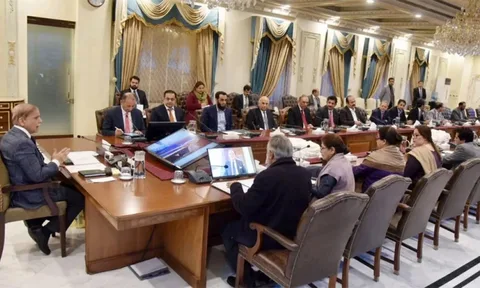
Minister for Economic Affairs Ahad Cheema presided over a high-level meeting to review key reforms proposed to the P3A law, aimed at improving governance, transparency, efficiency, and implementation mechanisms of PPP projects in Pakistan.
The meeting was attended by senior officials including the Advisor to the Prime Minister on Privatisation Muhammad Ali, Privatisation Division Secretary Hammad Shamimi, Privatisation Commission Secretary Usman Akhtar Bajwa, and the Law and Justice Secretary. This shows that the Privatization Division and the Privatization Commission Pakistan are now closely aligned on pushing reforms forward.
Prime Minister Shehbaz Sharif had constituted a committee led by Economic Affairs Minister Ahad Cheema to hold stakeholder consultations and work out comprehensive P3A reforms aimed at ensuring transparency, strong monitoring, and efficient implementation of PPP projects.
What the Reforms Will Actually Do
The proposed reforms go beyond just moving P3A under the Privatization Division. They touch every aspect of how privatization in Pakistan is planned, executed, and monitored.
The Cabinet Committee on Privatisation will be strengthened, while P3A will also focus on the implementation and execution of projects. This is a major upgrade. Previously, the Privatization Commission Pakistan handled the privatization list Pakistan while P3A managed PPP projects separately. Now both will operate under a unified Privatization Division framework.
The proposed changes will also include the development of a structured project pipeline and bidding mechanism to improve project planning and investor confidence. This directly addresses complaints from foreign and domestic investors who found Pakistan’s privatization process opaque and unpredictable.
A dedicated Project Development Facility is also being proposed. This facility will support the preparation and execution of viable PPP projects, ensuring that entries on the privatization list Pakistan are properly prepared before going to market a step that has been missing in past failed privatization attempts.
Privatization of DISCOs in Pakistan and Other Key Entities
The privatization of DISCOs in Pakistan remains one of the most politically sensitive items on the Ministry of Privatization list. Distribution companies (DISCOs) have been a massive burden on Pakistan’s national budget, causing circular debt to balloon into trillions of rupees.
With the Privatization Division now managing both the Privatization Commission Pakistan and P3A, there is greater institutional muscle to push through the privatization of DISCOs in Pakistan. The new framework including structured bidding, stronger monitoring, and a dedicated Project Development Facility gives the government better tools to attract credible buyers.
ZTBL privatization is another high-stakes item on the privatization list Pakistan. Zarai Taraqiati Bank Limited serves millions of farmers across Pakistan. ZTBL privatization has been discussed for years, but governance concerns have stalled the process. The new Privatization Division structure is expected to provide clearer oversight and faster decision-making for ZTBL privatization going forward.
The Privatization List Pakistan What’s Being Privatized
The privatization list Pakistan as overseen by the Privatization Commission Pakistan includes state-owned enterprises across energy, banking, transport, and industry. The Ministry of Privatization list currently includes entities in various stages of the divestment process.
Key projects already in execution under P3A include major motorway sections. Some of the prominent projects include two major sections of M-6 being implemented in the private sector, as well as the Kharian-Sialkot and Kharian-Rawalpindi motorways, and the Capital Development Authority Hospital.
P3A’s portfolio involves projects worth over Rs600 billion in the execution phase. This enormous portfolio now sits directly under the Privatization Division, which means faster decisions, better accountability, and less inter-ministerial conflict.
Expert View Is This Reform Enough?
The shift of P3A to the Privatization Division is being welcomed cautiously by economic analysts. Many argue that structural reshuffling alone will not fix privatization in Pakistan unless it is backed by political will.
The privatization of DISCOs in Pakistan, for example, has been announced and delayed multiple times. ZTBL privatization has been on the Ministry of Privatization list for years. Without firm timelines and protected from political interference, even the best restructuring of the Privatization Division will not deliver results.
The minister emphasised the government’s commitment to introducing constructive and forward-looking reforms that would strengthen institutional performance and ensure greater transparency and accountability in PPP projects.
However, past privatization in Pakistan efforts documented in numerous Privatization in Pakistan PDF reports show that commitments from the Privatization Commission Pakistan have often not translated into completed transactions. The Privatization Division will be judged not by restructuring, but by actual sales.
Impact What This Means for Pakistan’s Economy
The privatization in Pakistan agenda, if successfully executed, could significantly reduce the government’s financial burden. The privatization of DISCOs in Pakistan alone could save hundreds of billions annually in subsidies and bailout payments.
The proposed amendments will focus on streamlining access to land, electricity, and other utility facilities required for PPP initiatives, thereby facilitating smoother and faster project implementation.
For investors both local and foreign a reformed Privatization Division with clear processes, a structured Ministry of Privatization list, and transparent bidding mechanisms makes Pakistan a more predictable market. This could attract fresh FDI into projects on the privatization list Pakistan that have struggled to find buyers.
Business councils and chambers will also have an encouraged role in the development of project pipelines, which means the private sector will have a formal seat at the table when the Privatization Commission Pakistan and the Privatization Division design future projects.
Conclusion Is Pakistan’s Privatization Agenda Back on Track?
The decision to place P3A under the Privatization Division is the most significant structural reform to Pakistan’s privatization architecture in years. It brings together the Privatization Commission Pakistan, P3A, and the Ministry of Privatization list under one coordinated umbrella.
Whether this translates into completed privatizations including the privatization of DISCOs in Pakistan and ZTBL privatization remains to be seen. Privatization in Pakistan has a long history of promising starts and delayed finishes, as documented in every Privatization in Pakistan PDF review stretching back decades.
But the direction is right. If the Privatization Division delivers on its mandate and the Privatization Commission Pakistan moves decisively through the privatization list Pakistan, 2026 could mark a turning point for Pakistan’s economic reform story.
FAQs
What is the privatization policy in Pakistan?
Pakistan’s privatization policy aims to transfer state-owned enterprises to the private sector to reduce the government’s financial burden, improve efficiency, and attract investment. The Privatization Commission Pakistan manages the Ministry of Privatization list and oversees transactions, while the Privatization Division provides policy direction. Privatization in Pakistan covers sectors including energy, banking, transport, and agriculture with the privatization of DISCOs in Pakistan and ZTBL privatization being the most discussed current cases.
Is PIA going to be privatized?
Yes, PIA privatization remains on the privatization list Pakistan. Pakistan International Airlines has been loss-making for decades and is a priority on the Ministry of Privatization list. The Privatization Commission Pakistan has been working on restructuring PIA before a sale. However, the process has faced multiple delays due to legal challenges, liabilities, and lack of buyer interest at acceptable valuations. The strengthened Privatization Division is expected to give fresh momentum to the process.
What are the 4 private sectors?
The four broad private sectors typically referenced in economic frameworks are the financial sector (banking, insurance, investment), the industrial sector (manufacturing, production), the services sector (retail, hospitality, IT, healthcare), and the agricultural sector (private farming, agribusiness). In the context of privatization in Pakistan, the government is focused on transferring state-owned entities across energy, finance (including ZTBL privatization), transport, and infrastructure to these private sector categories through the Privatization Commission Pakistan and Privatization Division.