
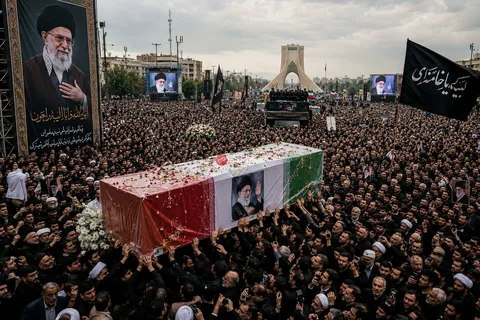
Tehran is in the middle of one of the largest public ceremonies Iran has seen in years, as the funeral of Ayatollah Ali Khamenei gets underway. Thousands of mourners have turned out for a multi-day procession that’s drawing religious leaders, government officials, and ordinary citizens from across the country.
The funeral marks a genuinely significant moment for Iran, which has now entered an official mourning period. Security across Tehran has been tightened considerably, and a number of public events have been put on hold while the ceremonies continue.
Some Background
The funeral follows the death of Iran’s Supreme Leader, Ayatollah Ali Khamenei, during the conflict that escalated earlier this year. In response, Iranian authorities declared a national mourning period and laid out plans for several days of ceremonies across multiple cities.
Things kicked off in Tehran before moving on to some of the country’s most important religious sites. Officials say the goal of these processions is to let citizens pay their respects while still keeping things orderly and secure.
Scenes From the Tehran Procession
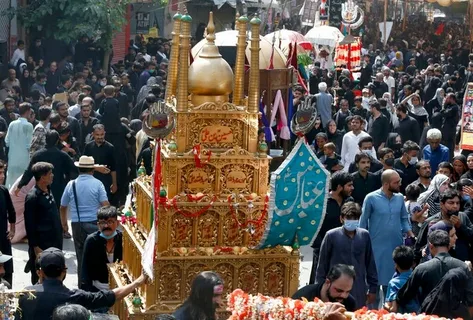
Huge crowds lined the streets of Tehran as the funeral procession made its way through the capital. Many mourners carried Iranian flags, religious banners, and portraits, joining in prayers and remembrance ceremonies along the route. State media has described it as one of the largest public gatherings the country has seen in recent years.
To manage it all, authorities shut down several roads and temporarily restricted parts of Tehran’s airspace. Security personnel have been stationed throughout the city to keep the crowds under control and maintain public safety.
Why This Ceremony Matters So Much
For many Iranians, this funeral carries weight that goes well beyond politics it’s deeply religious too. Funeral prayers and mourning ceremonies are being held at major religious centers before Khamenei’s eventual burial at the Imam Reza Shrine in Mashhad, one of the holiest sites in the country.
Millions of Shia Muslims consider the Imam Reza Shrine one of the most important pilgrimage destinations in the world. Its famous golden dome draws visitors from around the globe every year.
The Country’s Biggest Mosques and Religious Sites
With so much attention on the funeral, plenty of people have also been curious about Iran’s major religious landmarks more broadly.
The Grand Mosalla in Tehran, where the ceremonies began, is one of the country’s biggest prayer complexes and regularly hosts major religious and national events. Right now, it’s the central hub for all the mourning activity.
Beyond that, Iran’s other major Shia sites include the Imam Reza Shrine in Mashhad, the Shrine of Fatima Masumeh in Qom, and Shah Cheragh in Shiraz.
Mourning Spreads Across the Country
Cities all over Iran have organized their own memorial gatherings, public prayers, and mourning events.
Government buildings have lowered their flags, and many public offices have adjusted their schedules to accommodate the official mourning period. Religious scholars have also been encouraging people to take part peacefully in remembrance ceremonies.
Plenty of businesses and schools have made special arrangements while the funeral activities continue.
What Officials Have Said
Iranian officials have framed the funeral as a moment for national unity and remembrance.
Government representatives have thanked citizens for taking part peacefully and confirmed that security measures will remain in place for the duration of the ceremonies.
Religious leaders, meanwhile, have called on people to use the mourning period for prayer and reflection.
Eyes From Around the World
Given Iran’s regional influence and political weight, this funeral has drawn heavy international media coverage.
Several major news outlets are reporting live from Tehran, and foreign governments continue watching closely as Iran works through this leadership transition.
Analysts think the funeral could end up shaping future diplomatic conversations involving Iran and its neighbors.
Clearing Up a Few Common Mix-Ups
A number of people searching online have typed in phrases like “Khamenei mosque,” “Iran Mazar Sharif,” and “Golden Dome Iran” while trying to learn more about what’s happening.
Worth clarifying: Mazar-i-Sharif is actually a city in Afghanistan, not Iran. Meanwhile, “Golden Dome Iran” usually refers to the Imam Reza Shrine in Mashhad, one of the country’s most significant Shia religious sites.
As for “Khamenei mosque” that search is usually tied to locations connected with the funeral itself, though there isn’t a major mosque officially carrying that name.
What This Means for the Region
This funeral is expected to shape political and diplomatic conversations across the Middle East for some time.
Neighboring countries are watching closely as Iran moves into a new chapter following this leadership transition.
Security analysts also expect more scrutiny of Iran’s domestic policy and regional relationships in the months ahead.
Bottom Line
The funeral of Ali Khamenei has turned into one of the most significant public events in Iran this year, pulling thousands of mourners into Tehran and other religious cities. The ceremonies blend religious tradition, national mourning, and political symbolism at a pivotal moment in the country’s history.
As the processions continue and the official ceremonies wind down, attention is likely to shift toward Iran’s future leadership, its regional diplomacy, and whatever comes next politically.
Frequently Asked Questions
Did Ali Khamenei have a funeral?
Yes. Iranian authorities organized a state funeral that began in Tehran, complete with public mourning ceremonies attended by huge crowds, senior officials, religious scholars, and everyday citizens. The procession is set to continue through several important religious cities before Khamenei is finally buried at the Imam Reza Shrine in Mashhad.
How many people attended the Khamenei funeral?
Iranian authorities reported tens of thousands of people gathering in Tehran for the opening ceremonies, with more mourners expected to join processions in other cities as the week goes on. Exact numbers haven’t been officially confirmed, but it’s widely considered one of the largest public gatherings the country has seen in years.
What is the 40-day mourning period in Iran?
In Shia Islamic tradition, the 40-day mourning period is a significant religious observance held after someone’s death. Family, religious communities, and supporters come together for prayer and remembrance throughout that time. The fortieth day itself is often marked with special memorial events, reflecting both religious customs and cultural traditions observed across Iran and other Shia communities.