
The Awami Action Committee Azad Kashmir movement remains at the center of the region’s biggest political standoff in years. Also known as the Joint Action Committee Azad Kashmir, the group has organized repeated strikes, long marches, and shutdown calls across Muzaffarabad, Rawalakot, Mirpur, Bagh, and Kotli. The Azad Kashmir protest today continues to dominate headlines as the government and the committee remain locked in disagreement over a long list of political and economic demands.
Background of the Awami Action Committee Azad Kashmir Movement
The Awami Action Committee Azad Kashmir first came together as a grassroots coalition of traders, transporters, lawyers, and students. It emerged in response to rising electricity tariffs and expensive flour prices affecting ordinary households across the territory. Over time, the Awami Action Committee members expanded their focus far beyond economic relief.
What began as a local reaction to price hikes gradually turned into a structured political campaign. The Kashmir Action Committee demands grew into a detailed thirty-eight point charter covering everything from subsidized electricity to constitutional reform. This charter became the backbone of the Joint Action Committee Azad Kashmir’s negotiations with both the Azad Kashmir government and federal authorities in Islamabad.
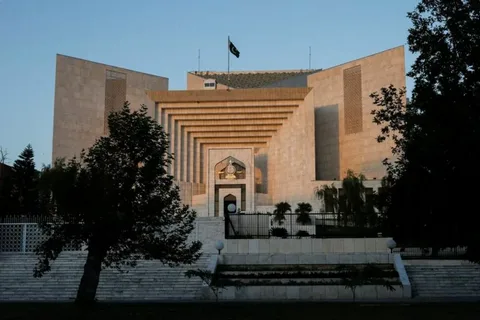
By mid-2026, tensions reached a new peak. The Supreme Court of Azad Jammu and Kashmir ruled that twelve legislative assembly seats reserved for refugees from Indian-administered Kashmir are protected under the constitution and cannot be removed without a formal constitutional amendment. This decision directly rejected one of the central Kashmir Action Committee demands and triggered a fresh wave of unrest.
Details of the Azad Kashmir Protest Today
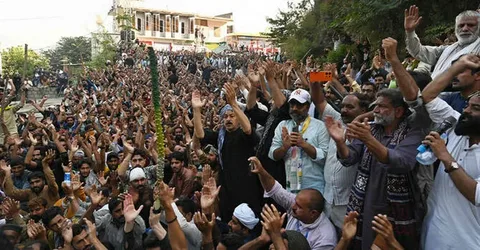
Following the court ruling, the Awami Action Committee Azad Kashmir announced a region-wide strike and long march toward Muzaffarabad. Markets, schools, and transport services shut down across several districts as members mobilized supporters. The Azad Kashmir protest today situation escalated further after the AJK government formally banned the group under anti-terrorism legislation just days before the planned demonstration.
Clashes between protesters and security forces broke out in Rawalakot and nearby towns. Reports indicate that at least eleven people lost their lives during the unrest, while dozens more, including police personnel, sustained injuries. Authorities imposed communication restrictions and deployed additional paramilitary forces in an effort to contain the situation.
The Awami Action Committee AJK members list includes representatives from trade bodies, transport unions, student groups, and civil society organizations across the territory. Unlike a traditional political party, the movement operates without a single formal leader, which analysts say has made it difficult for the government to negotiate a lasting settlement.
Official Statements and Quotes
Government officials have repeatedly defended the crackdown as necessary for maintaining public order. A senior security official briefed reporters that certain elements linked to the Joint Action Committee Azad Kashmir had allegedly received support from external actors, though the committee has firmly denied any such connection.
AJK Prime Minister Faisal Mumtaz Rathore acknowledged that the situation in the region was far from ideal and said the loss of lives during the protests carried a heavy human cost that could not be ignored. He maintained that his administration remained willing to engage in dialogue, even as legal action continued against several Awami Action Committee members accused of instigating violence.
For its part, the committee’s core leadership has consistently argued that most of its economic demands remain unfulfilled despite government claims of progress. Spokespersons have stated that dozens of promises made in earlier agreements were only partially implemented, fueling continued distrust between the two sides.
Regional and National Impact
The unrest linked to the Awami Action Committee Azad Kashmir has had a visible impact on daily life across the territory. Business activity, tourism, and educational institutions have all been affected by repeated shutdown strikes and communication blackouts. Traders have reported significant financial losses during each round of protests.
Beyond the economic disruption, the crisis has reignited a broader debate about governance and representation in Azad Jammu and Kashmir. Political commentators note that the Kashmir Action Committee demands touch on sensitive questions of federal versus regional authority, an issue that has long shaped politics in the region.
The controversy surrounding the twelve reserved refugee seats has also drawn attention at the national level in Pakistan, with mainstream political parties largely rejecting the committee’s proposal to abolish them. This has left the Joint Action Committee Azad Kashmir increasingly isolated from conventional political structures, even as its street-level support appears to remain strong.
Conclusion and Future Outlook
The standoff between the Azad Kashmir government and the Awami Action Committee Azad Kashmir shows little sign of a quick resolution. With legislative elections scheduled for later this year, both sides face pressure to reach some form of settlement before the political temperature rises further.
Analysts believe that unless meaningful dialogue resumes, further rounds of the Azad Kashmir protest today cycle are likely. The Awami Action Committee AJK members list continues to expand as more community groups align themselves with the movement, suggesting that public pressure on the government is unlikely to ease in the near term.
For now, the region remains on edge, with security forces on alert and the banned committee vowing to continue its campaign despite legal restrictions. The coming months will likely determine whether Azad Kashmir moves toward genuine reform or faces another cycle of unrest.
Frequently Asked Questions
What is the current status of Kashmir?
Kashmir remains a long-disputed Himalayan region divided between India and Pakistan, with a smaller portion also under Chinese administration. The Pakistan-administered side, known as Azad Jammu and Kashmir, functions as a semi-autonomous territory with its own prime minister, president, and legislative assembly, though significant authority still rests with Islamabad. In recent months, the region has faced heightened political tension due to the Awami Action Committee Azad Kashmir protests, court rulings on legislative representation, and ongoing negotiations between local and federal authorities over long-standing economic and constitutional grievances.
What are the demands of the Kashmir protest?
The Kashmir Action Committee demands cover both immediate economic relief and long-term structural reform. On the economic side, the group has called for lower electricity tariffs based on local hydropower production costs, along with subsidized wheat flour prices comparable to neighboring regions. On the structural side, the charter demands the removal of special privileges enjoyed by political elites and bureaucrats, along with the abolition of twelve legislative assembly seats reserved for refugees from Indian-administered Kashmir living elsewhere in Pakistan. The government maintains that a majority of these demands have already been addressed, while the committee insists that key structural issues remain unresolved.
Who are the members of the Awami Action Committee AJK?
The Awami Action Committee AJK members list is made up of representatives from trade associations, transport unions, lawyers’ groups, student organizations, and various civil society bodies across Azad Kashmir. The movement is intentionally structured as a leaderless coalition rather than a conventional political party, with core committee members coordinating strategy and public statements on behalf of the wider network. This decentralized structure has made it difficult for authorities to negotiate a single, binding settlement with the group.