
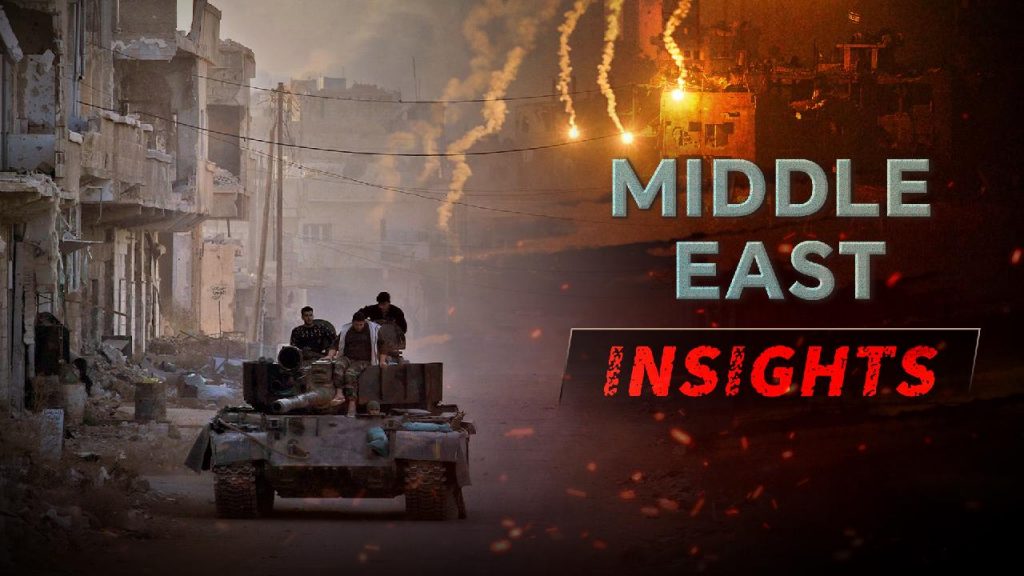
The Middle East conflict has entered a dangerous new phase this week, with the United States carrying out fresh waves of strikes on Iranian coastal and military targets. The renewed fighting follows the collapse of a ceasefire agreement that had briefly calmed the region. Officials in Washington, Tehran and Jerusalem are now signaling that this stage of the Middle East conflict could last far longer than earlier rounds.
Iran’s health ministry has reported dozens of casualties from the latest wave of American strikes, while Tehran claims to have hit US military assets across the Gulf. As the Middle East conflict today continues to escalate, oil markets, shipping lanes and diplomatic channels are all under mounting strain.
Background
To understand the current Middle East conflict, it helps to look at its origins. Tension between the United States, Israel and Iran has built for decades, but the most recent chapter traces back to June 2025, when Israel launched what became known as the Twelve-Day War, striking Iranian nuclear and military facilities. That confrontation ended in a ceasefire, but it did not resolve the underlying dispute over Iran’s nuclear program and its network of regional allies.
The Middle East conflict start of this current war came on February 28, 2026, when the United States and Israel launched a coordinated campaign of strikes across Iran. The opening attacks killed Iran’s Supreme Leader, Ali Khamenei, along with several senior military and intelligence officials. Iran responded with hundreds of missiles and thousands of drones fired at Israeli, American and Gulf state targets, according to reporting tracked by Britannica and Wikipedia’s ongoing conflict timeline.
A ceasefire was reached in early April, and a more formal memorandum of understanding was signed in mid-June by US President Donald Trump and Iranian President Masoud Pezeshkian. That agreement was meant to end hostilities and reopen the Strait of Hormuz to commercial shipping. It held only for a few weeks.
Details
By early July, the fragile truce had unraveled. Iran was accused of firing on commercial vessels near the Strait of Hormuz on July 6 and 7, prompting the United States to reinstate a naval blockade on Iranian ports. Washington also resumed direct military action, striking Iranian coastal defense systems, missile storage sites and command centers.
On July 15, US Central Command said it had completed a 90-minute round of strikes targeting Iranian coastal installations near Greater Tunb Island, part of a broader campaign to weaken Iran’s ability to threaten shipping through the strait. Iranian state media reported explosions in Bandar Abbas, Chabahar, Qeshm Island and several other southern cities.
Iran’s government said the latest wave of US attacks killed at least seven soldiers and injured dozens more, while separate figures from Iran’s health ministry put total recent casualties above 300 wounded. Tehran also claims to have struck back at American installations across the Gulf, though several of those claims remain unverified by independent sources.
The Middle East conflict countries directly involved now extend well beyond Iran, Israel and the United States. Lebanon has seen renewed fighting since Israel resumed operations against Hezbollah in March, displacing more than a million people according to United Nations estimates. Gulf states including Qatar, Bahrain, Kuwait and the UAE have all reported drone or missile activity in their airspace at various points during the war, and Jordan’s military said it intercepted Iranian ballistic missiles as recently as this week.
Gaza remains a separate but connected front. Israeli operations there have continued alongside the wider Middle East conflict, with strikes reported even as ceasefire talks involving Hamas proceed in parallel.
Quotes
Iran’s top negotiator, Mohammad Bagher Ghalibaf, said this week that the country now considers itself in an existential fight against the United States and that its forces have complete freedom to respond to what he called ongoing aggression.
Israeli Prime Minister Benjamin Netanyahu warned Iran’s leadership directly, saying the country should not expect restraint if it launches another attack on Israel, and that Israel is prepared for any scenario.
President Trump has taken a harder public tone as well, saying strikes on Iran will continue until he decides they should stop, and suggesting future targets could include the country’s power infrastructure and bridges if Tehran does not return to negotiations.
Impact
The economic and humanitarian toll of the Middle East conflict is significant and growing. Oil prices have climbed as the renewed US blockade disrupts traffic through the Strait of Hormuz, one of the world’s most important energy corridors. Kuwait has already declared force majeure on parts of its oil production, and shipping companies continue rerouting vessels away from the Gulf and Red Sea entirely.
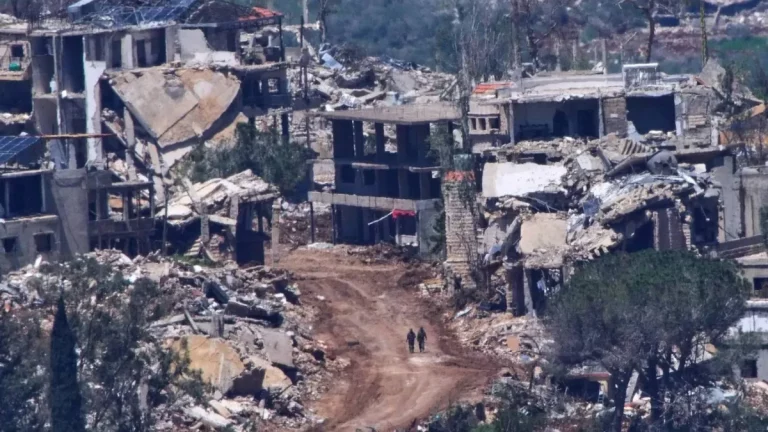
Inside Iran, the human cost has been severe. Human rights monitors have documented thousands of civilian casualties since February, along with widespread damage to residential buildings, hospitals and schools. Reconstruction estimates for damaged civilian infrastructure in Iran run into the billions of dollars and could take years to complete.
Regionally, the Middle East conflict has strained relationships between Gulf Arab states and both Washington and Tehran. Analysts note that continued Iranian strikes on neighboring countries are testing the patience of governments that have consistently pushed for a diplomatic resolution rather than open warfare.
In the United States, the war has become a political flashpoint. Lawmakers have debated emergency funding packages tied to the conflict, and reporting indicates the war’s cost to American taxpayers has already passed the $100 billion mark.
Conclusion
As the Middle East conflict live situation continues to shift day by day, the near-term outlook remains uncertain. The collapse of the June memorandum of understanding has removed the main diplomatic framework that briefly paused hostilities, and both Washington and Tehran currently appear more focused on military pressure than renewed talks.
Vice President JD Vance has suggested internal divisions exist within Iran’s leadership between those open to negotiation and hardliners resisting it, which could shape whether talks resume. For now, though, strikes, blockades and retaliatory attacks continue to define the Middle East conflict today, with no confirmed date for a new ceasefire attempt.
FAQs
Why are Iran and Israel fighting?
The current conflict between Iran and Israel is rooted in decades of hostility that intensified sharply after Israel’s Twelve-Day War against Iran in June 2025, which targeted Iranian nuclear and military facilities. Tensions escalated further in February 2026 when the United States and Israel launched a coordinated military campaign against Iran, citing concerns over Iran’s nuclear program, its ballistic missile capabilities and its support for armed groups across the region, including Hezbollah in Lebanon and militias in Iraq and Yemen. Iran, in turn, views these actions as acts of aggression against its sovereignty and has responded with missile and drone attacks on Israeli, American and allied targets throughout the region.
What is the main reason for the Middle East conflict?
At its core, the Middle East conflict centers on Iran’s nuclear ambitions, its missile program, and its network of regional allies, which the United States and Israel view as direct threats to regional stability and their own security. Repeated attempts to negotiate a new nuclear agreement after the collapse of the original 2015 deal failed to produce results, and both sides grew increasingly distrustful of one another. Add to this decades of underlying rivalry dating back to Iran’s 1979 revolution, and the current war reflects a combination of long-standing grievances and immediate security concerns that neither side has been willing to fully resolve through diplomacy.
What is the current situation now in the Middle East?
As of mid-July 2026, the Middle East conflict is in an active and escalating phase. A ceasefire and formal memorandum of understanding signed in June effectively broke down after Iran was accused of attacking commercial ships near the Strait of Hormuz, prompting the United States to resume both military strikes and a naval blockade. Iran has declared the peace agreement void and says it is now fighting what it calls an existential war against the United States. Fighting also continues in Lebanon between Israel and Hezbollah, while operations in Gaza remain ongoing. Regional oil markets and shipping routes continue to be affected, and no new ceasefire talks have been confirmed at this time.