
Defence Minister Israel Katz tells Pentagon chief Pete Hegseth that Israeli forces will remain in security zones to protect the country’s borders, despite reported US calls for a withdrawal.
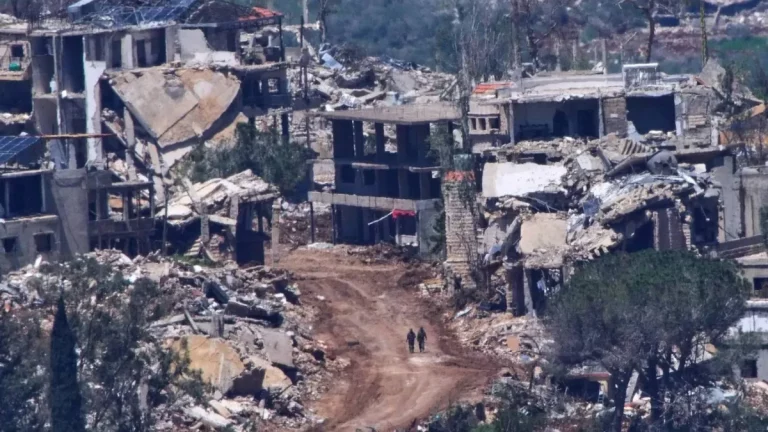
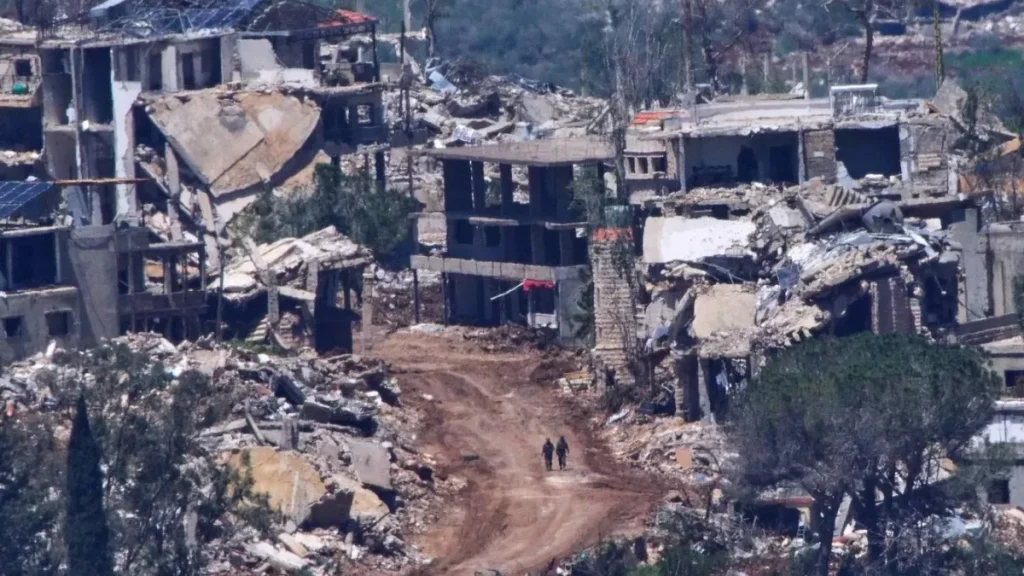
Israel’s Defence Minister Israel Katz has reaffirmed that Israeli forces will remain deployed in what the government describes as “security zones” inside Gaza, Lebanon, and Syria, despite reports that the United States has urged Israel to scale back its military presence.
According to a statement released by Katz’s office on Thursday, the defence minister discussed regional security during an overnight phone call with US Defence Secretary Pete Hegseth.
During the conversation, Katz stressed that Israel considers its military deployments essential for protecting communities near its borders from security threats.
“Israel is determined to remain in the security zones in Syria, Gaza and Lebanon in order to protect Israel’s borders and the communities near the border from the threats posed by jihadist forces,” the statement quoted Katz as saying.
He also emphasized that Israel intends to make its own security decisions, adding, “We have never asked the United States to act in our place along our borders.”
Reports of US Pressure
Katz’s remarks follow media reports that US President Donald Trump recently urged Israeli Prime Minister Benjamin Netanyahu to withdraw Israeli troops from parts of Syria and Lebanon.
According to Axios, citing a US official, Trump told Netanyahu that the continued Israeli military presence was contributing to regional tensions, particularly in Syria.
The report said Trump advised the Israeli leader that local authorities did not want Israeli forces to remain in those areas and encouraged a military redeployment.
Neither the White House nor Israeli officials have publicly confirmed the reported conversation.
Israeli Presence in Syria
Israel expanded its military presence near the Golan Heights following the overthrow of Syrian President Bashar al-Assad in December 2024.
Israeli forces subsequently entered a United Nations-monitored buffer zone separating Israeli and Syrian forces, arguing that the deployment was necessary to prevent armed groups from exploiting instability along the border.
The move drew international attention, with several countries expressing concern over the expanded military presence and calling for respect for existing ceasefire arrangements.
Regional Security Remains Tense
The issue comes amid continuing instability across the Middle East, with conflicts involving Gaza, cross-border exchanges with Lebanon, and ongoing security challenges in Syria.
Israeli officials have repeatedly stated that military deployments beyond their borders are intended to prevent attacks and respond to threats from armed groups operating near Israeli territory.
Meanwhile, international efforts continue to focus on reducing regional tensions through diplomacy while addressing the humanitarian and security challenges created by ongoing conflicts.
The differing public positions reported between Washington and Jerusalem underscore the complex discussions surrounding regional security strategy, even as both countries continue to describe their broader alliance as strong.