


Balochistan’s Security Operations Are Intensifying. Here’s Why
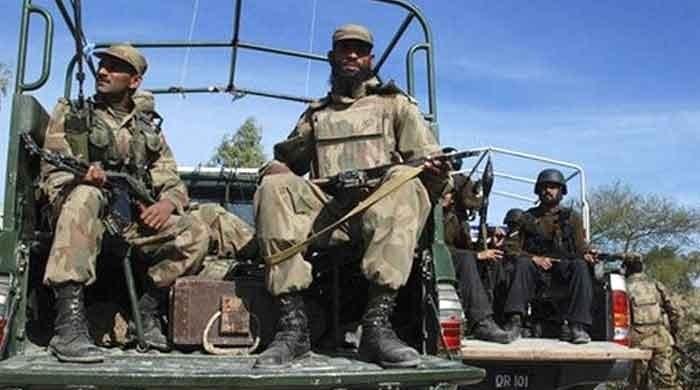
Eleven terrorists killed in Panjgur and Chagai. Twelve in Kalat two weeks earlier. Eleven more in Kharan and Washuk days after that. The pace of Pakistan’s counterterrorism operations in Balochistan has picked up sharply this September, and the numbers tell only part of the story.
The Immediate Trigger
Saturday’s operations in Panjgur’s Gwargo area and Chagai’s Aminabad and Siah Chang localities were carried out under Operation Radd-ul-Fitna 3. Five militants were killed in Panjgur, six in Chagai, and forces recovered weapons, ammunition and explosive material from both sites. Security sources linked the group to Fitna al-Hindustan.
A Province Where Attacks Keep Climbing
The backdrop matters here. Data from the Pakistan Institute for Conflict and Security Studies shows militant attacks in Balochistan rose from 83 in July to 89 in August, a seven percent jump in a single month. That trend has pushed security forces toward more frequent, more targeted intelligence-based operations rather than large sweeping campaigns.
Reading the Pattern
Looking at the last three weeks alone, a pattern emerges. Kalat on September 2. Kharan and Washuk days later, with nearly three tonnes of explosives seized. Fateh Ali, Panjgur and Dhadar Kachhi on September 18. Then Panjgur and Chagai again on September 19. That is five distinct operational clusters in under three weeks, spread across the province’s south and southwest.
The consistency of the recoveries, weapons, ammunition and explosives in nearly every raid, suggests these were not isolated cells but part of a wider network capable of resupplying itself. That is likely why officials keep describing these as intelligence-based operations rather than routine patrols; they depend on tip-offs precise enough to hit storage points before material moves elsewhere.
The Political Response
Interior Minister Mohsin Naqvi’s statement following the Panjgur and Chagai raids, pledging continued action against what he called enemies of peace, fits a broader pattern of officials framing each successful operation as evidence the campaign is working. Whether that holds up against the province’s rising attack numbers is a separate question worth watching in the months ahead.
What This Means Going Forward
If the July-to-August trend continues, Balochistan is likely to see both more attacks and more counter-operations before year’s end. The frequency of recent raids suggests security forces are trying to get ahead of the curve rather than simply responding after incidents occur. Whether that is enough to reverse the upward trend in attacks is something only the next few monthly assessments will show.
FAQs
What is the current security situation in Balochistan?
The security situation remains volatile, with militant attacks rising roughly seven percent between July and August 2026. In response, security forces have carried out at least five major intelligence-based operations across Kalat, Kharan, Washuk, Panjgur and Chagai within a three-week span, killing dozens of militants and recovering large quantities of weapons and explosives.
What are the main security forces in Pakistan?
The Pakistan Army and the Frontier Corps lead counterterrorism operations in Balochistan, working alongside provincial police and intelligence agencies. These forces conduct most raids as intelligence-based operations, acting on specific tips about militant locations rather than broad, unfocused sweeps.
Why are attacks increasing in Balochistan?
Officials and analysts point to a combination of factors, including cross-border militant support and the resilience of local networks capable of restocking weapons and explosives even after losses. The steady recovery of arms caches during recent raids suggests these groups maintain functioning supply chains, which is part of why security forces have shifted toward more frequent, targeted operations.