

Summary
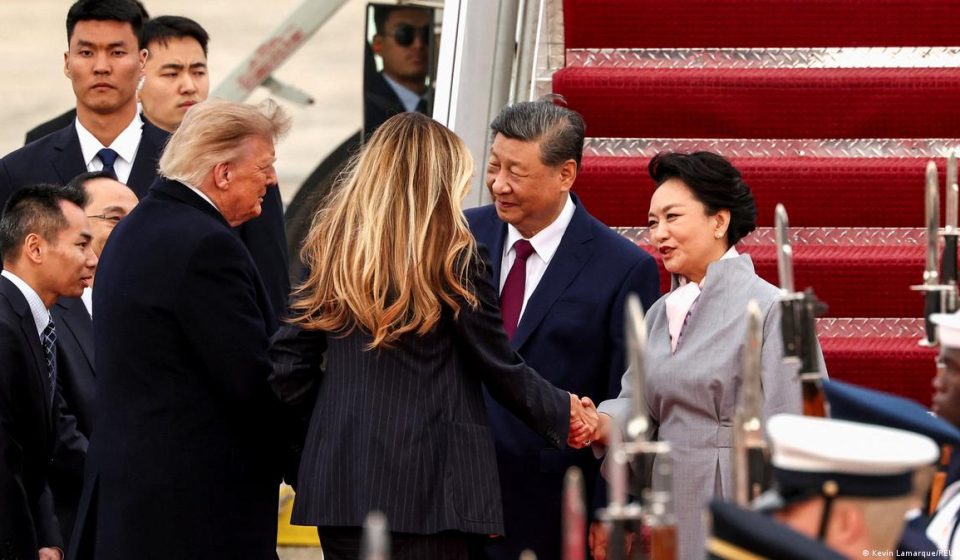
Behind the pageantry of Xi Jinping’s first Washington visit in over a decade, the underlying US-China summit produced more symbolic gestures than firm agreements. Xi’s visit was his first trip to the US capital since September 2015, arriving right after the pope, and it closed with a joint tour of America’s founding documents rather than a signed breakthrough deal.
Background
The Washington summit ran from September 23 to 25, 2026, marking the second head-of-state meeting between the two countries in the same year and the first Chinese state visit to Washington since 2015. The three-day itinerary included a Rose Garden military review, a bilateral meeting, a state dinner, and the closing National Archives tour.
Details
Trump and Xi first met on September 24 for an arrival ceremony on the State Floor of the White House, followed by a midday military review in the Rose Garden, an afternoon bilateral meeting, and an evening state dinner where both leaders delivered remarks. Discussions across the visit centered on trade, artificial intelligence and the Iran war.
On the economic front, Trump highlighted what he described as increased market access for US farmers and ranchers under a bilateral trade mechanism, while both leaders identified artificial intelligence as an area for future cooperation. Notably, Xi had been expected to bring his own delegation of Chinese CEOs, but that entourage did not fully materialize, with only a small group of executives arriving separately from Xi.
The trip’s final day pivoted to a lighter tone. September 25 opened with a private tea at the White House before both delegations moved to the National Archives to view the country’s founding documents, timed to align with America’s 250th anniversary commemorations.
Quotes
According to White House spokeswoman Anna Kelly, the Washington leg was framed as reciprocation for Xi hosting Trump in China earlier in the summer, describing it as a “reciprocal visit.”
Impact
Despite the elaborate schedule, the summit produced no sign of major breakthroughs between the two economies, drawing criticism from Senate Democrats who said Trump had not secured meaningful concessions on trade, security, AI or human rights. Taiwan emerged as a particular flashpoint: Xi has long sought a firmer US statement opposing Taiwan’s independence, moving beyond Washington’s decades-old position of simply not supporting independence. Lawmakers also pressed for faster delivery of already-approved military aid and arms sales to Taiwan, arguing Trump had not adequately addressed China’s military pressure on the island.
The choice of the archives as a closing venue carried its own undertone. Analysts suggested Xi may have been particularly interested in records tied to the 1979 US decision to switch diplomatic recognition from Taiwan to Beijing, underscoring how even the ceremonial elements of the visit touched on unresolved strategic questions.
Conclusion
The Washington summit will likely be remembered more for its optics — a joint archives tour, a lavish state dinner, and warm public remarks — than for firm policy shifts. With trade access and AI cooperation flagged only as future areas of work, and Taiwan tensions unresolved, both governments now face pressure to show that the summit’s symbolism can translate into substantive follow-through.
FAQs
What day is the Trump Xi summit?
The summit spanned September 23 to 25, 2026, with the central White House events on September 24 and the closing archives visit and departure on September 25.
Does Xi Jinping like Trump?
The two leaders publicly exchanged praise throughout the visit, including at the state dinner, but such statements are part of diplomatic protocol and don’t necessarily reflect a verified personal rapport.
Where is president Xi now?
Xi remained in Washington, DC through Friday, September 25, 2026, for the final events of his state visit before his delegation’s scheduled departure from Joint Base Andrews.