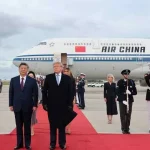
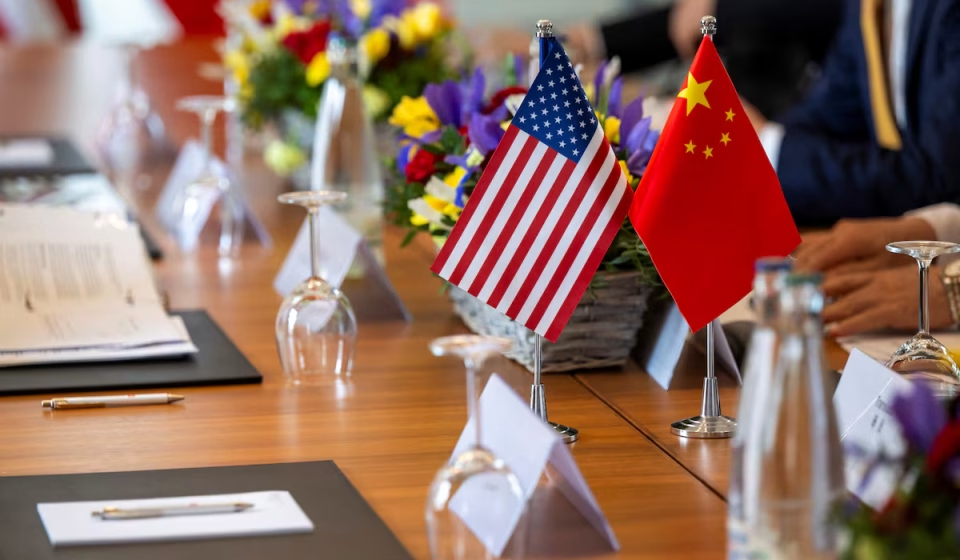

On the surface, the latest US-China trade truce extension looks like progress. Underneath it, the same unresolved fights over technology, rare earths, and Taiwan continue to shape a relationship that neither government is ready to fully repair or fully break.
The two-month extension to January 10 buys time, but time is not the same as a resolution. Here is what the extension actually changes, and what it leaves untouched.
Background: A Truce Built on Repeated Extensions
The current arrangement dates back to a meeting between Trump and Xi in Busan, South Korea, last October, where the two leaders agreed to a one-year trade truce. Since then, the deal has been extended more than once as both sides avoid letting tariffs snap back to their earlier, higher levels.
This pattern is not new. Earlier rounds of the trade dispute followed a similar rhythm of near-deadline extensions, each one framed as a step toward a larger agreement that has yet to materialize.
What the New Deadline Actually Covers
The extension keeps in place a suspension of certain tariffs that had been due to expire in November, giving both governments through January 10 to negotiate further. It preserves the broader framework agreed in Busan while leaving the door open for either a bigger deal or another simple rollover.
Notably, expectations before the summit had pointed toward a longer extension of six months or more, making the shorter two-month window a signal that significant gaps remain between the two sides.
The Unresolved Flashpoints
Three issues sit underneath every round of these talks. Rare earth supply, technology export controls, and Taiwan continue to strain the relationship even as both leaders avoid an outright rupture.
On rare earths specifically, Washington has pushed allies to reduce dependence on Chinese supply chains, framing Beijing’s export controls as leverage that needs to be countered collectively rather than bilaterally.
Taiwan remains the most politically sensitive issue. Chinese officials have used increasingly direct language warning that the island could become a flashpoint capable of destabilizing the broader relationship, a signal Washington cannot easily dismiss given its own domestic political pressures around arms sales to Taipei.
Reading the Officials’ Language
Bessent’s own comments reveal the uncertainty at the heart of the process. He acknowledged not knowing “whether a bigger deal can be done”, a notably cautious tone for an administration that has previously projected confidence about reaching a comprehensive agreement.
Chinese commentary, meanwhile, has emphasized mutual benefit and gradual improvement rather than a fixed resolution timeline, suggesting Beijing sees value in prolonging the current arrangement rather than rushing toward a final deal.
Why a Bigger Rupture Is Unlikely — For Now
Neither side appears willing to let talks collapse entirely. The economic cost of a full trade war restart, combined with the political optics of Xi’s high-profile Washington visit, makes near-term escalation unlikely, even if a lasting agreement stays out of reach.
That said, the shorter-than-expected extension window suggests both governments are managing expectations rather than building genuine momentum toward a comprehensive settlement.
Conclusion
The US-China trade truce extension is best understood as risk management, not resolution. It prevents an immediate tariff shock while leaving rare earths, technology curbs, and Taiwan exactly where they were before the summit. The next real test comes as January 10 approaches.
FAQs
Has the US made a trade agreement with China?
Only a temporary, repeatedly extended truce exists rather than a final trade agreement. The current framework, first reached in Busan in October last year, has been renewed multiple times, most recently to January 10, 2027. It caps tariff escalation and keeps certain trade flows moving, but core disputes over technology and rare earth exports remain unsettled, and officials have not committed to a timeline for a permanent deal.
Has the US-China trade war ended?
Not formally. Tariffs remain higher than pre-conflict levels, and both governments continue to use trade measures as leverage over unrelated disputes, including rare earth access and technology restrictions. The repeated truces function more as a ceasefire than a peace treaty, pausing further escalation while leaving the underlying disagreements — market access, industrial policy, and national security concerns — largely unresolved.
What happens if China dumps all US treasuries?
Economists generally see this as a low-probability, high-cost move for Beijing itself. Because China holds such a large volume of US debt, a rapid sell-off would likely push down the value of its remaining holdings while destabilizing global bond markets. Most analysts believe China would face significant self-inflicted financial damage, which is why gradual, incremental adjustments to its Treasury holdings have historically been far more common than a dramatic, one-time sale.