

Coalition Plans to Slash Temporary and Humanitarian Visas and Put Skilled Workers First
SYDNEY: Australia’s conservative opposition coalition has proposed slashing temporary and humanitarian visas while prioritising skilled workers in what it called the “biggest cut to immigration” in the nation’s history. Opposition Leader Angus Taylor announced the plan at a press conference on Tuesday. The Liberal-National Coalition would cut temporary visas by 650,000 over four years and bring annual net overseas migration down to 100,000 for two years, about one-third of the current level. The plan would only take effect if the Coalition wins the next election, which is due in 2028.
Background: Why Immigration Is a Hot Issue
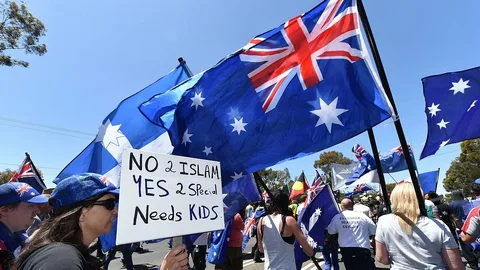
Immigration has become one of the most debated issues in Australia, mostly because of high living costs and housing shortages. Many voters say that population growth has put pressure on rents, house prices and public services. Anti-immigration rallies have also been held in major cities, including a large “March for Australia” event in Sydney in August 2025.
The Coalition, which has governed Australia for much of the post-war period, has been struggling in the opinion polls. According to AFP, it has slipped to third place behind the far-right One Nation party, which has become the most popular party in recent months. One Nation has promised to cut temporary migration by 750,000 over three years, so the Coalition’s new policy is widely seen as an attempt to win back voters.
Details: What the Coalition Is Proposing
Under the plan, net overseas migration would be held at 100,000 in the first year and 100,000 in the second year, and then rise to 160,000 in the fourth year. Net overseas migration stood at 306,000 in the year to June 30, 2025, although the numbers have been falling over the past two years. The proposed temporary visa cut of 650,000 would be spread over four years.
Humanitarian visa places would be halved to 10,000 a year. The plan would also cap international student enrolments at 240,000 and abolish the temporary graduate visa programme, which allows students to stay, study and work in Australia after finishing their degrees. At the same time, the Coalition says it would increase temporary skilled visas by 100,000 and clear a backlog of visa applications from construction workers.
Taylor said the government of the Labor Party had moved away from skilled migration towards what he called mass migration, and that the Coalition would reverse that shift. He also said the country needed “breathing space.” National Party leader Matt Canavan supported the plan and said it would help Australians take back their country.
Quotes: What the Leaders Said
“What we are proposing today is the biggest cut to immigration in the history of this country,” Taylor told reporters, adding that the policy would put Australia and its national interest first. In a separate remark reported by AFP, he said Australia should be “a home, not a hotel.”
One Nation leader Pauline Hanson reacted by saying that both Labor and the Liberals had been dragged into the immigration debate by her party. The ruling Labor Party has also said it will take a tougher approach to immigration, which means the issue is likely to remain central in the next election campaign.
Note for the writer: please add a verified comment from the government, a business group, a university body or an immigration expert if you can find one. Do not publish invented quotes.
Impact: Who Could Be Affected
The biggest impact would be on international students, temporary workers and refugees. Australia’s universities depend heavily on foreign students, and many businesses rely on temporary workers in areas such as construction, hospitality and healthcare. In earlier debates on immigration cuts, business groups have warned that deep reductions could hurt the economy, so that argument is likely to return.
For students and workers in South Asia, including Pakistan, the plan could mean fewer places and tougher rules if it becomes policy. Abolishing the temporary graduate visa would affect those who hope to gain work experience in Australia after their studies. Because the plan is a proposal from the opposition and not a law, nothing changes for now.
The proposal also shows a wider global trend, as governments in many countries are making immigration rules stricter in response to housing and cost-of-living worries. The politics inside Australia are also important, since the plan is aimed at competing with One Nation as well as with Labor.
Conclusion: What to Expect Next
The Coalition’s plan will now be debated by the government, the media and other parties. Labor is expected to respond with its own immigration measures, and universities and business groups may soon issue statements about the effect on their sectors.
With the election not due until 2028, the policy could still change several times. For now, it is a sign of how strongly immigration is shaping Australian politics, and further updates will follow as the debate continues.
Frequently Asked Questions (FAQs)
Who is the current opposition party in Australia?
The main opposition in Australia is the Liberal-National Coalition, which is a partnership between the Liberal Party and the National Party. The Liberal Party is the larger partner and is led by Angus Taylor, while Matt Canavan was described by AFP as the National Party leader at the time of this announcement. The Coalition is in opposition because the Labor Party formed the government after the last election. In politics, the opposition is the largest party or group in Parliament that is not in government. Its job is to question the government, offer alternative policies and prepare to govern if it wins the next election. Smaller parties such as One Nation and the Greens are also outside the government, but they are not the official opposition.
Who are the current opposition ministers in Australia?
In Australia, opposition ministers are called shadow ministers, and together they form the shadow ministry. They are not real ministers, but each one speaks for the opposition on a specific topic and challenges the government’s policies. When Angus Taylor announced his shadow ministry in February 2026, it included Jane Hume as deputy leader and shadow minister for employment and industrial relations, Tim Wilson as shadow treasurer and Jonno Duniam as shadow minister for home affairs and immigration. Andrew Hastie became shadow minister for industry and sovereign capability and deputy leader in the House of Representatives, and Ted O’Brien took the foreign affairs role. Reshuffles can happen, so readers should check the Australian Parliament website for the latest list.
Who is the current opposition leader?
Angus Taylor is the current Leader of the Opposition in Australia. He became leader of the Liberal Party in February 2026 after he challenged Sussan Ley in a leadership spill, and that also made him the opposition leader. Taylor, who represents the New South Wales seat of Hume, has said that economy, home ownership and immigration are his main priorities. The meaning of “opposition leader” is the head of the largest party that is not in government, and he is seen as the alternative prime minister. As for another common question, the Liberal Party of Australia is a centre-right party, and in Australia the word “Liberal” does not mean left-wing as it can in other countries