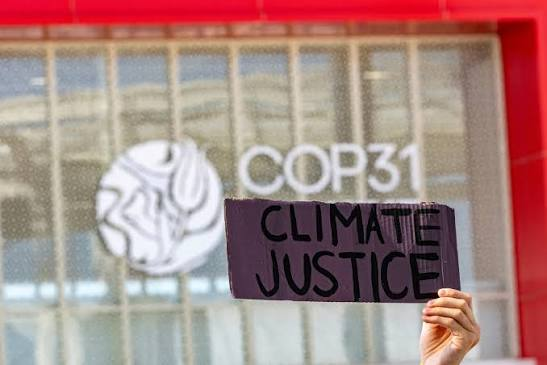

The COP31 draft deal released on Monday calls for accelerated action to phase out coal, oil and gas. Australia, a cohost of the summit, published the first draft of the broad political deal. Nearly 200 nations must approve the text before the Antalya climate summit closes on November 20.
Background: Why the COP31 Draft Deal Matters
The fight over a fossil fuel phase out did not begin in Antalya. At COP30 in Belém, more than 100 nations blocked language on fossil fuels, and the talks ended without a phase out plan. That unfinished business has now moved to the COP31 negotiations in Turkiye.
COP31 follows an unusual power sharing arrangement, with Turkiye hosting and Australia serving as president of negotiations. This explains why the Australian team, led by Climate Change Minister Chris Bowen, produced the draft. The UN climate talks now depend on whether governments can agree on one shared text.
Expectations were already mixed before the summit began. Reports from Australia said the COP31 agenda was focused mainly on electrification, adaptation and climate finance. The fossil fuel question stayed on the table anyway, and the draft puts it back at the centre.
Details: What the Draft Text Says
The most closely watched part of the COP31 draft deal is its language on fossil fuels. The draft calls for accelerated action to phase out fossil fuels, including an immediate transition away from them in energy systems. Many observers see this as a stronger signal than the outcome of last year’s talks.
The draft also addresses the Paris Agreement 1.5 degree target. It expresses deep concern over the impending breach of the 1.5 degrees Celsius limit and recognises the central role of the best available science from the IPCC. Europe and many climate vulnerable developing nations had pushed for that reference.
Adaptation Finance Takes Centre Stage
Money is the second major theme of the COP31 draft deal. The text calls for tripling finance for climate adaptation in developing countries to at least $120 billion, a key demand of those nations. Adaptation finance pays for defences such as flood protection, resilient farming and early warning systems.
The figure builds on a decision from the previous summit. Nations at COP30 agreed to call for tripling adaptation finance over the Glasgow goal of $40 billion, but moved the target date from 2030 to 2035. Developing countries now want firmer commitments attached to that promise.
A Draft, Not a Final Agreement
It is important to read this document carefully. The text lays out the competing positions of governments in Antalya, and it shows how far apart they remain, with a consensus deal due by Friday. Any sentence can still change or disappear before the final vote.
Australia wants an overarching political statement that sums up what countries agreed in Antalya and sets the course for future climate action. Such a statement would carry political weight, but it would still need approval from every party in the room.
Quotes and Reactions
Officials have been cautious about the fossil fuel language. Chris Bowen has described the fossil fuels transition as a “challenging issue.” He has also signalled a pragmatic approach to winning a deal, which suggests the wording may be debated line by line.
Funding remains a sensitive point. The European Union has warned that there would be no political will for extra funding pledges at COP31. That position could collide with developing countries that see higher adaptation finance as the minimum for a fair outcome.
Pakistan has raised its own priorities at the summit. Prime Minister Shehbaz Sharif called for grant based finance and resilience funding for climate vulnerable countries, according to Dawn. Pakistan’s position reflects a wider South Asian concern about loans that add to national debt.
Impact: What This Means for the World and South Asia
Globally, the COP31 draft deal tests whether governments can turn years of warnings into specific action. A clear fossil fuel phase out message could influence energy investment, national climate plans and future UN climate talks. A weak final text would disappoint countries that have waited since Belém.
For South Asia, the stakes are practical. The region faces floods, heatwaves and water stress, so adaptation finance is not an abstract topic. Readers following regional developments can find more coverage on the South Asian Chronicle homepage, including related reporting on energy and the environment.
The economic backdrop is difficult. The summit takes place amid a conflict driven energy crisis and geopolitical tensions that have tempered expectations. Governments worried about fuel prices may resist a fast fossil fuel phase out, even as scientists urge quicker cuts.
Conclusion: What Happens Next
The next few days will decide whether the COP31 draft deal survives intact. Ministers will negotiate the fossil fuel phase out wording, the adaptation finance target and the reference to the Paris Agreement 1.5 degree target. Observers will watch for any bracketed sections that signal disagreement.
If countries reach consensus by Friday, the Antalya climate summit could end with a stronger political message than COP30 managed. If not, the debate will carry into future UN climate talks. For continuing updates, visit South Asian Chronicle and follow our world news coverage.
Frequently Asked Questions About the COP31 Draft Deal
What is the COP31 draft deal?
The COP31 draft deal is the first version of a broad political statement released by Australia, which leads the negotiations in Antalya. It summarises what countries are discussing, including a faster fossil fuel phase out, adaptation finance and the Paris Agreement 1.5 degree target. It is a proposal for now, and nearly 200 nations must agree on the final wording.
Does the draft ban fossil fuels?
No. The text calls for accelerated action to phase out fossil fuels and for an immediate transition away from them in energy systems. That is a political call, not a legal ban. Each country would still decide how and when to change its own energy mix, and the final language may be softened during negotiations.
How much adaptation finance does the draft propose?
The draft calls for tripling finance for climate adaptation in developing countries to at least $120 billion. This builds on the COP30 decision to triple the earlier $40 billion goal. Developing nations see this as a key demand, while some wealthy economies, including the EU, have warned about limited appetite for new funding pledges.
Why is the 1.5 degree target mentioned?
The Paris Agreement set 1.5 degrees Celsius as a key limit for global warming. The COP31 draft deal expresses deep concern that this limit is about to be breached. The reference also stresses the central role of IPCC science, a point many European and climate vulnerable countries wanted included in the final text.
When will the COP31 negotiations finish?
The Antalya climate summit closes on November 20, and a consensus deal is due by Friday. Talks at these summits often run late, so the schedule may shift. Until all parties approve the text, the COP31 draft deal remains subject to change, and any section can be removed or rewritten.