
Pakistan India dialogue has received a small but meaningful push after Climate Change Minister Musadik Malik travelled to New Delhi. He attended the SCO Civilisational Dialogue Forum, a multilateral event that brought regional representatives together. Direct talks between the two neighbours remain close to zero, so this visit has drawn wide attention across South Asia.
Background: Why Pakistan India Relations Remain Frozen
Pakistan India relations have been under heavy strain for a long time. Last year’s armed conflict between the two states deepened the mistrust and left a toxic atmosphere across the region. Since then, formal bilateral engagement has almost stopped, and public rhetoric on both sides has stayed sharp.
In such conditions, even a routine multilateral meeting becomes politically important. Observers say that whenever Pakistani and Indian representatives meet, even on the sidelines of a larger gathering, hope for a thaw returns. That is why the presence of a Pakistani minister in the Indian capital was noticed so closely.
Details: What Happened at the SCO Civilisational Dialogue Forum
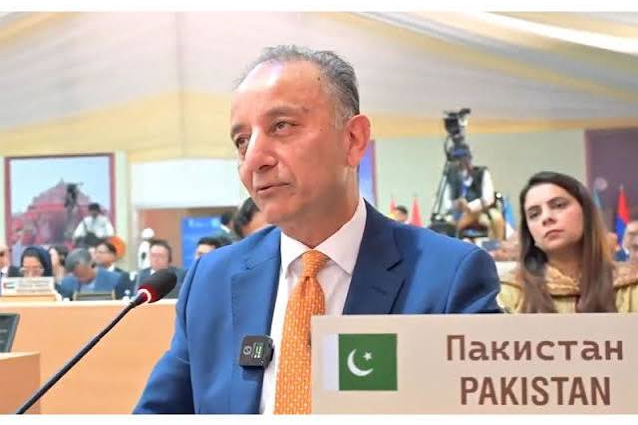
Musadik Malik attended the SCO Civilisational Dialogue Forum in New Delhi as Pakistan’s representative. The event was multilateral, so no one expected a bilateral breakthrough. Still, the fact that the visit took place at all, despite the present state of ties, was seen as a significant development.
During the forum, the minister raised the issue of climate change in South Asia and warned that it threatens the whole region. He also spoke about the shared civilisational bonds that connect South Asia and Eurasia. These bonds, according to commentary on the visit, have become hostage to the rigidity of some actors, particularly in the subcontinent.
Questions from the Indian Media
The minister also faced pointed questions from Indian journalists. Many of them focused on terrorism, which is often the first topic raised by New Delhi when Pakistan comes up. Other questions were about the Indus Waters Treaty, a subject that has become a major irritant in Pakistan India relations.
Mr Malik handled these questions calmly and made his position clear. He said he had come to India for an SCO event, not for a bilateral negotiation. If Indian officials wished to discuss terrorism and other irritants, he said, Pakistan would respond to each point directly, because Pakistan also has its own concerns.
Quotes and Statements: The Message from Islamabad
The message from the Pakistani side was measured and consistent. Mr Malik stressed that dialogue must be two sided, and that concerns should be heard from both capitals. His approach was to answer hard questions without turning the forum into a platform for confrontation.
Pakistani commentary on the visit has echoed this line. It says there is no viable alternative to peace in South Asia, and that only structured dialogue can address the concerns of both states. It also argues that Indian officials should stop issuing threats and avoid adversarial language, while Pakistan remains ready to defend itself if it is threatened.
Impact: What This Means for South Asia Peace
The immediate impact of the visit is symbolic rather than diplomatic. No agreement was announced, and there are no signs that the deep freeze in bilateral relations will end soon. However, such engagements can lower the temperature and reduce confrontational rhetoric, which is a useful first step.
The regional impact could be larger over time. Climate change in South Asia does not respect borders, and floods, smog and heat waves affect both countries. A shared approach to these threats could create a practical reason for talking, even while political disputes remain unresolved. The Pakistan India dialogue may therefore start with environmental cooperation before moving to harder subjects.
Behind closed doors, forums like the SCO event also allow small steps. Officials can exchange messages, test ideas and clear misunderstandings without media pressure. These quiet contacts have often prepared the ground for larger talks in the past, and analysts believe they remain valuable now.
Conclusion: A Cautious Hope for Pakistan India Dialogue
The visit of Musadik Malik to New Delhi shows that the door to Pakistan India dialogue has not closed completely. It will not end years of mistrust, but it keeps a line of communication alive at a very difficult time. The subcontinent’s people, who want peace rather than permanent conflict, have the most to gain.
Pakistan has said it is ready for a civil, frank and respectful conversation whenever India is prepared for one. The next test will be whether New Delhi responds with a similar tone. If both sides continue to meet in multilateral settings, the chances of a wider structured dialogue and lasting South Asia peace will slowly improve. For more regional coverage, visit South Asian Chronicle.
Frequently Asked Questions (FAQs)
1. What is the SCO Civilisational Dialogue Forum?
The SCO Civilisational Dialogue Forum is a multilateral event linked to the Shanghai Cooperation Organisation. It brings together representatives from member states to talk about shared history, culture and common regional challenges. This year’s edition was held in New Delhi, and Pakistan took part through Musadik Malik. Because it is not a bilateral meeting, it offers a lower pressure setting where rival states can sit in the same room.
2. Why is the Pakistan India dialogue important right now?
The Pakistan India dialogue matters because bilateral engagement is almost nonexistent after last year’s armed conflict. Without talks, small disputes can grow into larger crises, and public rhetoric can harden further. Even limited contact at multilateral events helps reduce tension. It also keeps open the possibility of a structured process that could address water, security and trade concerns in the future.
3. What did Musadik Malik say about climate change in South Asia?
Musadik Malik told the forum that climate change threatens the entire region, including both Pakistan and India. He also pointed to the civilisational bonds that connect South Asia and Eurasia. His argument was that shared environmental risks give both countries a strong reason to cooperate, regardless of their political differences.
4. How did Pakistan respond to questions on terrorism and the Indus Waters Treaty?
When Indian media asked about terrorism and the Indus Waters Treaty, Mr Malik answered each question directly. He said he was in India for an SCO event, and that if India wished to discuss terrorism and other irritants, Pakistan would respond on those points. He added that Pakistan also has its own concerns, which should be discussed in the same dialogue.
5. Can this visit improve Pakistan India relations?
The visit alone is unlikely to change Pakistan India relations quickly, and there are no signs of a thaw in the near term. Its value lies in keeping communication channels open and softening the language between both sides. If more such meetings follow, and if both governments show restraint, they could slowly build the trust needed for formal talks and long term South Asia peace.