
Summary
Europe is approaching a crucial period of political change as several major countries prepare for elections between late 2026 and the end of 2027. The results could reshape leadership across the European Union (EU), influence its policies and create new challenges for cooperation among member states.
Spain is scheduled to hold an early general election on November 29, while France, Italy and Poland are expected to face major political contests in 2027. The growing influence of nationalist and eurosceptic parties has increased attention on how the next wave of elections could affect Europe’s future direction.
Background: Why Europe Is Facing a Major Political Test
The European Union is entering a period in which national elections could have consequences far beyond individual countries. The political direction of major member states often influences decisions on trade, migration, defence, financial support and relations with neighbouring regions.
The upcoming electoral cycle is particularly important because several large EU economies are expected to experience leadership changes or intense political competition. These developments could alter the balance of power within European institutions and affect how quickly the bloc responds to international challenges.
Public concerns about the cost of living, housing, immigration and economic uncertainty have become central to political debates. Traditional political parties are facing pressure from voters who want stronger action on domestic problems and a different approach to European integration.
Details: Major Elections That Could Shape Europe
Spain’s Snap Election Could Change the Political Balance
Spain will begin the latest electoral cycle with an early general election on November 29, 2026. The vote is expected to be closely watched as Prime Minister Pedro Sánchez’s political position faces pressure from conservative and right-wing opponents.
Immigration, housing affordability and the country’s economic direction have become important issues during the campaign. The conservative People’s Party and the right-wing Vox party are seeking to strengthen their influence, potentially changing the country’s political leadership.
The result could also influence Spain’s approach to European cooperation, migration policy and defence commitments. A change in government would be significant for the EU because Spain has been an important voice in debates over social policy and regional stability.
France Presidential Race 2027 Could Have the Biggest Impact
France is expected to hold its presidential election in April and May 2027, making it one of the most closely watched political contests in Europe. The outcome could influence the future of European integration, the bloc’s budget and its approach to international security.
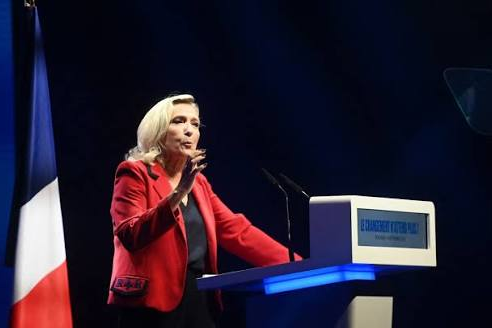
Marine Le Pen and her National Rally party have been promoting a stronger focus on national sovereignty and reducing the influence of EU institutions. Their proposals include changes to France’s financial contribution to the bloc and a different approach to European enlargement.
France holds considerable influence within the EU because of its economic strength, diplomatic role and position in European defence. A major political shift in Paris could therefore affect negotiations among member states and create uncertainty over the bloc’s long-term priorities.
The growing political debate in France is also connected to wider public concerns. Recent France youth protests have highlighted issues such as living costs, education and public services, which may remain important during the election campaign.
Italy and Poland Could Strengthen Nationalist Influence
Italy is also expected to hold parliamentary elections before the end of 2027. Prime Minister Giorgia Meloni’s political position could face pressure from groups seeking a tougher approach to immigration and European cooperation.
The political debate in Italy may influence the country’s relationship with Brussels, particularly on migration, defence and financial policy. The outcome could determine whether Rome continues to support existing European arrangements or pushes for further changes.
Poland will also face a major parliamentary election in 2027. The contest is expected to involve competing visions of the country’s future relationship with the EU, with pro-European and nationalist political groups seeking greater public support.
Poland’s position is especially important because of its role in regional security and support for Ukraine. A change in political leadership could affect European discussions on defence cooperation, financial assistance and relations with Russia.
Smaller EU Countries Will Also Play an Important Role
Elections in Estonia, Finland, Greece and Slovakia are expected to add to the political uncertainty across Europe. Although these countries have smaller populations than France, Italy or Spain, their governments can still influence important decisions within EU institutions.
Estonia and Finland are particularly important in discussions about European security and relations with Russia. Greece and Slovakia may also shape debates on migration, economic policy and support for Ukraine.
The combined results of these elections could influence the balance of political views within the European Council. This may make it more difficult for EU leaders to reach agreements on sensitive issues.
Political Impact: Could the European Union Face Decision-Making Delays?
The rise of nationalist and eurosceptic parties has raised concerns about the future of European cooperation. These parties generally favour giving national governments greater authority and reducing the influence of central EU institutions.
If several major countries elect leaders with similar positions, they could coordinate their policies and make it harder for the bloc to reach common decisions. This does not automatically mean the EU would stop functioning, but negotiations could become more complicated.
European defence is another major issue that could be affected. As countries debate their security priorities, disagreements over military spending and cooperation may influence the bloc’s ability to respond to international threats.
The wider debate over NATO, European defence and great-power rivalry shows why political unity has become increasingly important for Europe’s security and diplomatic position.
Global Impact: What the Elections Could Mean for the World
The European elections could have consequences for countries beyond the continent. The EU is a major trading partner and an influential actor in global diplomacy, financial markets and international security.
Changes in European leadership could affect trade agreements, migration policies and cooperation with countries in Asia, Africa and the Middle East. Governments around the world will be watching how the next political leadership approaches international partnerships.
Ukraine is another important issue. European governments have played a major role in providing financial and military support, while disagreements over future funding could influence the country’s long-term security.
The elections may also affect relations between Europe and the United States. Different political priorities among European leaders could influence discussions on defence spending, NATO cooperation and the future of transatlantic relations.
European Budget and Ukraine Funding Remain Key Issues
European leaders will need to continue negotiations over the bloc’s long-term budget and financial support for Ukraine. These discussions are already challenging because member states have different priorities regarding spending, economic development and defence.
A more divided political landscape could make it harder to reach agreements on funding. Countries that favour lower spending may push for stricter financial controls, while others may seek greater investment in regional development and security.
The UK-EU summit and closer ties with Brussels also reflect the importance of maintaining cooperation across Europe, even as political priorities continue to change.
Conclusion: Europe Enters a Defining Political Period
The Europe elections 2027 cycle could become one of the most important political periods for the European Union in recent years. Spain’s upcoming vote and the expected elections in France, Italy and Poland may reshape leadership and influence the bloc’s future direction.
The rise of nationalist parties does not guarantee a breakdown in European cooperation, but it could make negotiations more difficult. The ability of EU leaders to maintain dialogue and reach practical agreements will be essential as the continent faces economic, security and diplomatic challenges.
The coming months will provide a clearer picture of whether Europe moves toward closer cooperation or a more nationally focused political approach.
Frequently Asked Questions
1. Why are the Europe elections 2027 considered important?
The elections are important because several major EU countries are expected to choose new leaders during the same period. Their results could influence European policies on migration, defence, trade, financial support and relations with other countries. Changes in leadership may also affect how quickly the EU can make decisions on shared challenges.
2. Which European countries are expected to hold major elections in 2027?
France, Italy and Poland are among the major countries expected to hold elections in 2027. Other EU member states, including Estonia, Finland, Greece and Slovakia, are also expected to participate in the electoral cycle. The results across these countries could influence the political balance within European institutions.
3. How could France’s presidential election affect the European Union?
France is one of the EU’s most influential members because of its economy, diplomatic position and role in European defence. A change in political leadership could affect the country’s approach to EU funding, enlargement, migration and support for Ukraine. France’s position may also influence negotiations among other European governments.
4. What role could nationalist parties play in the upcoming European elections?
Nationalist and eurosceptic parties are seeking greater influence in several European countries. They generally support stronger national control over policies and want to reduce the authority of EU institutions in certain areas. If they gain power in more countries, they could influence European decisions and make some negotiations more challenging.
5. Could the upcoming elections weaken European cooperation?
The elections could create additional pressure on European cooperation if governments adopt conflicting positions on important issues. However, political disagreements do not necessarily mean that the EU will become unable to function. Cooperation will depend on whether leaders can negotiate compromises on shared priorities, including security, economic stability and financial assistance.