
Summary
The Khyber Pakhtunkhwa crisis has developed into a major political and constitutional challenge for Pakistan, bringing questions about democracy, security and provincial autonomy into the national debate. The suspension of the elected provincial government and the introduction of governor’s rule have created uncertainty about the province’s political future.
At the same time, rising security concerns and discussions about the province’s mineral resources have added further pressure. The situation has raised an important question: how can Pakistan address serious governance and security challenges while protecting democratic representation and constitutional rights?
Background: A Province Facing Multiple Challenges
Khyber Pakhtunkhwa has been dealing with political tension and security problems for several years. Its location along the Afghan border has exposed the province to militant activity, cross-border tensions and the wider consequences of regional instability.
Relations between the federal government and the provincial leadership have also remained difficult. Differences over security policy, administrative performance and political authority have created a growing divide between Islamabad and Peshawar.
The crisis entered a new phase in October 2026, when emergency measures were introduced and governor’s rule was imposed. The move brought the province’s political administration under a different structure and intensified the debate over the authority of elected representatives.
The federal government has defended its position by pointing to security concerns and the need for stronger coordination. Opposition leaders, however, have questioned the decision and raised concerns about the constitutional status of the provincial government.
Governor’s Rule and the Constitutional Debate
What Has Changed in Provincial Administration?
The introduction of governor’s rule has significantly changed the political environment in Khyber Pakhtunkhwa. The provincial administration is now operating under an arrangement that gives the governor and federal authorities a greater role in decision-making.
A technocratic advisory structure has also been introduced to manage government affairs. Supporters of the arrangement argue that experienced administrators can help improve coordination and address urgent problems.
However, critics believe that replacing elected leadership with an administrative structure creates serious questions about democratic accountability. They argue that governance is not only about managing departments but also about representing the people who voted for a particular government.
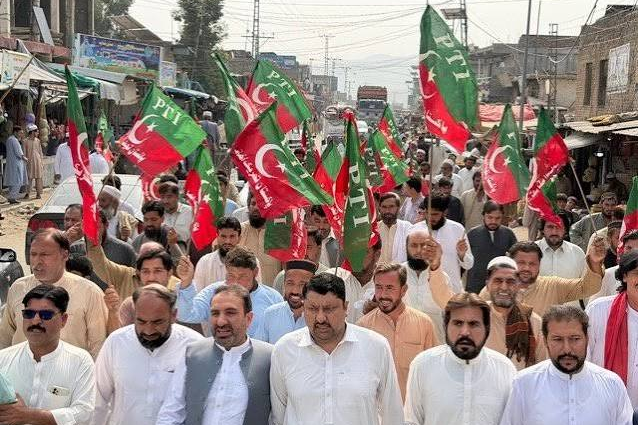
The issue has become especially sensitive because PTI has maintained a strong electoral presence in the province. Any major change in its political authority is therefore likely to remain a subject of public and constitutional debate.
Why Constitutional Safeguards Matter
Pakistan’s Constitution provides specific procedures for dealing with extraordinary circumstances. Articles 232 and 234 are particularly relevant to emergency situations and the functioning of provincial governments under exceptional conditions.
These provisions are intended to provide a legal framework for difficult situations. Their implementation, however, must remain subject to constitutional requirements and appropriate oversight.
The current debate is not limited to whether federal intervention is legally possible. It also concerns how such intervention should be used, how long it should continue and what safeguards should protect elected representation.
The future of the province will depend partly on how these constitutional questions are addressed through legal and political processes.
Security Concerns Remain at the Centre of the Crisis
Rising Militancy and Public Safety
Security remains one of the most serious challenges facing Khyber Pakhtunkhwa. The province has experienced attacks on security personnel, police officers and civilians, particularly in areas affected by militant activity.
The growing frequency and intensity of attacks have created fear among local communities. Many residents continue to face uncertainty about their safety, while businesses and public services in affected districts struggle to operate normally.
The security situation cannot be treated as a political talking point alone. It directly affects families, education, employment and the ability of people to live without fear.
A sustainable response requires effective intelligence sharing, professional policing, stronger border management and cooperation between federal and provincial institutions.
Security Policy Needs Political Cooperation
The federal government and provincial authorities may disagree on several issues, but their responsibilities toward public safety remain closely connected.
When political confrontation becomes more important than coordination, security operations can become more difficult. Differences over policy should therefore be addressed through structured discussions rather than prolonged public disputes.
The province also needs support for rehabilitation, education and economic development in areas affected by violence. These measures can help strengthen public confidence and reduce the conditions that allow militancy to take root.
For more context on the relationship between political confrontation and security, readers can explore our article on Terrorism and Politics in KP: Why the Delay?.
Mineral Resources and the Question of Provincial Rights
Why KP’s Natural Wealth Has Become a Sensitive Issue
Khyber Pakhtunkhwa has considerable mineral potential, including marble, granite, limestone, gypsum and gemstones. There are also discussions about the presence of valuable minerals that could attract investment and support industrial development.
The province’s natural resources could create employment, increase revenue and improve local infrastructure. However, the way these resources are managed has become a sensitive political issue.
Concerns have emerged over whether decisions about mineral extraction will remain under meaningful provincial control. These concerns have become more prominent following the introduction of governor’s rule and renewed federal interest in mineral investment.
The debate is not simply about mining. It is about ownership, transparency and whether local communities will benefit from the resources located in their areas.
Investment Should Be Transparent and Accountable
Mineral development can contribute to economic growth, but it must be based on clear rules and public accountability.
Local communities should receive information about mining agreements, environmental safeguards and employment opportunities. Provincial institutions should also have a meaningful role in decisions involving natural resources.
Investment projects must not create the impression that political changes are being used to transfer control over valuable assets. Transparent procedures can help reduce mistrust and encourage responsible economic development.
The long-term success of mineral projects will depend on whether they benefit ordinary residents rather than only a limited group of investors or political stakeholders.
Federalism and the Debate Over New Provinces
Can Administrative Changes Solve Governance Problems?
The crisis in Khyber Pakhtunkhwa has also renewed discussion about creating smaller provinces and reorganising Pakistan’s administrative structure.
Supporters of new provinces argue that smaller administrative units could improve service delivery and bring government closer to the people. They believe that large provinces often struggle to manage resources and public services across distant districts.
Critics, however, warn that changing provincial boundaries may not solve deeper governance problems. They argue that stronger local governments, better financial management and accountable institutions may be more effective than simply creating additional provinces.
The debate is closely connected to the question of provincial autonomy. Any major administrative restructuring must consider the constitutional rights of existing provinces and the concerns of their residents.
Readers can also explore our coverage of the Pakistan New Provinces Debate to understand the wider discussion about administrative reform and provincial boundaries.
The Importance of Local Government
One of the central issues in Pakistan’s governance debate is the role of local government. Provincial autonomy is important, but citizens also need access to decision-making at the district and community levels.
Local governments can help address everyday problems such as water supply, sanitation, roads, education and healthcare. They can also make public spending easier to monitor.
If political leaders want to improve governance, strengthening elected local institutions should remain a priority. Administrative restructuring alone cannot guarantee better services unless authority and resources reach the people who need them.
Political Legitimacy and Public Confidence
Why Public Representation Matters
The Khyber Pakhtunkhwa crisis has highlighted the relationship between governance and political legitimacy.
A government may introduce administrative reforms or announce development projects, but public confidence also depends on whether people believe their political choices are being respected.
For many residents, the current situation raises concerns about representation and the future of their elected institutions. These concerns may become more serious if political disputes continue without a clear constitutional resolution.
Pakistan’s political history shows that administrative control cannot always replace public trust. Sustainable stability requires institutions that are accountable, representative and responsive to citizens.
Dialogue Could Help Reduce Tensions
Political dialogue offers a possible way to move beyond the current confrontation. Federal authorities, provincial stakeholders and opposition representatives could use negotiations to discuss security responsibilities, constitutional questions and the future of provincial administration.
Such discussions would not require every political party to agree on every issue. They would simply require a commitment to resolving disputes through peaceful and constitutional means.
A broader political understanding could also help restore cooperation between government departments and reduce uncertainty for residents and businesses.
The priority should be to create a process that protects public safety while ensuring that political disagreements do not permanently weaken democratic institutions.
Regional and National Impact
The situation in Khyber Pakhtunkhwa has implications for Pakistan beyond provincial politics.
Security challenges in the northwest affect the country’s broader counterterrorism efforts and its relationship with Afghanistan. Instability can also influence trade, investment and regional cooperation.
At the national level, the crisis has renewed debate about the balance of power between the federal government and the provinces. The way the situation is resolved could influence future discussions about emergency powers, provincial autonomy and democratic governance.
A peaceful and constitutional settlement would help strengthen public confidence. On the other hand, prolonged political confrontation could deepen mistrust and create further uncertainty across the country.
Conclusion
The Khyber Pakhtunkhwa crisis is not simply a dispute between political parties. It involves serious questions about security, constitutional authority, provincial rights and the future of democratic governance in Pakistan.
The province needs effective security measures and better administration, but these objectives must be pursued alongside constitutional safeguards and public accountability.
The management of mineral resources, the role of elected representatives and the future of provincial administration will remain important issues in the coming months.
A lasting solution will require cooperation between federal and provincial stakeholders, transparent decision-making and a commitment to protecting the rights of citizens. Khyber Pakhtunkhwa’s stability is essential not only for its residents but also for Pakistan’s wider political and economic future.
Frequently Asked Questions
1. What is the Khyber Pakhtunkhwa crisis?
The Khyber Pakhtunkhwa crisis refers to the political and constitutional dispute surrounding the province’s administration, security situation and relationship with the federal government. The introduction of emergency measures and governor’s rule in October 2026 intensified the situation. The crisis has raised concerns about provincial autonomy, democratic representation and the authority of elected institutions.
2. Why was governor’s rule introduced in Khyber Pakhtunkhwa?
The federal government has defended governor’s rule by pointing to security concerns and the need for stronger coordination in the province. Officials have argued that extraordinary circumstances required a different administrative arrangement. However, opposition leaders have questioned the decision and raised concerns about its constitutional implications and impact on the provincial government’s elected mandate.
3. How does the crisis affect the people of Khyber Pakhtunkhwa?
The crisis can affect residents through political uncertainty, concerns about security and possible disruptions in public administration. Communities already facing militant violence may experience additional difficulties when political disagreements delay decisions or weaken coordination. People need stable institutions, reliable public services and a peaceful environment to support education, employment and local economic activity.