A New Chapter of History at the Doorstep of the U.S. Senate
Dr. Abdul El-Sayed’s Historic Victory Could Make Him America’s First Muslim U.S. Senator
A Rehman Patel
Some elections do more than decide who will occupy a political office. They reveal how a society is changing and who is beginning to find a place at the table of power.
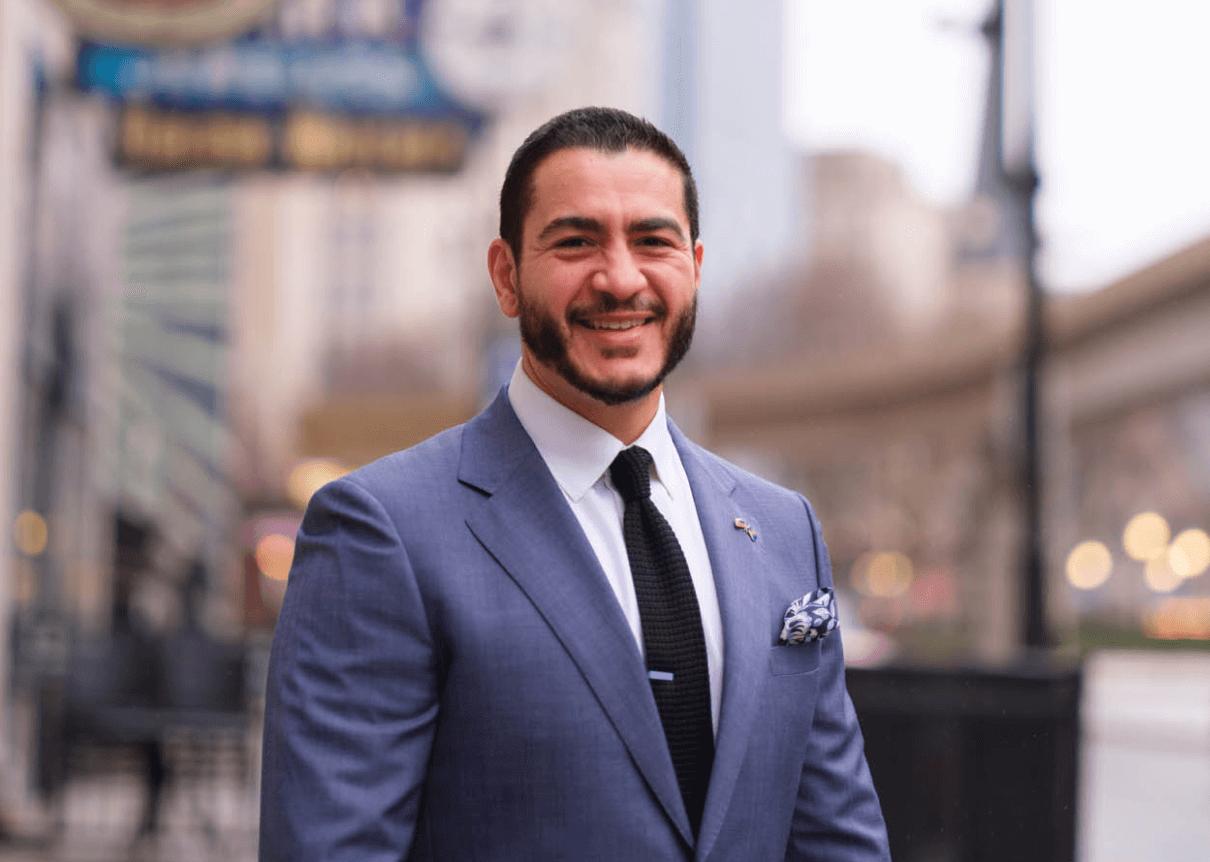
Dr. Abdul El-Sayed’s victory in Michigan’s Democratic primary for the U.S. Senate is one such moment.
After a highly competitive and closely watched primary, El-Sayed defeated Congresswoman Haley Stevens to secure the Democratic nomination for the U.S. Senate. He will now face Republican nominee and former Congressman Mike Rogers in the November general election.
The race carries significance far beyond Michigan.
If elected in November, Abdul El-Sayed would become the first Muslim U.S. Senator in American history, opening a new chapter in the political representation of Muslims and immigrant communities in the United States.
That possibility has already drawn national attention to his candidacy.
El-Sayed’s personal story reflects an important part of the American experience. Born and raised in Michigan, he is the son of an Egyptian immigrant father. He studied at the University of Michigan, became a Rhodes Scholar at Oxford University, earned his medical degree from Columbia University, and went on to build a career as a physician, epidemiologist and public health leader.
He also served as Executive Director of the Detroit Health Department and has remained active in public health, government and public policy.
His primary victory is particularly notable because it came after an intense and expensive political contest. El-Sayed built a strong grassroots campaign based on volunteers, community organizing and direct engagement with voters across Michigan.
But the most difficult battle may still lie ahead.
Michigan remains one of America’s most important political battleground states, where Democrats and Republicans frequently compete within narrow margins. The November Senate election could therefore have implications not only for Michigan but also for the balance of power in the United States Senate.
Yet it would be a mistake to view El-Sayed’s candidacy only through the lens of his Muslim identity.
There is a larger American story here.
Across the United States, children and grandchildren of immigrants are no longer contributing only as doctors, engineers, entrepreneurs, academics and professionals. Increasingly, they are entering public service, legislatures and the institutions where national policies are shaped.
The son of an Egyptian immigrant is now standing at the doorstep of the United States Senate.
For Pakistani Americans, Arab Americans, South Asians and other immigrant communities, his journey carries an important message, particularly for the younger generation.
Political representation does not come simply from wishing for a seat at the table. It requires education, community service, voter participation, civic engagement and the willingness to enter the democratic process itself.
The final verdict, of course, belongs to Michigan voters in November.
El-Sayed faces a formidable Republican opponent, and victory in a battleground state cannot be taken for granted. Hope should not be confused with certainty.
But one chapter of history has already been written.
Abdul El-Sayed has secured the Democratic nomination for the U.S. Senate from Michigan, placing him within reach of another potentially historic milestone.
The question now moves from the primary campaign to the voters of Michigan:
Will Michigan send the first Muslim Senator in American history to the United States Senate?
If the answer is yes, it will be more than a personal victory for Abdul El-Sayed. It will mark another expansion of representation in American democracy and remind millions of Americans from immigrant backgrounds that the institutions of this country can also belong to them.
Perhaps that is the most powerful message of this election:
The doors of democracy do not open simply because we stand outside and wait. They open when we step forward, participate and become part of the process.