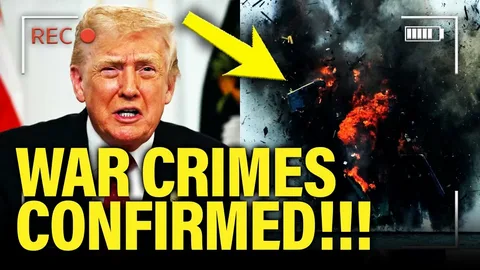

America war crimes analysis has gained prominence as international law experts and human rights advocates scrutinize recent U.S. military actions—particularly in the ongoing US‑Iran conflict—for violations of the laws of war. This debate has intensified amid allegations that strikes on Iranian civilian infrastructure and threats against non‑combatant targets could amount to war crimes under international law.
Background
The United States has a long and controversial history regarding war crimes allegations. Historically documented war crimes involving U.S. forces include summary executions, mistreatment of prisoners, and unnecessary destruction of civilian property dating back to conflicts in the 20th century, as well as legal responses such as the War Crimes Act of 1996 intended to prosecute such offences under U.S. law. However, the U.S. has often rejected the jurisdiction of the International Criminal Court (ICC), limiting external accountability.
In the latest US‑Iran war context, America war crimes analysis has become central to international debate, with critics arguing that actions taken by U.S. political and military leaders may violate established norms designed to protect civilians during armed conflict.
Details
Dozens of international law experts—including scholars from prominent U.S. institutions—have publicly warned that U.S. strikes on Iran’s energy infrastructure and civilian targets may constitute war crimes. These warnings emerged after renewed threats by senior U.S. officials to expand military operations if Iran did not comply with certain demands.
Those signing open letters also argue that such conduct contravenes the United Nations Charter’s prohibition on the use of force without Security Council approval or imminent self‑defense justification. Critics note the lack of clear authorization from international bodies or Congressional mandate, raising serious legal questions about the legitimacy of the conflict’s expansion.
Iran, for its part, has rejected temporary ceasefire proposals as insufficient, describing them as opportunities for adversaries to regroup and resume hostilities. Tehran insists on an end to the conflict with guarantees against renewed violence, framing the confrontation as imposed aggression rather than a mutual war.
Quotes Officials and Experts
International law experts have been candid about their concerns:
“The strikes launched by the United States and its allies clearly violate the United Nations Charter and risk constituting war crimes,” said one academic specializing in international humanitarian law.
Another expert noted, “Threatening civilian infrastructure—such as power plants or bridges—with indiscriminate force undermines the fundamental principles designed to protect non‑combatants under the Geneva Conventions.”
Some voices have amplified the legal stakes for U.S. troops and commanders, stressing that individual responsibility can arise under war crimes law when unlawful orders are executed.
Impact
America war crimes analysis has significant global and regional implications. At the international level, allegations of war crimes undermine the perceived rule of law and erode confidence in longstanding legal frameworks intended to constrain state behavior in war. The debate also affects diplomatic relations, with some countries and international organizations calling for accountability and adherence to humanitarian norms.
Regionally, the conflict involving the U.S. and Iran has heightened tensions across the Middle East, influencing security dynamics and prompting allied states to reassess their roles. The controversy over alleged war crimes contributes to broader instability and complicates efforts to negotiate sustainable ceasefires or peace agreements.
Critics argue that without transparent investigation and potential accountability measures, breaches of international law could set dangerous precedents for future conflicts. Proponents of strict legal adherence maintain that even powerful states must abide by established war laws to preserve global order.
Conclusion
America war crimes analysis has become a focal point in assessing the legality and morality of U.S. military conduct, particularly in the context of the US‑Iran war. As expert scrutiny continues, questions about international law compliance, civilian protection, and accountability mechanisms remain unresolved.
While some officials maintain that U.S. actions are justified under self‑defense doctrines, legal scholars and human rights advocates call for greater transparency and adherence to international norms to prevent civilian harm and uphold the rule of law.
As global opinion evolves, this debate may influence future diplomatic negotiations, ceasefire efforts, and the development of international legal standards governing armed conflict.
Frequently Asked Questions
What are the 12 crimes against humanity?
Crimes against humanity typically include acts such as murder, extermination, enslavement, deportation, torture, rape and sexual violence, persecution, enforced disappearance, apartheid, and other inhumane acts committed as part of a widespread or systematic attack against civilians.
Is the ICC investigating the US?
The International Criminal Court has examined allegations related to U.S. actions—but the U.S. is not a state party to the Rome Statute and often rejects ICC jurisdiction, limiting the court’s ability to pursue charges against American nationals.
What is the biggest crime committed in the US?
The “biggest crime” is subjective, but historically significant crimes include acts such as widespread lynching, systemic civil rights violations, and documented war crimes by military personnel. Additionally, international law cases sometimes cite indiscriminate military actions that result in civilian casualties.