
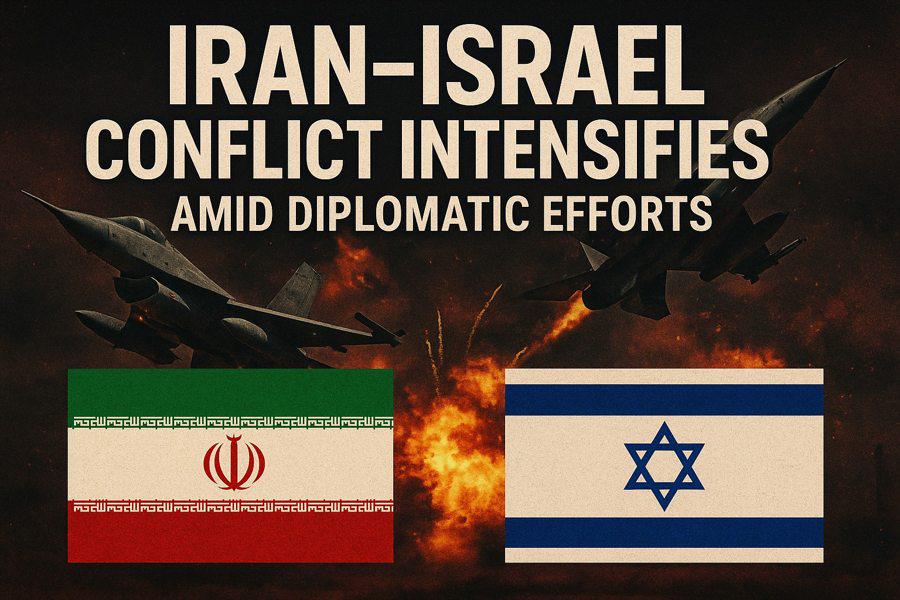
The Iran war day 59 situation is moving fast but not yet toward peace. Iran’s top diplomat is flying between capitals, Trump is telling Tehran to pick up the phone, and the Strait of Hormuz remains firmly under Iranian control. The US-Israel war on Iran is entering its most diplomatically intense phase yet.
On day 59 of Iran war day 59, a ceasefire technically holds but the naval blockade, nuclear standoff, and Hormuz dispute mean the two sides are still functionally at war in everything but name.
Iran FM Shuttles Between Pakistan, Oman and Russia
The most significant development on Iran war day 59 is Iran’s own diplomatic offensive. Foreign Minister Abbas Araghchi shuttled between Pakistan and Oman on Sunday before flying to Moscow on Monday for talks with President Vladimir Putin covering enormous diplomatic ground in under 48 hours. Russia’s envoy to international organisations in Vienna used the visit to deliver a sharp message to Washington, saying the US must abandon its approach of issuing ultimatums and threats if the Iran war talks are to move forward at all. Iran is clearly building a coalition of voices pushing Washington to soften its negotiating stance before any return to the table.
Trump: “Call Me” US Delegation Pulled From Islamabad
The Trump Iran war posture has shifted again this time to a wait-and-see approach. Trump told reporters on Sunday that Iran could telephone if it wanted to negotiate, after scrapping a planned visit to Islamabad by his envoys Steve Witkoff and Jared Kushner. The decision came after Araghchi arrived in Islamabad but left without holding direct talks with the US delegation a development that rattled markets and briefly pushed oil above $106 per barrel. The US-Iran conflict updates out of Washington suggest Trump is unwilling to keep sending his representatives to Pakistan while Tehran refuses to confirm its own delegation. The ball, Trump says, is now in Iran’s court.
Islamabad Signals a Framework Is Being Built
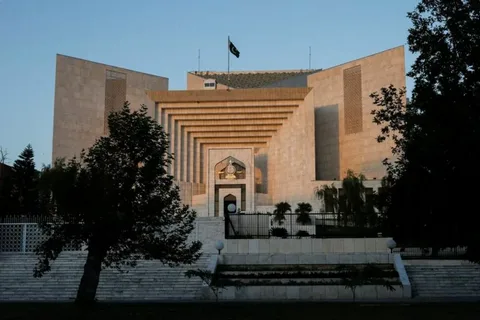
Despite the diplomatic turbulence, Pakistan’s mediation effort has not collapsed. A diplomatic source told reporters in Islamabad that recent events had served as a catalyst, reinforcing the view that a permanent end to hostilities is now necessary for all parties. More significantly, sources in Islamabad reported on Iran war day 59 that the sides are moving toward a framework agreement not a final deal, but a background structure on which the US, Iran, and the Gulf states can eventually converge. The Iran war talks are no longer just bilateral. Gulf countries are now being included in the framework discussions, reflecting how broadly this conflict has spread.
The Two Core Issues Blocking a Deal
The US-Iran conflict updates keep circling back to the same two obstacles and both remain completely unresolved. First, Iran’s nuclear programme: Washington demands a complete shutdown of enrichment. Tehran says its right to enrich uranium is non-negotiable. Second, the Strait of Hormuz: Iran’s IRGC declared on day 59 that maintaining control of the strait is “the definitive strategy of Islamic Iran” and that it has no intention of unblocking it. The US simultaneously insists the blockade on Iranian ports stays until a deal is signed. Both sides are squeezing each other economically through the same waterway and neither is blinking first.
The Human Cost By the Numbers
The US-Israel war on Iran has exacted a severe human toll across the entire region. At least 3,375 people have been killed in Iran since February 28 ranging in age from eight months to 88 years with more than 26,500 wounded. In Lebanon, Israeli strikes have killed at least 2,294 people. At least 13 confirmed US service members have died in the conflict, with over 400 wounded. Questions about the true casualty count are mounting, with reports suggesting the Pentagon’s official tally may significantly undercount the number of wounded troops. The overall global death toll, including civilians across Gulf states and regional countries caught in Iranian counter-strikes, has climbed past 10,000.
Russia and China Push Back Against Washington
The Iran war day 59 diplomatic picture is increasingly multilateral. Russia’s envoy explicitly said the US must drop its “blackmailing” approach before talks can progress. China, the largest buyer of Iranian oil, expressed deep concern over the continued US seizure of Iranian-flagged vessels near the Strait of Hormuz and called on all parties to resume the Iran war talks urgently. From Europe, French President Emmanuel Macron described both the US and Iranian blockades of the strait as “a mistake on both sides” a rare public rebuke of Washington from a close ally. The geopolitical isolation of the US position is growing, even as it maintains overwhelming military superiority.
War Powers Deadline May 1 Still Looming
The Trump Iran war challenge is not only coming from Tehran. With May 1 approaching, Trump faces a congressional deadline under the 1973 War Powers Act. He must either obtain congressional approval to continue the conflict or begin withdrawing forces from the region. Republican senators who had previously backed Trump are now signalling they may vote differently once the 60-day legal window closes. Trump’s legal team is reportedly exploring whether the ceasefire however fragile can be used to argue the 60-day clock has been paused. Legal experts describe that interpretation as extremely aggressive. The US-Iran conflict updates from Capitol Hill suggest the domestic political pressure on Trump is rising as sharply as the diplomatic pressure from Tehran and Moscow.
What Day 60 Could Bring
As Iran war day 59 closes, the situation is genuinely fluid in both directions. Araghchi’s shuttle diplomacy suggests Iran is actively working toward some kind of framework, even if it refuses direct talks under current conditions. The Islamabad diplomatic community says a structure is emerging. But the Strait of Hormuz stays closed, the blockade stays in place, oil prices stay elevated, and the May 1 War Powers deadline is now just 48 hours away. The Iran war talks are alive but a breakthrough would require both sides to move on positions neither has publicly budged from. Day 60 may be the most consequential day of this entire conflict.
Frequently Asked Questions
How many US soldiers have been killed in the Iran war?
At least 13 US service members have been officially confirmed killed in the US-Israel war on Iran since Operation Epic Fury began on February 28, 2026. Over 400 US personnel have been wounded. However, multiple investigative reports suggest the Pentagon’s official casualty figures significantly undercount the actual number of wounded troops, with some estimates placing total casualties above 520. Trump has publicly stated the number at 13 during interviews, though independent reporting challenges the completeness of that figure.
Did Iran attack Pakistan during the war?
Iran did not attack Pakistan during the US-Iran conflict. Pakistan has played a neutral mediation role throughout the war, hosting the first round of US-Iran peace talks in Islamabad in April 2026 and maintaining active diplomatic channels with both Washington and Tehran. Iran’s attacks have been directed at US military bases across Gulf states including Bahrain, Kuwait, the UAE, Saudi Arabia, and Qatar as well as at Israel and Israeli-linked targets. Pakistan’s neutrality and mediation role have been explicitly acknowledged by both Iran and the United States.
What are the main sticking points in the Iran war talks?
The two core issues blocking a deal in the Iran war talks are Iran’s nuclear programme and the Strait of Hormuz. The US demands a complete halt to Iranian uranium enrichment and the permanent reopening of the strait. Iran insists on its right to enrich uranium domestically and says it will maintain control of the Strait of Hormuz as long as the US naval blockade on Iranian ports continues. Neither side has publicly shifted from these positions, making a breakthrough agreement difficult despite active diplomatic shuttling by Iran’s Foreign Minister and continued mediation by Pakistan.