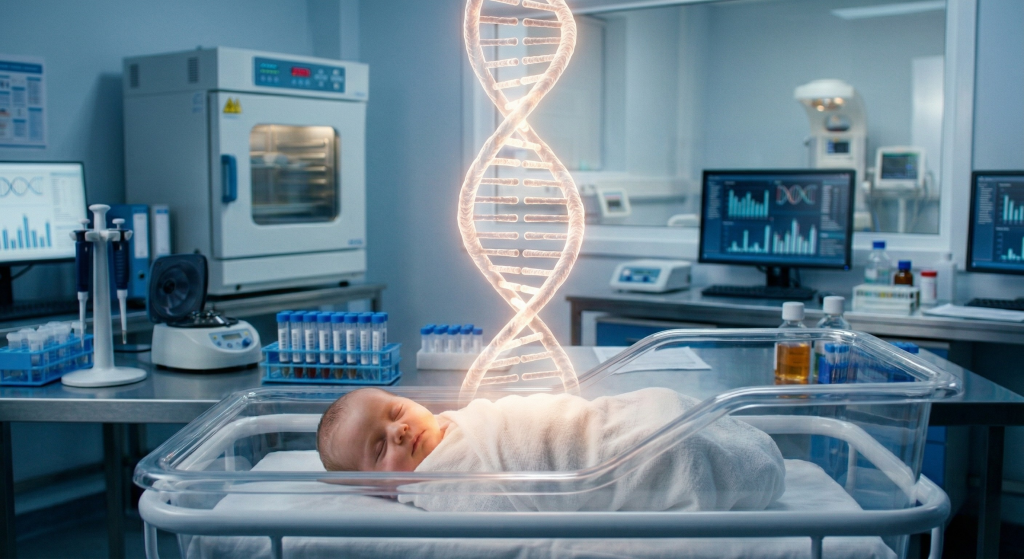

Why DNA Testing After IVF Is Becoming Essential
The demand for DNA testing after IVF is rising as more families seek confirmation of their child’s biological identity amid growing concerns about rare medical errors.
With increasing IVF births and reported mix-up cases, many parents are turning to testing for peace of mind.
Rising Concerns Around IVF Procedures
The number of babies born through IVF has increased significantly in recent years.
At the same time, reports related to IVF clinic negligence cases and unexpected donor issues are also gaining attention, raising concerns among parents worldwide.
Why DNA Testing After IVF Matters
DNA testing helps confirm whether the correct embryo and donor were used during the IVF process.
This is especially important in cases involving IVF donor mix up cases, where biological identity becomes uncertain.
Parents can verify both maternity and paternity through simple and painless tests after birth.
How IVF DNA Testing Works
During IVF, eggs are fertilized in a lab and then implanted into the mother’s womb.
However, in rare cases, errors may occur, leading to the need for DNA test after IVF to confirm biological relationships.
The test usually involves a simple cheek swab from the baby and parents, making it safe and non-invasive.
Prenatal DNA Testing Option
Parents can also opt for testing before birth.
Prenatal testing allows early confirmation of biological parentage and reduces uncertainty, especially in complex cases linked to fertility treatment abroad risks.
This method involves a blood sample from the mother and DNA from the potential father or donor.
Legal and Ethical Concerns
The rise in such cases has also highlighted serious IVF legal issues and ethical concerns within the fertility industry.
Experts stress the importance of proper regulations and transparency to prevent such incidents.
Growing Awareness Among Parents
With more awareness, parents are becoming cautious and proactive.
Many now consider DNA testing a necessary step after IVF, especially in light of increasing global reports and evolving fertility clinic regulations.
FAQs
Why is DNA testing after IVF important?
It confirms the biological identity of the child and ensures no mix-up occurred during the IVF process.
Are IVF mix-ups common?
No, they are rare but can happen, which is why testing provides reassurance.
Can DNA testing be done before birth?
Yes, prenatal DNA testing can confirm paternity during pregnancy.
Is DNA testing safe for newborns?
Yes, it is a simple and painless process using cheek swabs.