
The Ebola Outbreak 2026 has once again placed global health authorities on high alert as rising infections and deaths trigger emergency discussions among international organizations. The outbreak has renewed concerns about preparedness, vaccine development, and the ability of health systems to contain one of the world’s deadliest diseases.
As the World Health Organization (WHO) monitors the situation, researchers, governments, and healthcare providers are working to strengthen surveillance, improve treatment options, and prevent the virus from spreading beyond affected regions.
Background
Ebola virus disease is one of the most severe viral illnesses known to humans. Since it was first identified in 1976, multiple outbreaks have occurred, mainly in parts of Africa. While medical advances have improved survival rates, Ebola remains a major public health threat due to its high fatality rate and potential for rapid transmission.
The Ebola Outbreak 2026 comes at a time when health systems are still recovering from recent global disease emergencies. Public health experts warn that early detection and community cooperation will be essential to limiting the impact of the outbreak.
The current situation has also renewed public interest in understanding what causes Ebola, how it spreads, and what measures can be taken to prevent infection.
What Causes Ebola?
Many people continue to ask: What causes Ebola?
Ebola virus disease is caused by viruses belonging to the genus Ebolavirus. Scientists believe fruit bats are the natural hosts of the virus. The disease can spread to humans through contact with infected wildlife, including bats, monkeys, and other animals found in affected regions.
Once the virus enters the human population, it can spread rapidly through direct contact with infected bodily fluids. Understanding where does Ebola come from remains a major focus of scientific research aimed at preventing future outbreaks.
Researchers continue to investigate environmental and ecological factors that contribute to the emergence of new Ebola cases.
Ebola Transmission: How the Virus Spreads
Understanding Ebola transmission is critical for controlling outbreaks.
The virus spreads through direct contact with blood, saliva, sweat, vomit, urine, breast milk, and other bodily fluids of infected individuals. Healthcare workers face increased risk when treating patients without proper protective equipment.
Transmission can also occur through contaminated medical instruments and surfaces exposed to infectious materials. Traditional burial practices involving close contact with deceased victims have historically contributed to the spread of the disease during outbreaks.
Health authorities emphasize that Ebola is not spread through casual contact or through the air like some respiratory diseases. However, close physical contact remains a significant risk factor.
Public awareness campaigns focusing on Ebola transmission have become an important tool in reducing infection rates during health emergencies.
Ebola Symptoms: Early Warning Signs
Recognizing Ebola symptoms early can improve treatment outcomes and help reduce transmission.
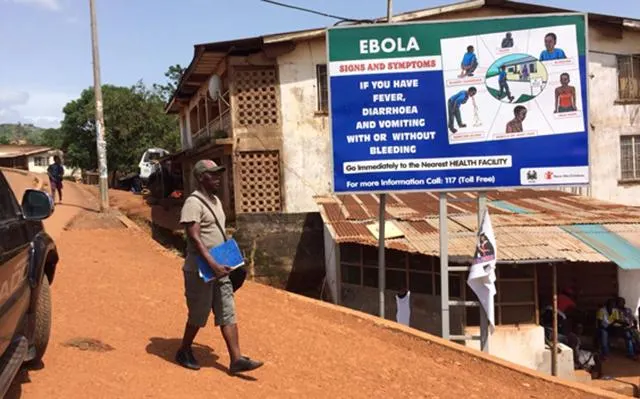
Initial symptoms often resemble common viral illnesses, making early diagnosis challenging. Patients may experience fever, severe headache, muscle pain, weakness, fatigue, and sore throat.
As the disease progresses, symptoms can become more severe. These may include vomiting, diarrhea, abdominal pain, skin rash, and impaired kidney or liver function.
In some cases, patients experience internal and external bleeding. However, not every Ebola patient develops visible bleeding symptoms.
Doctors stress that awareness of Ebola symptoms is essential because prompt medical attention increases the likelihood of survival and helps prevent further spread.
Details of the Ebola Outbreak 2026
The Ebola Outbreak 2026 has prompted emergency responses from national governments and international health agencies. Rising infection numbers and increasing fatalities have raised concerns among public health experts.
Medical teams have been deployed to affected regions to strengthen disease surveillance, conduct testing, and support local healthcare facilities. Authorities are also expanding contact-tracing operations to identify individuals who may have been exposed to the virus.
Several countries have increased airport screening and public health monitoring measures as a precaution against international spread.
The outbreak has also intensified discussions regarding global preparedness and the need for stronger investment in infectious disease response systems.
Ebola Treatment: Is Ebola Curable?
A common question asked during outbreaks is: Is Ebola curable?
There is no single guaranteed cure for Ebola virus disease. However, significant medical progress has improved survival rates over the past decade.
Modern Ebola treatment focuses on supportive care, including fluid replacement, electrolyte management, oxygen support, and treatment of secondary infections. Early medical intervention can dramatically improve patient outcomes.
Scientists have also developed antibody-based therapies that have shown promising results in treating infected patients. These treatments are helping reduce mortality rates when administered early.
Although Ebola remains a dangerous disease, experts emphasize that survival is possible, particularly when patients receive prompt and appropriate medical care.
Prevention and Control Measures
Preventing infection remains one of the most effective ways to combat Ebola.
Health agencies recommend avoiding direct contact with infected individuals and their bodily fluids. Healthcare workers are advised to use personal protective equipment at all times when caring for suspected patients.
Safe burial practices continue to play a vital role in outbreak control. Communities are encouraged to follow public health guidance and report suspected cases immediately.
Many healthcare institutions also distribute educational materials and resources such as Prevention and Control of Ebola Virus Disease PDF guides to help communities understand safety protocols and disease prevention measures.
Public education campaigns are particularly important in rural areas where misinformation can hinder response efforts.
Vaccine Research and Medical Innovation
One of the most important developments in recent years has been progress in Ebola vaccine research.
Scientists are continuing to improve existing vaccines while developing new candidates designed to provide broader and longer-lasting protection. Research institutions around the world are collaborating to accelerate testing and production.
Health officials believe vaccines will remain a crucial component of future outbreak prevention strategies. Ongoing studies aim to determine how effectively new vaccines can protect populations during emerging outbreaks.
The Ebola Outbreak 2026 has increased urgency around vaccine development, funding, and international cooperation.
Expert and Official Responses
Public health officials have stressed the importance of rapid intervention.
Disease specialists warn that delays in reporting cases can significantly increase transmission rates. International organizations continue to support affected countries through funding, medical supplies, and technical assistance.
Experts emphasize that community trust is essential during health emergencies. Successful outbreak control depends not only on medical resources but also on public cooperation with health measures.
Officials have also highlighted the importance of strengthening laboratory capacity and emergency response systems to address future disease threats.
Global Impact of the Ebola Outbreak 2026
The consequences of the Ebola Outbreak 2026 extend beyond public health.Economic activity in affected areas has slowed as travel concerns and public safety measures disrupt local businesses. Healthcare systems already facing resource limitations are experiencing additional pressure.
International markets and aid organizations are closely monitoring developments, particularly if the outbreak expands geographically.
The crisis also serves as a reminder of the interconnected nature of global health security. A disease outbreak in one region can quickly become an international concern if not effectively contained.
Conclusion
The Ebola Outbreak 2026 highlights the continuing threat posed by emerging infectious diseases. While advances in medicine, vaccines, and public health strategies have improved the world’s ability to respond, Ebola remains a serious challenge.
Understanding Ebola symptoms, Ebola transmission, Ebola treatment, and what causes Ebola can help communities protect themselves and support prevention efforts. As scientists continue vaccine research and health authorities strengthen containment measures, the coming months will be critical in determining the trajectory of the outbreak.
Global cooperation, public awareness, and rapid medical response will remain the key factors in controlling Ebola and reducing its human impact.
FAQs
What is the Ebola disease?
Ebola disease, also known as Ebola virus disease, is a severe and often life-threatening illness caused by viruses from the Ebolavirus family. It spreads through direct contact with infected bodily fluids and can cause fever, weakness, vomiting, diarrhea, and in severe cases, organ failure and bleeding complications. Early diagnosis and medical care are critical for improving survival rates.
Who prevented Ebola?
No single person prevented Ebola. Control efforts have involved thousands of healthcare workers, scientists, governments, and international organizations. The World Health Organization, national health ministries, medical charities, and research institutions have all played major roles in reducing outbreaks through surveillance, vaccination campaigns, public education, and patient treatment programs.
How long does Ebola stay in the body?
The virus can remain in the body for varying lengths of time depending on the patient and the type of body fluid involved. Most survivors clear the virus from their bloodstream after recovery, but traces may persist in certain parts of the body, such as the eyes or reproductive system, for months. Medical follow-up is often recommended for Ebola survivors to monitor long-term health effects and prevent potential transmission risks.