
The Ebola outbreak 2026 has once again drawn international attention as health authorities monitor new cases and strengthen containment measures. Governments, medical organizations, and research institutions are working together to prevent further transmission while expanding access to the Ebola vaccine and treatment facilities.
The latest Ebola outbreak has raised concerns across several regions, particularly after reported cases linked to the Ebola outbreak Uganda situation. Although health experts emphasize that containment efforts are improving, the risk of cross-border transmission remains a significant challenge. Authorities are also closely watching developments related to potential Ebola outbreak Europe concerns due to international travel and trade.
Background: Ebola Outbreak What Is It?
Many people are asking, “Ebola outbreak what is it?” Ebola is a severe and often fatal viral disease caused by the Ebola virus. The disease was first identified in Central Africa in 1976 and has since caused multiple outbreaks in different countries.
The virus spreads through direct contact with infected bodily fluids, contaminated materials, or infected animals. Unlike airborne illnesses, Ebola requires close physical contact for transmission. However, because of its high fatality rate and rapid spread within communities, every Ebola outbreak receives significant global attention.
Over the years, advances in healthcare systems, surveillance programs, and vaccine development have improved the world’s ability to respond to Ebola emergencies. Nevertheless, outbreaks continue to pose serious public health challenges, particularly in regions with limited healthcare infrastructure.
Latest Developments in the Ebola Outbreak 2026
Health agencies have intensified monitoring efforts following reports of new infections connected to the Ebola outbreak 2026. Emergency response teams have been deployed to affected areas to identify cases, trace contacts, and provide medical care.
The Ebola outbreak map continues to evolve as health authorities investigate suspected cases and monitor transmission patterns. Public health officials stress that timely reporting and community cooperation are critical to preventing wider spread.
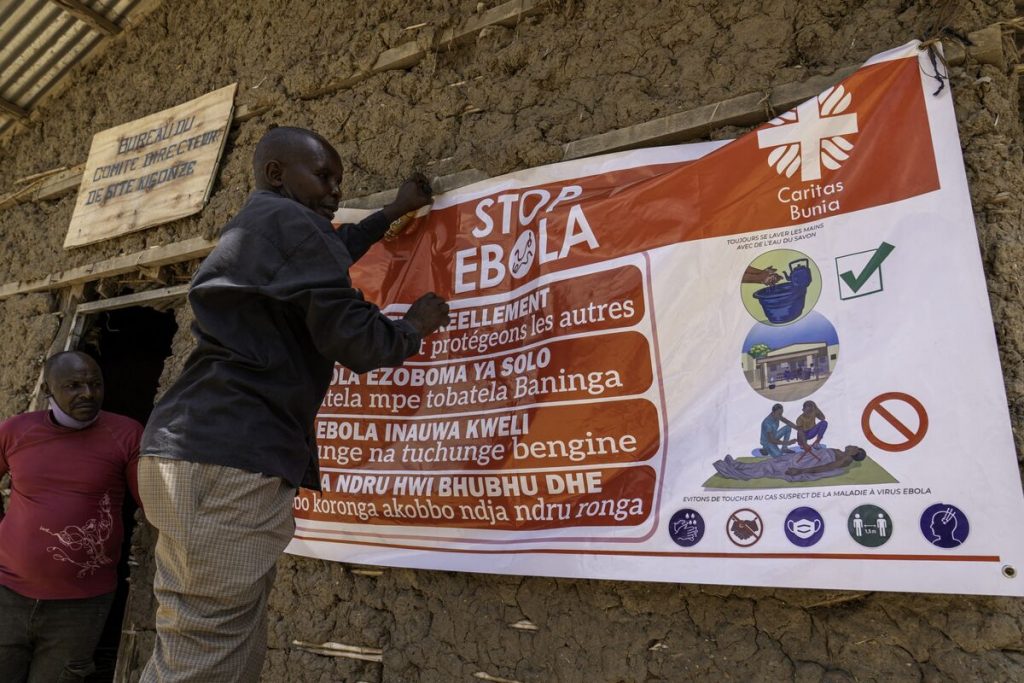
Governments are also increasing public awareness campaigns to educate communities about symptoms, prevention measures, and the importance of seeking medical attention early. International organizations are supporting these efforts through funding, medical supplies, and technical expertise.
Ebola Outbreak Uganda Remains a Key Concern
The Ebola outbreak Uganda situation remains one of the most closely monitored developments in the current health crisis. Uganda has previously faced Ebola outbreaks and has developed considerable experience in outbreak management.
Healthcare workers in Uganda have implemented aggressive contact tracing, isolation protocols, and community engagement strategies. These measures are designed to interrupt transmission chains and reduce the risk of wider regional spread.
International health experts continue to collaborate with Ugandan authorities to strengthen surveillance systems and ensure that healthcare facilities are adequately prepared. Border screening and monitoring efforts have also been expanded to detect potential cases quickly.
Understanding Ebola Outbreak Symptoms
Recognizing Ebola outbreak symptoms early can significantly improve treatment outcomes and help prevent transmission. Symptoms often appear between two and twenty-one days after exposure to the virus.
Common Symptoms Include:
- High fever
- Severe headache
- Muscle and joint pain
- Extreme weakness
- Sore throat
- Vomiting
- Diarrhea
- Abdominal pain
As the disease progresses, some patients may experience internal and external bleeding. Not every patient develops bleeding symptoms, but severe complications can occur if medical care is delayed.
Healthcare professionals emphasize that individuals experiencing Ebola outbreak symptoms after potential exposure should seek immediate medical evaluation. Early isolation and treatment are essential components of outbreak control.
Ebola Vaccine Expands Protection Efforts
One of the most important developments in recent years has been the advancement of the Ebola vaccine. Vaccination campaigns have become a critical tool in controlling outbreaks and protecting high-risk populations.
Health authorities often prioritize healthcare workers, frontline responders, and individuals who have been in close contact with confirmed patients. This targeted approach helps reduce transmission and protect those most likely to be exposed.
The Ebola vaccine has demonstrated strong effectiveness in previous outbreaks. Experts believe that widespread vaccine availability can significantly reduce mortality rates and improve overall outbreak management.
Research institutions continue working on next-generation vaccines that may provide broader and longer-lasting protection. These efforts are expected to strengthen preparedness for future outbreaks.
Ebola Outbreak Map Shows Areas Under Surveillance
The Ebola outbreak map is an important resource used by health agencies to monitor disease activity and allocate resources effectively. Maps help authorities identify hotspots, track transmission routes, and assess potential risks.
Public health organizations regularly update outbreak maps as new information becomes available. These updates assist governments in making informed decisions regarding travel advisories, healthcare resource allocation, and emergency response planning.
Although the outbreak remains concentrated in specific regions, health officials stress the importance of maintaining vigilance globally. Continuous monitoring helps ensure rapid detection and response to any emerging cases.
Could the Ebola Outbreak Europe Become a Reality?
Questions about a potential Ebola outbreak Europe scenario often arise whenever international outbreaks occur. While Europe has advanced healthcare systems and strong disease surveillance networks, imported cases remain a possibility due to global travel.
Experts emphasize that the risk of widespread transmission in Europe remains relatively low. Hospitals and public health agencies have established protocols for identifying, isolating, and treating suspected Ebola patients.
Airports and border authorities continue to monitor travelers arriving from affected regions. International cooperation and information sharing are considered essential for preventing cross-border transmission and maintaining public safety.
What Is the Current Ebola Cure Situation?
Many people search for information about an Ebola cure, but experts explain that there is currently no single guaranteed cure that eliminates the virus instantly. However, treatment options have improved significantly over the past decade.
Several therapeutic medications have demonstrated positive results in reducing mortality rates among Ebola patients. Supportive medical care remains a critical component of treatment and includes hydration, oxygen support, and management of complications.
Early diagnosis and prompt medical intervention greatly increase the chances of survival. Researchers continue exploring new antiviral therapies and treatment strategies to further improve patient outcomes.
Global Impact of the Ebola Outbreak 2026
The Ebola outbreak 2026 has implications that extend beyond affected regions. Outbreaks can disrupt healthcare services, economic activity, education systems, and international travel.
Countries often increase screening measures and preparedness efforts when Ebola cases are reported. These actions can affect transportation networks, tourism industries, and trade relationships.
The outbreak also highlights the importance of global health cooperation. International organizations, governments, and medical institutions must work together to strengthen disease surveillance, support affected communities, and accelerate vaccine research.
Expert Views and Official Responses
Public health experts continue to emphasize the importance of rapid response strategies. Officials stress that early detection, effective isolation procedures, vaccination programs, and public awareness campaigns remain the most effective tools against Ebola.
Medical researchers have noted that lessons learned from previous outbreaks have improved preparedness and response capabilities. Investments in laboratory capacity, healthcare training, and vaccine development have strengthened global resilience against future health emergencies.
Officials also encourage communities to rely on verified information sources and avoid misinformation, which can undermine outbreak response efforts and create unnecessary fear.
Conclusion
The Ebola outbreak 2026 serves as a reminder that infectious diseases remain a significant global challenge. While progress in vaccine development, treatment options, and surveillance systems has improved response capabilities, continued vigilance remains essential.
The Ebola outbreak Uganda situation continues to receive close attention, while health authorities monitor the Ebola outbreak map for emerging developments. Concerns about Ebola outbreak Europe risks remain limited but are being carefully assessed through international monitoring systems.
As research advances and healthcare systems strengthen their preparedness efforts, experts remain hopeful that future outbreaks can be controlled more effectively. Continued investment in public health infrastructure, vaccination programs, and scientific research will play a crucial role in reducing the impact of Ebola worldwide.
FAQs
What are the long term effects of the Ebola virus?
People who recover from Ebola may experience long-term health complications that can last for months or even years. Common effects include joint pain, muscle weakness, vision problems, fatigue, headaches, and mental health challenges such as anxiety or depression. Some survivors also report memory difficulties and ongoing inflammation in certain parts of the body. Medical follow-up care is often necessary to manage these lingering symptoms and improve quality of life.
What does Ebola look like on a person?
In its early stages, Ebola often appears similar to many other viral illnesses. A person may develop a high fever, severe headache, muscle pain, weakness, and fatigue. As the illness progresses, symptoms can include vomiting, diarrhea, stomach pain, and skin rashes. In severe cases, patients may experience internal or external bleeding, although bleeding does not occur in every Ebola infection. Prompt medical evaluation is essential whenever Ebola is suspected.
What are the treatment options for Ebola?
Treatment for Ebola focuses on supportive medical care and specialized therapies that improve survival chances. Patients may receive intravenous fluids, oxygen therapy, medications to maintain blood pressure, and treatments for secondary infections. Certain antibody-based therapies have shown effectiveness in treating Ebola patients when administered early. Combined with proper medical care and monitoring, these treatments have significantly improved outcomes compared to previous outbreaks.