
Education systems around the world are facing growing criticism from students, teachers, and experts. Rising academic pressure, outdated teaching methods, expensive higher education, and the increasing role of artificial intelligence have created new concerns about the future of learning. Experts say education problems must be addressed quickly to prepare students for modern careers and global competition.
Background
In recent years, debates about educational problems and solutions have intensified across many countries. Students are demanding reforms in exam systems, mental health support, and skill-based learning. Many education experts believe the traditional education system was designed decades ago and no longer matches today’s digital economy.
The rapid growth of technology and AI tools has also raised questions about whether schools and universities are preparing students for future jobs. Discussions about “Is the current education system outdated” have become common among policymakers, parents, and educators worldwide.
At the same time, higher education costs continue to increase. Many students struggle to afford university degrees while employers increasingly focus on practical skills instead of academic grades alone.
Growing Education Problems in Modern Society
One of the biggest education problems today is the gap between classroom learning and real-world skills. Many schools still rely heavily on memorization instead of creativity, communication, and practical training. Students often spend years studying theories but graduate without job-ready abilities.
Another major issue is unequal access to education. In many developing countries, children living in rural areas still face serious barriers to quality education. Lack of schools, trained teachers, internet access, and educational resources continues to affect millions of students globally.
Experts discussing lack of education problems and solutions say governments must invest more in digital learning infrastructure and teacher training programs. Without these improvements, educational inequality may continue to grow.
Is the Current Education System Outdated?
The question “Is the current education system outdated” has become one of the most debated topics in modern education. Critics argue that schools still follow industrial-era teaching models where students sit quietly, memorize information, and repeat answers in exams.
Modern industries, however, demand critical thinking, teamwork, digital literacy, and problem-solving abilities. Many employers now value creativity and adaptability more than traditional academic scores.
Education analysts say students should be taught financial literacy, coding, communication skills, entrepreneurship, and AI awareness from an early age. Without modernization, many graduates may struggle to compete in future job markets shaped by automation and technology.
Higher Education Problems and Solutions
Higher education problems and solutions remain a major concern for governments worldwide. University tuition fees have increased significantly in many countries, making degrees less affordable for middle-class families.
Students also face pressure from student loans, unemployment fears, and rising living costs. Some graduates spend years repaying educational debt while struggling to find stable employment.
Experts suggest several higher education problems and solutions, including:
Affordable Tuition Policies
Governments can introduce scholarships, student aid programs, and reduced tuition fees to improve access to universities.
Skill-Based Education
Universities should focus more on internships, technical training, and practical learning instead of only theoretical education.
Online Learning Expansion
Digital education platforms can make higher education accessible to students living in remote areas or facing financial difficulties.
Industry Collaboration
Educational institutions should work closely with industries to ensure students develop skills relevant to modern job markets.
What Are the Disadvantages of Education System?
Many people ask: “What are the disadvantages of education system?” Experts identify several major concerns affecting students globally.
Lack of Creativity
Traditional education systems often prioritize memorization over innovation and imagination. Students may become dependent on textbook learning instead of independent thinking.
Mental Health Pressure
Academic competition, exam stress, and social expectations can negatively affect students’ mental health. Anxiety and depression among students have increased in recent years.
Limited Practical Skills
Many graduates enter the workforce without communication, leadership, or technical skills needed in modern industries.
One-Size-Fits-All Learning
Every student learns differently, but many schools still use identical teaching methods for all students regardless of their abilities.
Technology Gap
Some schools struggle to integrate modern technology into classrooms, creating challenges for students entering digital industries.
Top 10 Disadvantages of Education
Experts discussing the top 10 disadvantages of education commonly mention the following issues:
- Excessive exam pressure
- Outdated curriculum
- Limited creativity development
- Expensive higher education
- Lack of practical learning
- Inequality in educational access
- Overdependence on grades
- Weak career counseling
- Mental health challenges
- Poor technology integration
These disadvantages continue to influence students’ academic performance and future career opportunities.
5 Disadvantages of Education
When discussing 5 disadvantages of education, experts usually focus on the most critical concerns affecting modern students.
High Academic Stress
Students often experience pressure to achieve high grades, leading to emotional burnout.
Expensive Education Costs
University education has become financially difficult for many families.
Outdated Teaching Methods
Some institutions still rely on old teaching systems that do not match modern industry needs.
Lack of Individual Attention
Large classrooms can prevent teachers from focusing on individual student needs.
Weak Job Preparation
Many graduates lack practical workplace experience after completing their education.
Expert Opinions on Education Reform
Education experts believe reforms are necessary to solve long-term educational challenges. Many specialists support replacing memorization-based exams with project-based learning and digital assessments.
Some educators argue that schools should focus more on emotional intelligence, teamwork, and innovation. Others believe artificial intelligence can improve personalized learning experiences for students.
Technology experts also warn that future jobs may require continuous learning throughout life. Workers may need to update their skills regularly as industries evolve rapidly.
Impact on Students and Society
Education problems affect not only students but entire societies. Weak education systems can reduce economic growth, increase unemployment, and widen social inequality.
Countries with strong education systems generally experience higher innovation, better workforce productivity, and improved living standards. On the other hand, poor educational infrastructure may slow national development and reduce global competitiveness.
Experts say solving educational problems and solutions requires cooperation between governments, schools, parents, and technology companies.
The Role of Artificial Intelligence in Education
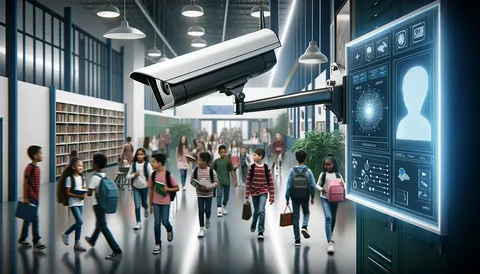
Artificial intelligence is changing classrooms around the world. AI tools can assist teachers with grading, lesson planning, and personalized learning recommendations. Students can also use AI platforms for tutoring and skill development.
However, AI has also created fears about job replacement and changing career opportunities. Many students are concerned about which professions may disappear in the future.
Some experts believe AI should be integrated into education carefully to support learning without replacing human creativity and emotional interaction.
Conclusion
Education systems around the world are facing major transformation. Rising costs, outdated teaching methods, unequal access, and technological disruption continue to create serious education problems for students and educators alike.
Experts believe reforms focused on practical learning, digital skills, creativity, and mental health support are essential for the future. Governments and educational institutions must modernize their systems to prepare students for a rapidly changing world shaped by technology and artificial intelligence.
While challenges remain significant, education experts say innovation and policy reforms can create stronger and more inclusive learning systems for future generations.
FAQs
Which 3 jobs will survive AI?
Many experts believe jobs requiring human creativity, emotional intelligence, and complex decision-making are more likely to survive AI automation. Careers such as healthcare professionals, psychologists, skilled engineers, teachers, and creative professionals may continue to remain important because human interaction and critical thinking are difficult to fully replace with machines.
Did Bill Gates say AI would replace teachers?
Bill Gates has discussed how artificial intelligence could support education and improve personalized learning. However, he has also emphasized that teachers will continue to play an important role in guiding students, building emotional connections, and developing critical thinking skills. Most experts believe AI will assist teachers rather than completely replace them.
What jobs will AI not take?
Jobs involving leadership, creativity, emotional support, human communication, and strategic thinking are considered less likely to be replaced by AI. Careers in healthcare, counseling, management, education, scientific research, and creative industries may continue to require strong human involvement even as AI technology advances further.