The growth of soccer in USA is one of the most remarkable stories in modern sports history. From a country that had no professional league in 1994 to a nation preparing to host the FIFA World Cup 2026, America’s relationship with the beautiful game has been completely transformed. The numbers, the stadiums, and the culture all tell the same story soccer is no longer a foreign concept in the United States.
History of Soccer in America Where It All Began
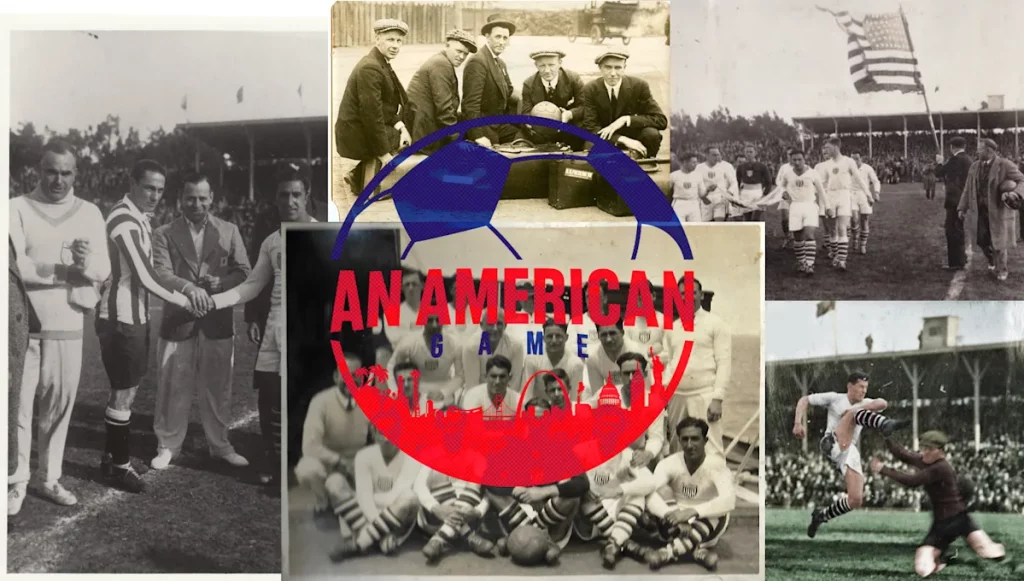
Understanding the growth of soccer in USA requires going back to its roots. Organised football has been played in America since the late 19th century. The American Cup was inaugurated in 1884, but over the following decades, several professional leagues collapsed. After the North American Soccer League folded in 1984, there appeared to be little future for the game.
The sport survived largely on grassroots energy and youth participation. By the early 1990s, an estimated 18 million Americans were playing soccer at some level. But there was no professional top tier to inspire them or develop talent into elite players.
That all changed when FIFA decided to take a gamble on American soil. FIFA President João Havelange pushed hard for the 1994 World Cup to be held in the United States a country with no professional league to show for it. The bet paid off in ways no one fully anticipated.
When Did Soccer Become Popular in America The 1994 Turning Point
For anyone asking when did soccer become popular in America, the honest answer starts with 1994. The 1994 World Cup was a commercial success. A record 3.5 million fans attended matches, averaging 68,991 per game. The US advanced from the group stage for the first time since 1930, losing 1-0 to eventual champions Brazil in the last 16, and seeds were planted for a professional league Major League Soccer.
The tournament proved that Americans would show up for world-class football. It also forced the country to build something lasting. In 1996, MLS finally kicked off, with the San Jose Clash edging DC United 1-0 as Eric Wynalda scored an 88th-minute goal.
Infrastructure followed quickly. Football-specific stadiums started springing up in 1999. Lamar Hunt’s Columbus Crew Stadium became the country’s first major purpose-built football venue since 1922. These physical investments signalled a serious commitment to the long-term growth of the sport.
Soccer Popularity in USA How the Landscape Changed
The history of soccer in America after 1996 is a story of steady, disciplined progress. Former US Soccer President Sunil Gulati told Al Jazeera: “If you said in 1994 MLS would be a 30-team league, with 22 soccer-specific stadiums and averaging 20,000 crowds not in our wildest dreams. The landscape is completely different.”
The numbers behind soccer popularity in USA today are genuinely striking. The US Soccer Federation now sanctions 127 professional teams 102 men’s and 25 women’s. That is a level of professional infrastructure that rivals many traditionally football-mad nations.
Gulati added: “Eighteen of the top 50 valued teams in the world are in MLS. That’s an extraordinary statistic. The women’s team in Columbus just sold for $205 million. Commercial interest in soccer and soccer leagues is at an all-time high.”
Growth of Soccer in USA 2020 The Numbers Tell the Story
The growth of soccer in USA 2020 onwards has been particularly dramatic, driven by multiple forces arriving at once. The number of outdoor soccer participants aged six or older reached 14.1 million through 2023 an 8.1% increase from the previous year and a 23% increase compared to 2018.
Viewership numbers confirm the same trend. MLS viewership grew from 30,627,000 viewers in 2018 to 48,164,000 in 2024, representing a 57% increase creating a fascinating symbiotic relationship between domestic and international soccer consumption.
Attendance figures are equally impressive. MLS set a record in 2024 with an average of 23,234 fans per game, surpassing 11 million total spectators in a season for the first time. To put this in context, MLS average attendance has now surpassed the NBA, which averages around 18,000 fans per game.
MLS Commissioner Don Garber confirmed that more than 12 million fans attended games in 2024, while MLS sponsorship revenue in 2025 was up double digits compared to 2024.
Soccer Growth in the U.S. Statistics The Messi Effect
No discussion of soccer growth in the U.S. statistics would be complete without addressing the Lionel Messi factor. When the eight-time Ballon d’Or winner signed with Inter Miami in 2023, the entire league felt the impact immediately.
MLS jersey sales grew by 41% from 2022 to July 2024 in no small part due to Messi’s arrival at Inter Miami. Crowds followed wherever he played. When Inter Miami visited the Columbus Crew and Chicago Fire each time playing in NFL stadiums more than 60,000 fans attended each game, creating attendance milestones for both clubs.
The rising popularity of soccer in the US has buoyed sponsorships and stadium attendance at Major League Soccer 30 years after the launch of the league. Messi did not create the growth, but he accelerated it in ways that no single signing had done before.
How Popular Is Soccer in the World America in Global Context
To appreciate where the US stands, it helps to understand how popular is soccer in the world. Football is the world’s most popular sport by virtually every measure participation, viewership, revenue, and cultural impact. An estimated 3.5 billion people worldwide follow the sport, and the FIFA World Cup remains the most watched single sporting event on Earth.
Within this global picture, the US has historically been an outlier. But that is changing rapidly. Soccer has recently surpassed ice hockey to become the fourth most popular sport among Americans. The sport is no longer niche in the country that once largely ignored it.
In the US, American football remains the most-watched sport, with 80% of adult sports fans watching it. Soccer sits at 27% but is on the rise when it comes to attendance and engagement.
The global appetite for the sport is now finding genuine expression in American stadiums, living rooms, and schoolyards. The 2022 FIFA Men’s World Cup Final drew 25.8 million combined viewers across FOX and Telemundo in the US up 31% over the 2018 Final. These are not numbers a niche sport produces.
Soccer Growth in USA Wikipedia What the Data Shows Over Decades
Looking at the broader arc of soccer growth in USA Wikipedia-style from decade to decade the trajectory is clear and consistent. The sport went from a novelty in the 1970s with the original NASL and Pelé at the New York Cosmos, to collapse in the 1980s, to rebirth in 1994, to slow but steady professional development through the 2000s and 2010s, and finally to mainstream status in the 2020s.
Since 2020, ten teams in MLS, NWSL, and USL Championship have called new soccer-specific stadiums home, reflecting the massive infrastructure investment happening across the country.
MLS currently sits at 9th place in Opta’s rankings of the strongest leagues in the world up from 23rd and 10th in the two previous seasons. That kind of improvement in global competitive standing is not accidental. It reflects investment, development, and growing ambition.
Flaws Remain Not Everyone Is Celebrating Yet
Despite the remarkable progress, voices within American soccer urge caution. Former US international Eric Wynalda, who scored 34 goals in 106 games for the US national team, sees the current system as a recipe for mediocrity, with millions of youngsters registered but few US players taking prominent roles on MLS teams.
Wynalda told Al Jazeera: “Look at the growth of MLS and you can say soccer looks professional, looks like a big deal, looks major league. And a lot of people look at the sport with a different lens now because it’s a legitimate sport. But facilities do not create ability. We need more focus on a competitive environment to develop players.”
He favours introducing promotion and relegation as a solution to raise competitive standards. The critique is fair filling stadiums is not the same as producing world-class players. The US national team ranked 16th in the world by FIFA is respectable, but the goal is higher.
Opinion America Is Ready, But the Best Is Still to Come
From a journalistic standpoint, the growth of soccer in USA is a genuinely compelling story. No other major sport has gone from near-extinction to mainstream relevance in the same country over the same timeframe. The sport was declared dead in America in the mid-1980s. Less than 40 years later, it is filling 60,000-seat NFL stadiums for club games and preparing to host the world’s biggest tournament.
Fox Sports commentator Alexi Lalas, a central defender for the US in 1994, captured it well when he said: “Soccer still isn’t king in the US, but let’s be honest, it’s part of the palate and certainly part of the landscape when it comes to this generation.”
Gulati believes the sport will continue growing after the World Cup: “That is what the legacy of the tournament is about and why we bid.”
The FIFA World Cup 2026 is not just a sporting event for the United States. It is the most visible proof yet that the growth of soccer in USA is real, sustained, and still accelerating.
Frequently Asked Questions (FAQs)
Which sport is growing fastest in the USA?
Soccer is widely considered the fastest-growing major sport in the United States. MLS viewership grew by 57% between 2018 and 2024, while outdoor participation numbers have also risen significantly. The upcoming FIFA World Cup 2026 on US soil is expected to push growth even further.
When did soccer get popular in the USA?
The 1994 FIFA World Cup, hosted by the United States, is widely considered the turning point. The tournament drew a record 3.5 million fans and led directly to the founding of Major League Soccer in 1996. Soccer popularity in USA has been growing steadily ever since, with the 2020s marking its entry into mainstream American sports culture.
What is the #1 sport in the US?
American football (NFL) remains the most-watched sport in the United States, with 80% of adult sports fans watching it. Soccer sits at 27% of adult fan interest but is rising steadily in both attendance and viewership, now ranking as the fourth most popular sport in the country.