
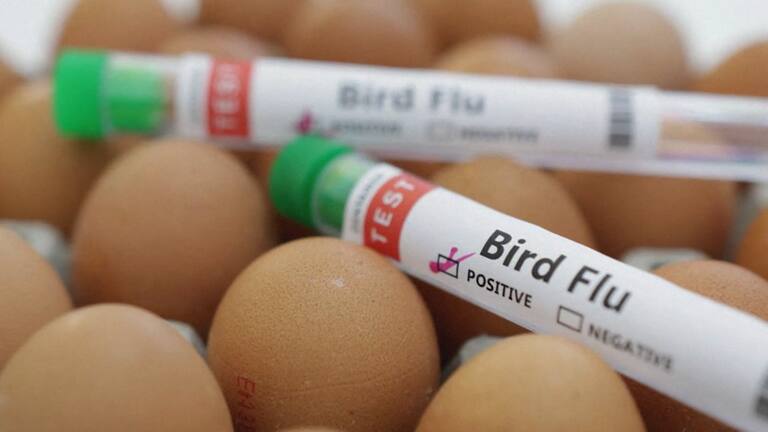
Australia has ramped up its H5 bird flu preparedness after confirming, for the first time, that the highly pathogenic H5 avian influenza virus has turned up in wild seabirds. Officials are calling it a significant moment for the country’s disease surveillance work, though so far, there’s no sign it’s spreading through commercial poultry or posing any real threat to the general public.
The finding has triggered tighter monitoring of wild bird populations, a push for stronger biosecurity on poultry farms, and closer coordination between federal and state agencies. Health authorities are keeping the message consistent: risk to people remains low, but keeping a close eye on the situation matters more than ever.
Australia Detects H5 Bird Flu in Wild Seabirds
For the first time, Australia has confirmed highly pathogenic H5 avian influenza in its wild seabird population. It’s a notable milestone; this strain has already swept across several continents in recent years, hitting both wild birds and poultry industries hard.
The fact that it was caught at all says something about how well Australia’s surveillance system is working; this was picked up through routine monitoring, not a crisis response. Authorities keep coming back to the same point: catching something early is what actually keeps outbreaks from spiralling.
Exactly how the virus made its way into Australian wildlife is still being worked out. Migratory birds are the leading theory, but scientists are still digging into the specifics.
Background: Why H5 Australia Monitoring Has Increased
Australia’s had a fairly good run, all things considered. For years, it stayed largely clear of the widespread H5 outbreaks that hit elsewhere, thanks in large part to tight border controls, its geographic isolation, and rigorous biosecurity practices.
But the rest of the world hasn’t been so lucky. Outbreaks have swept through Europe, Asia, North America, South America, and parts of Africa, wiping out millions of wild birds and poultry, and rattling food production and economies along the way.
As those outbreaks kept spreading globally, Australian authorities didn’t sit still; surveillance ramped up, especially along the routes migratory birds tend to follow. In a way, this latest detection is proof that all that groundwork paid off.
Bird Flu Cases in Australia Remain Under Close Surveillance
Even with this detection, bird flu cases in Australia are still limited; there’s no evidence yet of the virus spreading into commercial poultry. Surveillance teams are keeping tabs on both wild and domestic bird populations as a precaution.
Vets are running extra tests in the areas where the virus turned up, trying to figure out if it’s spread any further than the initial sites. Farms near those locations are also stepping up their own precautions, just in case.
Monitoring is active right across multiple states, and reporting systems are set up so vets, wildlife groups, and farmers can flag anything unusual — like a cluster of bird deaths — almost immediately.
Avian Influenza Surveillance Australia Expands Nationwide
Since the detection, the country’s disease-monitoring net has widened considerably. Avian influenza surveillance in Australia now covers broader testing of wild birds, more frequent inspections at poultry facilities, and tighter coordination between environmental and agricultural agencies.
Researchers are collecting samples from a range of bird species to get a clearer picture of how the virus might be moving through local ecosystems. That groundwork matters; it’s what lets authorities spot trouble before it reaches commercial farms.
Lab testing is also helping scientists map out the virus’s genetic makeup, which feeds into the bigger international effort to understand how different strains evolve and travel between regions.
Biosecurity Measures Strengthened Across Poultry Farms
Poultry producers across the country have been told to tighten up their biosecurity. That means cutting back on unnecessary visitors, stepping up cleaning routines, and keeping domestic birds as far from wild birds as possible.
Water sources, feeding setups, and housing are all getting extra scrutiny too, since these are the kinds of places where transmission tends to happen. Farm workers have also been reminded to flag any sick-looking birds right away rather than waiting to see if it passes.
Industry groups are working hand-in-hand with government agencies to make sure preparedness plans hold up if more detections come through.
Melbourne Bird Flu Monitoring Continues
There’s been a fair bit of chatter specifically around Melbourne bird flu, but authorities have been clear that surveillance isn’t limited to one city; it stretches across multiple regions where migratory birds tend to congregate depending on the season.
Wildlife officers are out regularly checking wetlands, coastal areas, and breeding grounds. The samples gathered from these spots feed straight back into the national picture of how active the disease is.
If you come across a wild bird acting oddly, officials would rather you didn’t panic or handle it yourself. Reporting sick or dead birds to local authorities is the better move.
Pigeons and Bird Flu: What Experts Say
Whenever bird flu makes headlines, questions about pigeons and bird flu tend to follow close behind. The short answer from experts: yes, plenty of bird species can catch it, but not all of them play the same role in spreading it around.
Wild waterfowl, ducks, geese, and the like are considered the main natural carriers. Pigeons seem to be less prone to infection by comparison, though they’re still part of ongoing surveillance work.
Either way, the advice stays the same: don’t touch sick or dead birds, whatever species they are. Reporting them instead helps authorities track what’s going on without putting anyone at unnecessary risk.
Human Health Risk Remains Low
Health authorities keep coming back to the same reassurance: the risk to the general public is low. Human cases of H5 avian influenza are rare, and when they do happen, it’s almost always someone who’s had extended, close contact with infected birds.
On the food side, properly cooked poultry is still considered safe. Basic kitchen hygiene, cooking chicken thoroughly, and keeping raw and cooked foods separate are enough to protect against any foodborne risk.
Behind the scenes, public health systems are staying alert. Hospitals, labs, and surveillance networks are all keeping an eye out for anything unusual that might point to avian flu in humans.
Economic Importance of Australian Bird Flu Preparedness
Australia’s poultry industry isn’t a small player; it’s a major contributor to both food supply and jobs nationally. Protecting it from a serious outbreak isn’t just a public health concern; it’s an economic one too.
If the virus were to get out of hand, it could mean disrupted production, tighter egg supplies, and rising costs for producers — the kind of ripple effect that eventually reaches consumers as well. That’s part of why preparedness matters so much: it protects farmers, shoppers, and export markets all at once.
Catching things early, as happened here, is exactly what keeps a manageable situation from turning into a costly one.
Global Response Shapes Australian Preparedness
Australia doesn’t handle this in isolation. The country works closely with international bodies and veterinary experts, sharing findings and comparing notes as avian flu developments unfold elsewhere.
That kind of cooperation has only become more important as migratory birds keep crossing borders and continents, carrying whatever they’re carrying with them. The more research goes into how these viruses evolve and spread, the better prepared everyone is.
Australia also keeps updating its own preparedness plans based on what’s been learned from outbreaks overseas, a fairly practical way of making sure the next response is faster than the last.
What Happens Next?
Expect surveillance to keep running through the migration season and beyond. Scientists will continue testing wild birds while farms stay under watch for any signs of trouble.
There’s still more to learn about whether this stays a contained, isolated detection or turns into something more established within certain bird populations. Public reporting of sick or dead birds will keep playing a part in that picture.
For now, officials are leaning on the same combination that’s worked so far: staying prepared, catching things early, and keeping biosecurity tight.
Conclusion
Finding H5 avian influenza in Australia’s wild seabirds is a genuinely important moment for how the country tracks wildlife disease. It’s put H5 bird flu Australia preparedness back in the spotlight, but authorities are sticking to their message that the risk to public health remains low.
Wider avian influenza surveillance in Australia, tighter farm biosecurity, and continued research are likely to be the main tools keeping this from becoming a bigger outbreak. As things develop, the advice from officials is fairly simple: stay alert, don’t panic, and trust that the systems built for exactly this moment are doing their job.
FAQs
What is the H5 bird flu?
H5 bird flu is a strain of avian influenza that mostly affects birds. Certain versions, like H5N1, are classed as highly pathogenic because they can cause severe illness and high death rates in poultry and some wild bird species. Humans rarely catch it, and when they do, it’s usually after close, prolonged contact with infected birds. Scientists keep a close watch on H5 strains because migratory birds can carry them across borders, with real consequences for agriculture and wildlife alike.
Can we eat KFC chicken during the bird flu?
Yes, properly cooked chicken stays safe to eat even during a bird flu outbreak. Cooking poultry to the right internal temperature kills the virus outright. Restaurants, including big chains like KFC, follow strict food safety and sourcing rules regardless. The main thing for home cooks is sticking to normal hygiene practices, like not letting raw and cooked poultry cross paths in the kitchen.
How did bird flu get to Australia?
The leading theory is that migratory birds, many species travel thousands of kilometres between continents each year, and it’s entirely possible one carried the virus along with it. Researchers are still running genetic analysis and surveillance to pin down the exact route and check whether other bird populations might be affected. Australia’s ongoing monitoring programs exist largely for moments like this to catch things as early as possible.