(Publish from Houston Texas USA)
(By: Mohammad Abdal Khan)
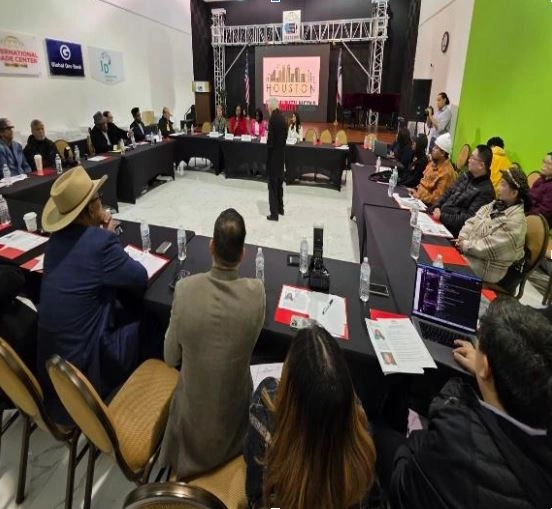
The quest for stable, affordable housing is a universal aspiration, yet for many residents of Houston, Texas, it remains an increasingly difficult challenge. The city’s dynamic growth and rising property values have placed immense pressure on low-to-moderate-income families, a demographic that includes a significant portion of the vibrant South Asian diaspora. Recognizing the urgency of this issue, Houston Community Media convened a crucial and highly informative briefing titled “Getting Housed, Staying Housed in Houston.” This event, held on Tuesday, January 27, 2026, at the Southern News Group facility, served as a vital platform to explore systemic solutions through the lens of a diverse group of experts.
The discussion was skilfully guided by Sandy Close, the founder of Houston Ethnic Media and American Community Media (ACoM). Close’s long-standing commitment to empowering ethnic media outlets ensured that the complex policy discussions were translated into actionable information relevant to the city’s myriad communities. Her moderation provided the necessary depth and context, highlighting how the housing crisis disproportionately affects minority and immigrant populations, and how the media plays a crucial role in bridging the information gap.
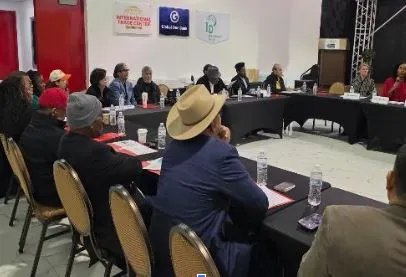
The panel comprised five distinguished leaders, each representing a critical pillar in the ecosystem of housing stability: land development, permanent affordability, academic research, direct services, and community resource connection. Their collective insights painted a comprehensive picture of the problem and, more importantly, offered tangible, collaborative pathways toward a more equitable housing future for all Houstonians.
The Panellists: Architects of a Housed Houston
The briefing featured a distinguished group of experts, each bringing a unique perspective to the multifaceted challenge of housing in Houston:
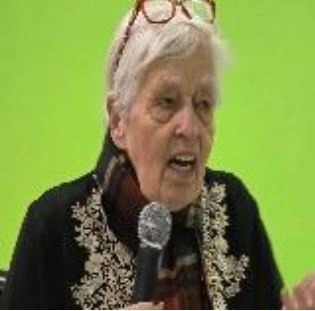
Sandy Close (Moderator): Founder of Houston Ethnic Media and American Community Media (ACoM). Close is a veteran journalist and media executive with decades of experience in elevating the voices of diverse communities and ensuring critical information reaches all segments of the population.
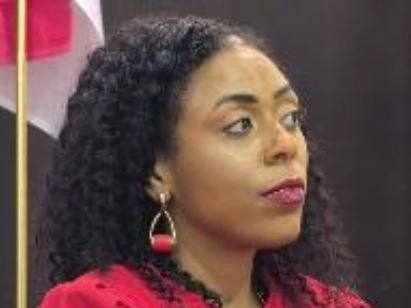
Christa Stoneham: President and CEO of the Houston Land Bank (HLB). An architect and urban planner by training, she leads HLB’s mission to strategically repurpose more than $100 million in vacant public land to create permanent, affordable housing.
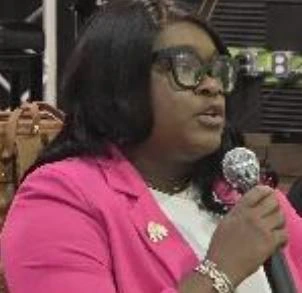
Ashley Allen: Executive Director of the Houston Community Land Trust (HCLT). Dr. Allen is a passionate advocate for socially just communities, utilizing the Community Land Trust model to secure long-term affordable homeownership and combat gentrification.
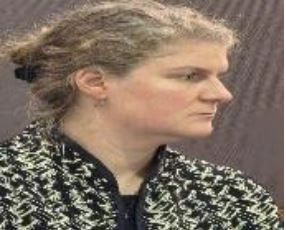
Anna Rhodes: Associate Professor of Sociology at Rice University. Dr. Rhodes provides the academic foundation for the discussion, with research focusing on the critical link between residential stability, educational outcomes, and social inequality.
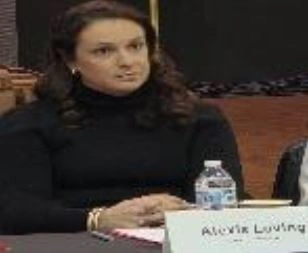
Alexis Loving: President and CEO of SEARCH Homeless Services. Ms. Loving is a dedicated non-profit leader who oversees SEARCH’s comprehensive approach to providing hope, opportunity, and a pathway out of homelessness for thousands of Houstonians.
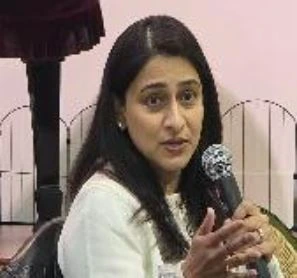
Aarti Goswami: Assistant Vice President of United Way Greater Houston, Community Outreach – 211. An accomplished clinical and non-profit leader, Ms. Goswami directs the vital 211 Texas/United Way HELPLINE, connecting residents to essential social services, including housing and utility assistance.
Securing the Foundation: Land and Long-Term Affordability
The session began by addressing the fundamental barrier to affordability: the cost of land. Two key organizations are working to disrupt the traditional real estate market to ensure that land is used for community benefit.
Christa Stoneham, President and CEO of the Houston Land Bank (HLB), articulated the organization’s powerful strategy to reclaim and repurpose public assets. The HLB operates with a clear mission: to “strategically acquire, dispose, and steward vacant, abandoned, and damaged properties into productive use and to address the critical shortage of affordable housing.”
Ms. Stoneham detailed the Land Bank’s success in leveraging over $100 million worth of underutilized government-owned land. By controlling the land cost, the HLB enables developers to build affordable homes without the prohibitive expense of market-rate land acquisition. This strategic intervention is paramount, as it addresses the root cause of high housing costs and ensures that public resources are reinvested into creating genuinely affordable housing opportunities.
Complementing this effort, Ashley Allen, Executive Director of the Houston Community Land Trust (HCLT), presented a model designed for permanent affordability. The HCLT’s goal is to “make affordable homeownership achievable and accessible for low-income households in Houston.” This model is particularly relevant for immigrant and first-generation homebuyers, including those from the South Asian community, who often struggle to enter the housing market.
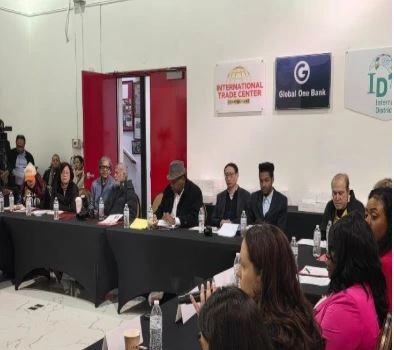
By holding the land in trust and selling only the home structure, the HCLT drastically reduces the purchase price and ensures that the home remains affordable for future generations. Dr. Allen emphasized that this mechanism is a powerful defense against gentrification and economic displacement, offering a secure path to building intergenerational wealth without sacrificing the long-term affordability of the community.
The Safety Net and Community Connection
The discussion then moved to the essential services that support individuals and families who are either on the brink of homelessness or actively navigating the complex journey out of it.
Alexis Loving, President and CEO of SEARCH Homeless Services, provided a poignant perspective from the front lines of the homelessness crisis. SEARCH’s mission is to offer “hope, creating opportunity, and transforming lives for thousands of men, women, and children who are homeless.” Ms. Loving highlighted the necessity of a compassionate, comprehensive approach that extends beyond mere shelter to include healthcare, education, and stabilization services. Her remarks on the sensitive process of humanely decommissioning encampments underscored the organization’s commitment to connecting individuals with permanent housing solutions and the necessary support systems to maintain stability.
Of particular note to the South Asian community was the presentation by Aarti Goswami, Assistant Vice President of United Way Greater Houston, Community Outreach – 211. Ms. Goswami, an accomplished clinical and non-profit leader, is a visible and influential figure whose work directly impacts the community’s access to vital resources. She focused on the 211 Texas/United Way HELPLINE, which functions as the region’s central hub for social services.
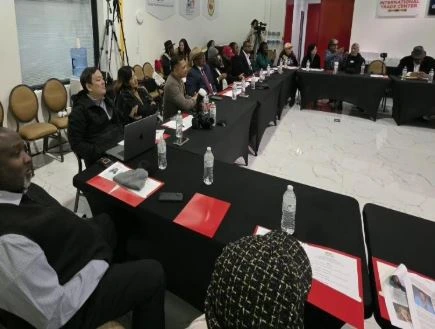
Ms. Goswami explained how 211 connects residents to a vast network of aid, including crucial housing assistance, utility payment support, and behavioral and mental health services. Her advocacy for sustained 211 funding is a direct investment in the community’s ability to weather financial crises and prevent housing instability. For South Asian families, who may face language barriers or cultural hesitancy in seeking aid, the 211 service, championed by a leader like Ms. Goswami, provides a trustworthy and accessible entry point to the social safety net.
The Academic Imperative: Housing as a Social Determinant
Providing the evidence-based foundation for the entire discussion was Anna Rhodes, Associate Professor of Sociology at Rice University. Dr. Rhodes’ research is critical in validating the efforts of the non-profit and public sectors by demonstrating the profound societal impact of housing. Her work, which integrates urban sociology and the sociology of education, investigates the dynamic link between where a family lives and the long-term outcomes for their children.
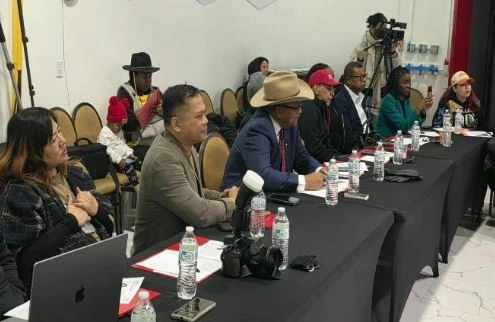
Dr. Rhodes’ findings on the impact of housing subsidies on childhood education are particularly compelling. She demonstrated that stable, affordable housing is not just a matter of comfort; it is a fundamental determinant of a child’s educational trajectory and future economic mobility. This academic validation reinforces the necessity of the Land Bank and Community Land Trust models, proving that investments in housing are, in fact, investments in the future human capital of the city.
A Blueprint for Community Stability
The “Getting Housed, Staying Housed” briefing provided a powerful and unified message: solving the housing crisis requires a coordinated, multi-sector strategy. The collaboration demonstrated by the panellists offers a clear blueprint for how a major metropolitan area can address its most pressing social challenge. This strategy is anchored by the distinct contributions of each speaker: Christa Stoneham’s work at the Houston Land Bank focuses on Land Acquisition & Development to reduce the cost of housing; Ashley Allen’s leadership at the Houston Community Land Trust ensures Permanent Homeownership by creating intergenerational wealth and securing long-term affordability; Anna Rhodes’ Research & Policy from Rice University provides the evidence that housing stability is crucial for educational and economic mobility; Alexis Loving’s role at SEARCH Homeless Services provides Direct Homeless Services and a pathway to permanent housing; and Aarti Goswami’s oversight of United Way 211 ensures Resource Connection to prevent crises and support recovery.
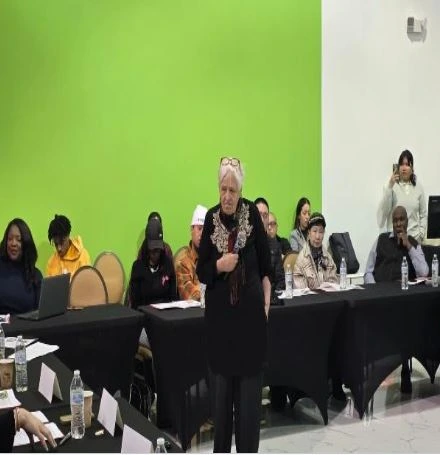
For the South Asian community, which is deeply invested in the success and stability of its families, the information presented by these leaders is invaluable. The models for affordable homeownership offer a tangible way to achieve the American Dream, while the accessibility of the 211 HELPLINES, championed by a community leader, provides a necessary lifeline during times of need. The commitment of Houston Community Media, under the leadership of Sandy Close, to bring this critical dialogue to the forefront is a testament to the power of informed community engagement. The path to a housed and stable Houston is paved with these collaborative efforts, offering hope and a clear direction for a more equitable future.
Conclusion
The “Getting Housed, Staying Housed in Houston” briefing was a pivotal moment for community dialogue, demonstrating a unified, multi-sector commitment to solving the city’s housing crisis. The combined expertise of the panellists—from the strategic land use of the Houston Land Bank and the permanent affordability model of the Community Land Trust, to the critical research of Rice University, the direct intervention of SEARCH Homeless Services, and the resource connection of United Way 211—underscores a fundamental truth: housing security is a complex challenge that demands a complex, collaborative solution.
For the South Asian community, the models presented offer tangible pathways to stability and wealth creation, while the visibility of leaders like Aarti Goswami reinforces the accessibility of the social safety net. The briefing serves as a crucial call to action for policymakers, community leaders, and residents alike to support these vital initiatives and ensure that the right to a stable home is a reality for every Houstonian.
For more reading please visit our Articles.