
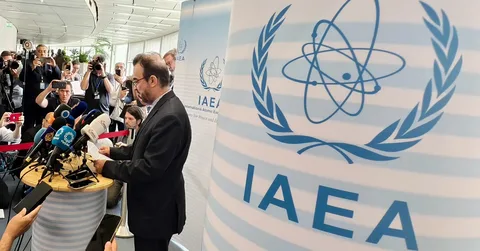
The latest IAEA report 2025 has sparked international debate after the agency raised fresh concerns regarding Iran’s nuclear activities. The International Atomic Energy Agency continues to play a central role in global nuclear monitoring, especially during periods of geopolitical tension. The report was discussed during recent diplomatic meetings and has already influenced conversations among major world powers.
According to IAEA latest news updates, inspectors identified unresolved issues connected to uranium enrichment and monitoring access. Several member states called for greater transparency and stricter cooperation from Tehran. The developments have increased pressure on international negotiators seeking diplomatic solutions in the region.
Growing Importance of the IAEA in Global Nuclear Security
The International Atomic Energy Agency is responsible for promoting peaceful nuclear energy while preventing the spread of nuclear weapons. Over the years, the organization has become one of the world’s most influential nuclear watchdogs. Its inspections and technical assessments often shape international policy decisions.
The IAEA Member States continue to rely on the agency for independent nuclear verification. Countries across Europe, Asia, and the Middle East closely monitor the agency’s findings because they impact regional security and diplomatic relations. The organization’s reports are considered highly important by governments and international institutions.
IAEA Board of Governors March 2025 Meeting
The IAEA Board of Governors March 2025 meeting focused heavily on Iran’s nuclear program and ongoing verification concerns. Diplomats from multiple countries reviewed inspection data and discussed future monitoring arrangements. Several representatives expressed concern over reduced cooperation and unresolved safeguards questions.
The Board of Governors meeting also addressed technical assistance programs, nuclear safety initiatives, and energy cooperation between member countries. However, Iran remained the primary issue dominating the discussions. Analysts described the meeting as one of the most significant sessions held in recent years.
Resolution Against Iran IAEA Gains International Support
A major development during the recent meetings was the growing support for a new resolution against Iran IAEA concerns. Western countries argued that stronger accountability measures are necessary to ensure compliance with international nuclear agreements. The proposed resolution reportedly seeks greater transparency and expanded inspection access.
Iran rejected several accusations and maintained that its nuclear activities remain peaceful. Officials in Tehran criticized political pressure from Western governments and accused some nations of using the agency for geopolitical objectives. Despite these disagreements, diplomatic negotiations are expected to continue in the coming months.
International observers believe the resolution may increase tensions between Iran and several major powers. At the same time, some experts argue that stronger oversight could help prevent future escalation and restore trust in nuclear diplomacy.
IAEA Press Statements Highlight Monitoring Challenges
Recent IAEA Press briefings emphasized the complexity of monitoring nuclear facilities during periods of political instability. Agency officials explained that technical verification requires cooperation from all participating countries. Inspectors also highlighted the importance of maintaining continuous access to nuclear sites.
The agency stated that independent inspections remain essential for global security. Officials warned that reduced transparency could increase uncertainty regarding nuclear activities in sensitive regions. Several governments responded by calling for renewed diplomatic engagement and stronger compliance mechanisms.
The IAEA also stressed that its role is technical rather than political. Representatives repeatedly stated that the agency operates based on scientific verification and international legal frameworks rather than geopolitical interests.
Impact on Global Diplomacy and Regional Stability
The latest IAEA report 2025 may significantly influence international diplomacy during the coming year. Governments involved in nuclear negotiations are expected to use the report as a reference point for future talks. The findings could also affect sanctions discussions and regional security policies.
Middle Eastern countries are closely watching developments because nuclear tensions directly impact regional stability. Any increase in diplomatic conflict could affect trade routes, energy markets, and broader geopolitical relations. Security analysts believe continued dialogue will remain necessary to avoid further escalation.
European nations have encouraged both Iran and Western powers to return to constructive negotiations. Several diplomats warned that rising tensions may reduce the chances of restoring long-term nuclear agreements.
IAEA Country Profiles and Technical Cooperation Programs
Apart from nuclear monitoring, the agency also manages major scientific and technical cooperation programs worldwide. The IAEA Country Profiles provide detailed information regarding nuclear energy projects, safety standards, and peaceful atomic research initiatives across member nations.
Many developing countries depend on the agency for technical support in healthcare, agriculture, water management, and clean energy development. Nuclear technology is increasingly being used for cancer treatment, food preservation, and climate research. These initiatives demonstrate that the agency’s work extends beyond security and diplomacy.
The IAEA Member States continue to collaborate on scientific research and emergency preparedness programs. Experts believe international cooperation remains essential for ensuring safe and responsible nuclear development.
IAEA Board of Governors Meetings 2026 Expected to Be Crucial
Analysts believe the upcoming IAEA Board of Governors Meetings 2026 will be highly important for global nuclear diplomacy. Future meetings are expected to revisit unresolved concerns regarding Iran while also discussing broader international nuclear challenges.
Several diplomats predict that monitoring mechanisms, inspection access, and safeguard agreements will dominate future discussions. The agency may also face increasing pressure to strengthen verification systems in politically sensitive regions.
Observers expect additional debates regarding nuclear energy expansion, climate-friendly technology, and international safety standards. As more countries invest in nuclear infrastructure, the role of the IAEA is expected to grow even further.
International Reactions to the Latest Developments
Countries reacted differently following the publication of the report. Some governments supported stronger monitoring measures, while others urged caution and diplomatic restraint. Russia and China called for balanced negotiations and warned against actions that could increase instability.
The United States and several European allies supported continued pressure for transparency and compliance. Meanwhile, regional powers emphasized the need for peaceful solutions to avoid wider conflict. International organizations also urged all sides to maintain open communication channels.
Political experts noted that nuclear diplomacy remains one of the most sensitive areas of international relations. Any major disagreement involving nuclear programs can quickly affect global security and economic stability.
Future Outlook After the IAEA Report 2025
The coming months will likely determine whether diplomatic negotiations can reduce tensions surrounding Iran’s nuclear activities. Many analysts believe the latest report could either encourage renewed cooperation or deepen political divisions depending on how governments respond.
The International Atomic Energy Agency is expected to continue inspections and technical assessments while engaging with all parties involved. Future IAEA latest news updates may provide additional information regarding verification efforts and diplomatic progress.
Global leaders continue to emphasize that peaceful negotiation remains the preferred path forward. The international community now waits to see how upcoming meetings and diplomatic discussions shape the future of nuclear security and regional stability.
FAQs
What are the three pillars of the IAEA activities?
The three pillars of the IAEA activities include nuclear safety and security, science and technology, and safeguards with verification. These pillars help the organization promote peaceful nuclear energy while ensuring that nuclear materials are not used for military purposes. The agency also supports medical research, environmental protection, and global scientific cooperation through these core functions.
What are the main missions of IAEA?
The main missions of the International Atomic Energy Agency are to promote the peaceful use of nuclear technology, prevent the spread of nuclear weapons, and ensure nuclear safety worldwide. The organization conducts inspections, supports scientific research, and provides technical assistance to member countries. It also helps nations improve healthcare, agriculture, and clean energy through nuclear science programs.
What is the IAEA agreement?
The IAEA agreement generally refers to safeguards agreements signed between countries and the agency. These agreements allow the IAEA to inspect nuclear facilities and verify that nuclear materials are being used for peaceful purposes only. Such agreements form an important part of global non-proliferation efforts and international nuclear law.
Why is the IAEA important in international relations?
The IAEA is important because it acts as an independent nuclear watchdog that helps maintain international security and trust. Its inspections and reports influence diplomatic negotiations, sanctions policies, and regional stability. Many governments rely on the agency’s technical expertise to verify nuclear compliance and reduce the risk of nuclear conflict.
How do IAEA Board of Governors meetings affect global politics?
The IAEA Board of Governors meetings often shape international discussions regarding nuclear safety and security. Decisions made during these meetings can influence diplomatic negotiations, sanctions, and monitoring policies. Countries closely follow these sessions because they affect both regional tensions and global non-proliferation efforts.