
Former White House Staffer Fined $172,000 for Betting on Trump Speeches Using Insider Information

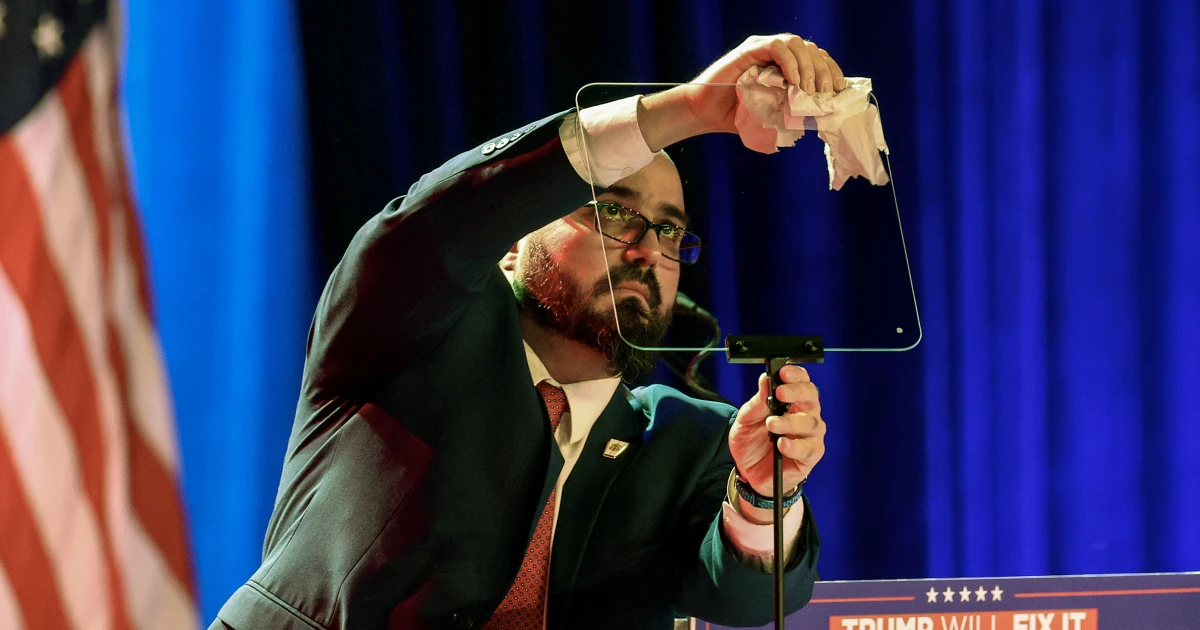
WASHINGTON: A former White House teleprompter operator has been ordered to pay more than $172,000 after using confidential information about US President Donald Trump’s upcoming speeches to place bets on a prediction market platform.
Gabriel Perez was found to have traded on Kalshi, a platform that allows users to bet on the outcomes of real-world events. According to US regulators, Perez used advance knowledge of what Trump was expected to say during several presidential addresses between December 2025 and February 2026.
The Commodity Futures Trading Commission (CFTC) said Perez will be required to surrender $107,539.02 in profits and pay an additional $65,000 civil penalty. He has also been banned from trading for three years.
The regulator said Perez had “misappropriated” information about Trump’s speeches and used that knowledge to place trades, violating what it described as his duty of trust and confidence.
The CFTC announced the settlement on Friday and said the civil penalty was reduced because Perez provided “exemplary co-operation” during the investigation.
The case highlights growing regulatory scrutiny of prediction markets, where participants can trade contracts linked to political, economic and other real-world events. Such platforms have attracted increasing attention as they allow users to potentially profit from information about future developments.
In Perez’s case, regulators concluded that his position inside the White House gave him access to information that was not publicly available. Using that information to make trades created an unfair advantage over other market participants who did not have access to the same details.
The White House has not yet issued a comment on the settlement. In July, then-White House press secretary Karoline Leavitt said Perez had been placed on unpaid leave and would not return to his position.
The CFTC’s action demonstrates that individuals with access to confidential government information can face financial penalties and restrictions if they use that information for personal financial gain.
Kalshi’s lead lawyer, Bobby DeNault, welcomed the regulatory decision. In a post on X, he said the outcome showed that rules and federal law applied regardless of a person’s position or identity.
The settlement also comes amid broader debate over the rapid growth of prediction markets in the United States. Platforms such as Kalshi have expanded into markets covering politics, economics, sports and other events, prompting regulators and lawmakers to examine how insider information and market integrity should be handled.
For Perez, the settlement means surrendering more than $107,000 in trading profits, paying a $65,000 penalty and remaining barred from trading on regulated markets for three years.
The case serves as a warning that employees who have access to sensitive or advance information cannot necessarily use that knowledge to gain an advantage in prediction markets. Regulators are increasingly focused on ensuring that participants compete on an equal footing and that confidential information is not exploited for financial gain.