
Summary
Prime Minister Shehbaz Sharif has launched a small vehicle subsidy to soften the blow of high fuel prices on ordinary citizens. The relief covers motorcycles, rickshaws, Qingqis and small cars with engines up to 800cc. Under the scheme, eligible users get Rs100 per litre off petrol, capped at a fixed monthly quota. The move comes as global oil prices climb due to fresh tensions in the Middle East, pushing up the cost of fuel across Pakistan.
Background
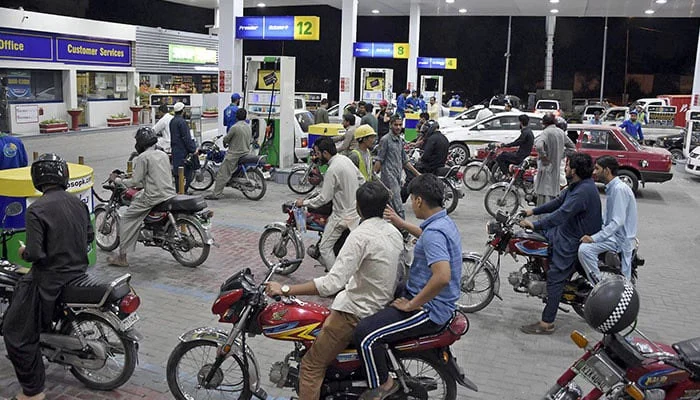
Pakistan has been grappling with high fuel prices for months, and the latest spike in the international oil market has made things harder for households that depend on two-wheelers and small cars for daily travel. Renewed conflict in the Middle East has rattled energy markets, and Islamabad has felt the impact almost immediately at the pump.
Rising petrol and diesel prices hit low- and middle-income families the hardest, since motorcycles and small vehicles remain the most common mode of transport in Pakistan’s cities and towns. The government has said it is aware of this pressure and does not want to leave the public to absorb the full cost on their own.
This is not the first time such a relief package has been introduced, but the scale and structure of this subsidy for small vehicles mark a fresh attempt to directly target the segment of the population most exposed to fuel inflation.
Details
According to the Prime Minister’s Office, the small vehicle subsidy will work as a direct discount rather than a blanket price cut. Motorcycle, rickshaw and Qingqi owners will get Rs100 per litre relief on up to 20 litres of petrol every month. Owners of small cars with engines up to 800cc will receive the same Rs100 per litre discount, but on a slightly larger quota of 30 litres a month.
In practical terms, that works out to a maximum saving of around Rs2,000 a month for two- and three-wheeler users and roughly Rs3,000 a month for small car owners. It is not an unlimited subsidy, so anyone using more fuel than the set quota will pay the regular market price on the remaining litres.
Registration for the scheme opened on Sunday, and the government has built a digital system with support from NADRA, provincial authorities and telecom operators to verify eligible vehicles. Officials say people will not need to visit any office in person, as the process has been designed to run through mobile registration and fuel tokens.
The rollout will happen in phases. The vehicle subsidy policy will first take effect in Islamabad from the night between Monday and Tuesday. It will then be extended to the rest of the country, including Azad Jammu and Kashmir and Gilgit-Baltistan, from the night between Wednesday and Thursday. An awareness campaign is expected to guide the public through the registration steps in the coming days.
Quotes
Prime Minister Shehbaz Sharif said the government fully understands the strain that high fuel prices have placed on ordinary households and stressed that people would not be left to face this difficult period on their own. He also thanked provincial governments for helping compile data on registered motorcycles, rickshaws and small vehicles, which made it possible to prepare the system in a short span of time.
Officials from the IT ministry, which is helping run the digital side of the scheme, said the registration and token system was built on special directives from the Prime Minister’s Office to ensure the relief reaches genuine small vehicle owners without delay.
Impact
For everyday commuters, this subsidy for small vehicles could offer some breathing room at a time when household budgets are already stretched. Motorcycle riders and rickshaw drivers, many of whom rely on their vehicles for daily earnings, stand to gain the most, since fuel is often their single biggest running cost.
The auto sector subsidy angle also matters for Pakistan’s local car industry. Small cars in Pakistan, particularly 800cc models, have seen demand cool in recent years due to inflation and financing costs. A fuel-linked benefit tied specifically to this vehicle category could nudge more buyers back toward affordable vehicles Pakistan manufacturers already produce in large numbers, giving assemblers a reason to keep production lines active.
At a broader level, the scheme reflects how sensitive Pakistan’s economy remains to global oil price swings. With tensions in the Middle East showing no clear sign of easing, authorities may need to keep adjusting fuel prices in Pakistan and related relief measures depending on how international crude markets move in the weeks ahead.
Conclusion
The government has signalled that this small vehicle subsidy is meant as an immediate cushion rather than a permanent fix, and its future will likely depend on how long global oil prices stay elevated. If tensions in the Middle East continue, further adjustments to the vehicle subsidy policy, or additional support for small cars in Pakistan, cannot be ruled out. For now, motorcycle, rickshaw and small car owners across Islamabad and the rest of the country will be watching closely as registration opens and the scheme moves toward a full nationwide rollout.
FAQs
What is the proposed subsidy for small vehicles in Pakistan?
The government has introduced a small vehicle subsidy that gives Rs100 per litre relief on petrol to owners of motorcycles, rickshaws, Qingqis and cars with engines up to 800cc. Two- and three-wheeler users can claim this discount on up to 20 litres of petrol per month, while small car owners can claim it on up to 30 litres per month. Registration is being handled digitally with support from NADRA, provincial governments and telecom companies, and the scheme is being rolled out first in Islamabad before it reaches the rest of the country.
How can small vehicle subsidies help consumers amid high fuel prices?
With high fuel prices in Pakistan driven by global oil market pressure, everyday commuters who rely on motorcycles, rickshaws or small cars have been spending a growing share of their income on petrol alone. A targeted subsidy for small vehicles directly lowers that monthly fuel bill for the vehicles used most often by low- and middle-income households, effectively acting as a cushion against fuel inflation without requiring a cut in the overall pump price for everyone.
What impact could the subsidy have on Pakistan’s automotive industry?
An auto sector subsidy tied to small vehicles could help sustain demand for affordable vehicles Pakistan already assembles locally, especially 800cc cars that have struggled with slowing sales in recent years. By reducing the running cost of owning a small car, the scheme may encourage more buyers to consider entry-level models, which in turn could support production volumes, dealership activity and jobs linked to the local auto sector during a period of economic pressure.