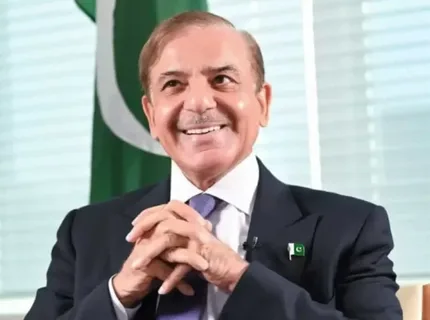

Pakistan’s export sector is under fresh pressure to clean up its act. Prime Minister Shehbaz Sharif used a review meeting in Islamabad this week to order a push on export quality standards, telling officials that Pakistani goods need to match what international buyers already expect elsewhere.
The session covered more than quality checks. It touched trade policy, technology adoption, and the everyday paperwork that exporters deal with, all under the same goal: getting more Pakistani products past foreign border checks and onto store shelves abroad.
Background
Pakistan export standards have been a sticking point for years. Exporters in sectors like food, textiles, and leather have often found their shipments held up or rejected in demanding markets because certification or packaging did not meet the buyer’s requirements. That gap has cost the country business it could otherwise have won.
The government has tried piecemeal fixes before, including adjustments to the Export Development Fund and changes at the Trade Development Authority of Pakistan. This week’s meeting suggests officials now want a more coordinated push rather than isolated tweaks.
Details
PM Shehbaz Sharif told the meeting that Pakistan export standards need to be brought fully in line with international regulations, and that the country’s quality assurance system has to work better than it currently does. That instruction covers everything from factory-level checks to the paperwork that follows a shipment overseas.
Sector diversification was a second major theme. The prime minister wants more industries, not just the traditional exporters, prepared to sell abroad. Officials were told to identify which additional sectors have export potential and build support around them.
Value addition also got specific attention. Instead of shipping raw materials or basic processed goods, the government wants local industry to finish more of the work domestically, so Pakistani exports capture more value before they ever leave the country.
The meeting also pushed for wider use of modern technology and research within export industries. PM Shehbaz Sharif directed that innovation be treated as part of staying competitive, not as an optional upgrade for larger firms only.
On process, the instruction was blunt: cut the red tape. Administrative and business hurdles that exporters currently face should be removed, with the goal of making the entire export process faster and more transparent from factory to foreign port.
Quotes
The prime minister told officials that quality assurance systems must be made more effective and that full compliance with international standards and regulations has to be ensured across the board.
He added that export growth should be treated as the foundation of the country’s economic progress, a line that officials in attendance took as a signal that trade policy will stay a top priority in coming months.
Impact
Tighter export quality standards, if actually enforced, could change how foreign buyers view Pakistani suppliers. Markets in the European Union and North America in particular tend to reject shipments over certification gaps rather than price, so closing that gap matters more than it might first appear.
A push into new sectors would also matter for jobs. Export-oriented industries tend to create steadier employment than sectors serving only the domestic market, since foreign orders often come with longer production runs.
Faster, more transparent export procedures would help smaller exporters most. Larger firms can usually absorb delays and extra costs; smaller businesses often cannot, and simplifying the process tends to open the door for them to compete internationally for the first time.
Conclusion
None of this changes overnight. Quality assurance reforms, sector diversification, and streamlined trade procedures all take time to show results, and previous export pushes in Pakistan have not always delivered on their early promise.
Still, the direction from this week’s meeting is unambiguous: officials have been told to close the gap between Pakistani exports and global export standards, and future meetings are expected to track whether that instruction turns into real change on the ground.
Frequently Asked Questions
What are the top 5 exports of Pakistan?
Textiles and garments remain Pakistan’s single largest export category by a wide margin, covering everything from raw cotton yarn to finished knitwear. After textiles, rice is usually the next major earner, followed by leather and leather goods, which have a long-established manufacturing base in cities like Sialkot. Surgical instruments and sports goods round out the list, both built on decades of specialized manufacturing know-how in specific industrial clusters. Government officials have said repeatedly that this concentration in a small number of categories is part of the problem the country is now trying to fix.
What are the export regulations in Pakistan?
Export activity in Pakistan is governed by rules from the Ministry of Commerce, along with currency and payment regulations set by the State Bank of Pakistan and customs procedures handled through the Federal Board of Revenue. Exporters typically need registration with the relevant chamber or trade body, product-specific certification depending on the category, and compliance with documentation standards before customs clearance is granted. Food, pharmaceutical, and textile exporters often face extra layers of certification because of stricter requirements from importing countries. Simplifying these regulatory layers, without lowering the underlying quality bar, is one of the stated aims behind this week’s directive.
What are Pakistan’s exports to the world?
Pakistan’s exports reach a wide set of markets, with the United States, China, the United Kingdom, and several European Union countries among the biggest buyers. Textiles dominate this trade, but rice, leather goods, surgical instruments, and sports equipment also find steady demand abroad. Trade with Gulf states and neighbouring South Asian countries adds further volume, particularly for agricultural and processed food products. Expanding both the list of buyer countries and the range of products on offer is now an explicit government goal, following the latest push on export quality standards.